
As El Niño intensifies into early 2027, Nigeria faces a familiar anxiety: Will the rains arrive on time, will the heat become unbearable, and will food and water supplies hold out?
The phenomenon — characterised by unusually warm sea-surface temperatures in the central and eastern tropical Pacific — does not determine Nigeria’s weather on its own. However, the World Meteorological Organization (WMO) warned in October that it was strengthening and could alter temperature and rainfall patterns worldwide.
For Nigeria, the question is not whether El Niño exists, but how the country should prepare for its potential impact.
A vulnerable food system
Nigeria’s agricultural sector depends heavily on seasonal rainfall. When weather patterns shift — whether through prolonged dry spells, extreme heat that damages seedlings or intense rainfall that floods fields — farmers, pastoralists and low-income households are often the first to suffer.
The Food and Agriculture Organization (FAO) has already warned of uncertain prospects for Nigeria’s 2026 cereal crops, citing localised dry spells in parts of the southern and central regions.
While this does not establish a direct link to El Niño, it highlights an agricultural system already under pressure from insecurity, rising production costs and limited irrigation infrastructure.
When crops fail, the consequences extend far beyond farms. Transport networks are disrupted, stored produce spoils, food prices rise and struggling families are forced to cut back on nutritious meals.
The Nigerian Meteorological Agency (NiMet) publishes seasonal forecasts covering rainfall, temperatures, dry spells and growing seasons. However, the challenge lies in translating these forecasts into practical measures that farmers and communities can implement.
Stewardship, not waste
Islam provides a framework for responding to these challenges through principles of stewardship, moderation, justice and the protection of life.
The Qur’an presents the natural world as a trust. Surah Ar-Rum, verse 41, states that corruption has appeared on land and sea because of what people’s hands have earned.
While the verse is not a scientific prediction of El Niño, it establishes a moral principle: environmental degradation and irresponsible resource use have consequences.
In Nigeria, deforestation, land degradation, pollution and poorly managed water resources exacerbate the effects of climate variability.
Similarly, Surah Al-A’raf, verse 31, instructs believers to eat and drink without excess.
Applied to environmental protection and climate resilience, this principle translates into practical responsibilities: conserving water, reducing food waste, protecting soil and safeguarding rivers and wells.
Faith does not replace science. Rather, Islamic teachings provide an ethical framework through which scientific warnings can be understood and acted upon.
Water and food come first
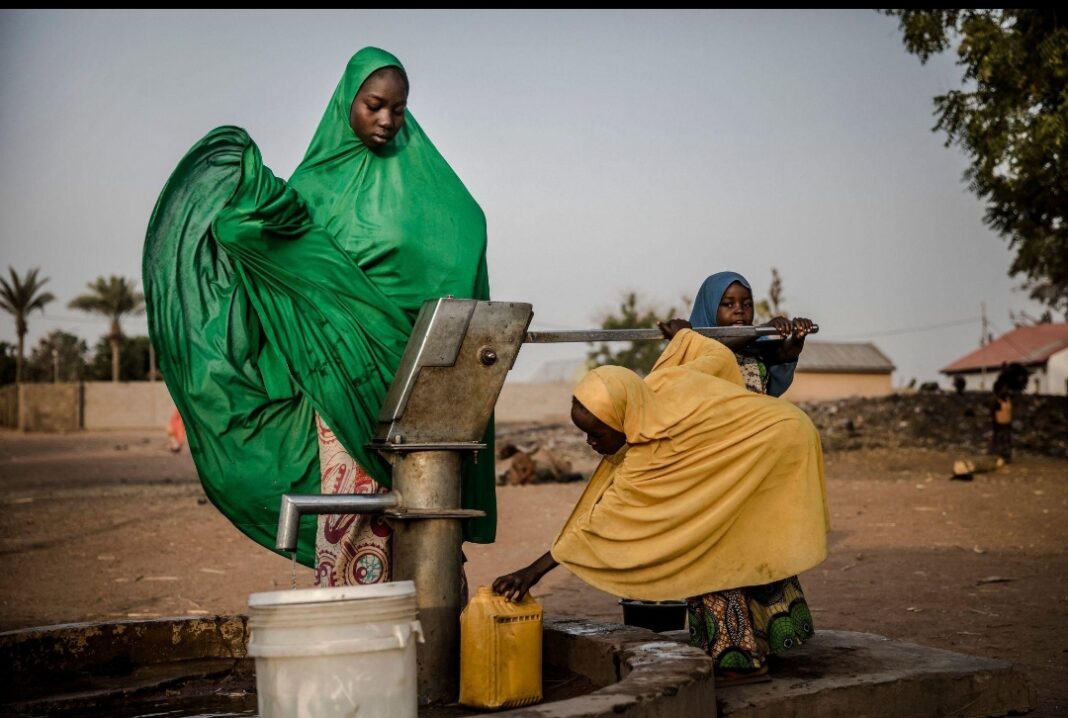
Water security is central to building climate resilience. Unreliable rainfall intensifies competition for water between households, farmers and pastoralists. Meanwhile, excessive rainfall can overwhelm inadequate drainage systems and flood poorly planned settlements.
Practical solutions are already well established but require greater investment and coordination. These include harvesting rainwater where feasible, repairing leaking water systems, improving irrigation efficiency, protecting watersheds and preventing the contamination of rivers and wells.
Mosques, Islamic schools and community associations can also play an important role by communicating NiMet weather warnings in local languages, organising environmental clean-ups and promoting responsible water consumption.
Religious leaders can work alongside agricultural extension officers and emergency response agencies to ensure that guidance is accurate, accessible and relevant to local communities.
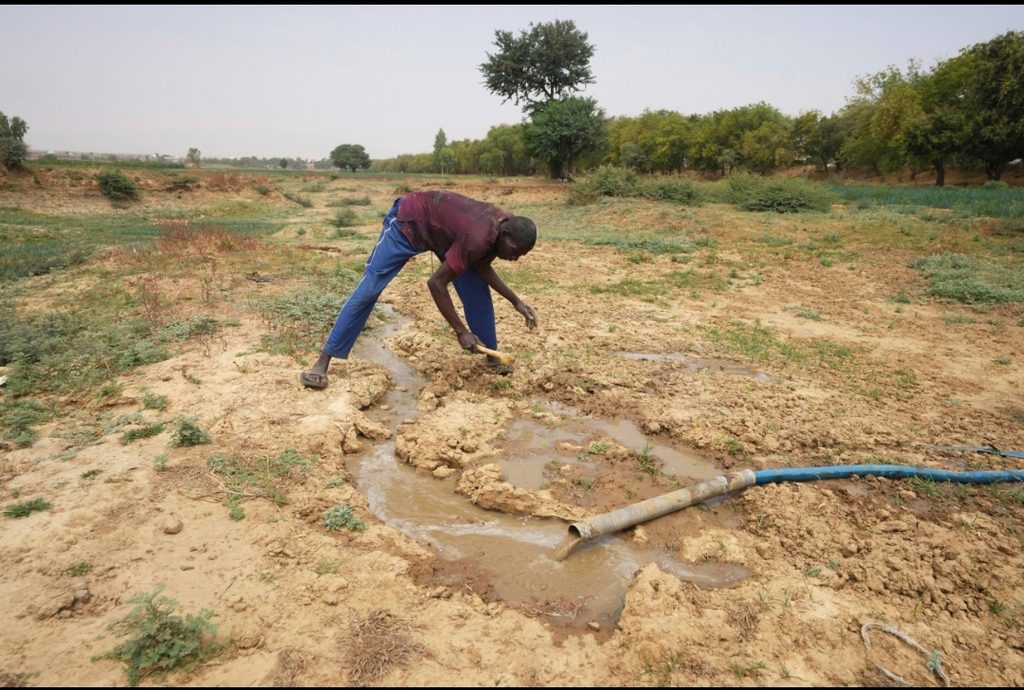
For farmers, preparedness involves selecting suitable crop varieties, adjusting planting schedules according to official forecasts, diversifying crops and improving storage facilities.
For pastoral communities, access to timely information about water availability, grazing conditions and migration routes is equally important.
However, individual responsibility alone is insufficient. Effective adaptation requires sustained investment, institutional coordination and reliable access to information.
Justice is part of preparedness
The consequences of climate-related hardship are not experienced equally.
Wealthier households can purchase water, invest in boreholes or absorb rising food prices. Poor rural families, displaced communities and informal workers often lack these options.
Islamic principles of justice and social solidarity provide a framework for addressing these inequalities.
Zakaah, sadaqah and community welfare initiatives can help provide food, clean water and financial assistance to vulnerable households during periods of hardship.
However, charitable initiatives should complement, rather than replace, the responsibilities of government.
Authorities must strengthen early-warning systems, communicate forecasts in local languages and invest in water infrastructure, drainage, climate-resilient agriculture, public health and emergency response mechanisms.
These measures must be informed by credible local assessments rather than global climate headlines alone.
Crucially, investment and emergency preparedness must reach rural communities, which are often among the last to receive vital information and assistance.
Faith, science and action together
In Islamic thought, trust in Allah is accompanied by taking the necessary practical measures — seeking knowledge, planning ahead, conserving resources and supporting neighbours.
This is responsible stewardship in practice.
Nigeria needs both caution and calm. The strength of El Niño alone will not determine weather conditions in Sokoto, Benue or Bayelsa.
Effective preparedness must be guided by updated WMO assessments, NiMet forecasts and local observations rather than alarmist predictions.
For Muslim communities, environmental protection should be recognised as a shared moral and religious responsibility. For policymakers, that responsibility must translate into evidence-based planning, effective governance and social justice.
Combining scientific knowledge, responsible governance and Islamic principles of environmental stewardship will not stop El Niño.
However, it can strengthen food and water security, protect vulnerable livelihoods and reduce avoidable suffering as climate uncertainty intensifies.