

More than 118,000 people have been displaced by renewed fighting in Yemen, while nearly 3,000 others have fled across the sea to Djibouti as the country’s humanitarian crisis deepens.
The latest wave of displacement follows a major escalation along Yemen’s western coast and in Taiz, where Houthi forces have made rapid territorial gains amid renewed fighting with forces aligned with the internationally recognised government.
The International Organization for Migration (IOM) said 114,498 people were displaced between September 1 and 17 alone, taking the cumulative number displaced since the latest escalation began in June to 118,086.
Taiz has absorbed the largest number of displaced people, hosting more than 67,000, followed by Lahj with more than 30,000. Thousands more have been displaced to Hodeidah, Aden, Abyan, Hadramawt and Marib.
The surge has placed further pressure on humanitarian agencies already struggling with severe funding and access constraints.
More than 22 million people across Yemen — over half the population — are expected to require humanitarian assistance in 2026, according to the United Nations. Around 18.3 million are facing acute food insecurity, while millions remain internally displaced after more than a decade of conflict.
Women and children among most vulnerable
Women and children are among those facing some of the greatest risks as families flee with few belongings and limited access to shelter, food and healthcare.
The United Nations Population Fund (UNFPA) said intensified fighting along Yemen’s western coast and southern Taiz frontlines has disrupted reproductive health and protection services, while insecurity and blocked roads are restricting humanitarian access.
Hundreds of pregnant women among the newly displaced require emergency obstetric and newborn care, according to the agency.
UNFPA said shortages of safe shelter, sanitation and essential supplies are increasing risks for women and girls, while several health facilities and women and girls’ safe spaces in affected areas have been forced to close.
The agency has called for additional funding to expand its humanitarian response as displacement continues to increase.
Yemen is also home to more than 64,000 refugees and asylum seekers, mainly from Somalia and Ethiopia, who face additional risks from the renewed fighting.
Thousands flee across sea to Djibouti
The worsening security situation has also pushed thousands of Yemenis to make the dangerous sea journey to neighbouring Djibouti.
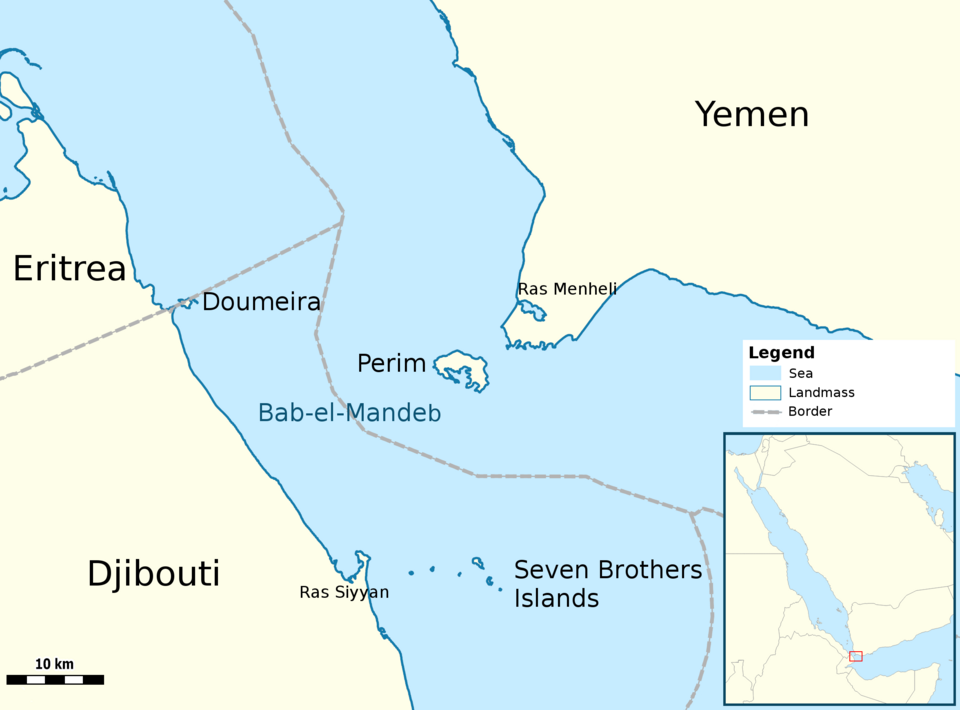
Nearly 3,000 people have crossed from Yemen as the fighting intensified, with many travelling in overcrowded boats across the Bab al-Mandeb Strait.
UNFPA said Djiboutian authorities had registered 2,776 new arrivals in the northern Obock region between September 10 and 16, with women and children making up much of the influx.
Those arrivals alone represented more than nine percent of the resident population of Obock town, raising concerns that local healthcare, sanitation and other essential services could quickly become overwhelmed without additional assistance.
Djibouti already hosts tens of thousands of refugees and asylum seekers, largely from neighbouring Somalia and Ethiopia.
UN agencies are working alongside the Djiboutian authorities to provide emergency shelter, medical assistance and other support to the new arrivals.
Fighting returns after years of relative calm
The latest escalation has shattered the relative calm that followed a UN-brokered truce in 2022.
Houthi forces have advanced rapidly along Yemen’s Red Sea coastline, capturing territory including the strategically important port of Mocha and strengthening their position around the Bab al-Mandeb Strait.
The Iran-aligned group has also carried out attacks against Saudi Arabia, including strikes targeting military and energy infrastructure, while Saudi and Yemeni government forces have responded with air strikes against Houthi positions.
The Bab al-Mandeb Strait is one of the world’s most important maritime chokepoints, linking the Red Sea with the Gulf of Aden and the wider Indian Ocean.
Its strategic importance has increased further amid disruption to shipping through the Strait of Hormuz, placing greater pressure on alternative regional energy and trade routes.
The latest fighting threatens to plunge Yemen back into full-scale war after years in which frontlines remained comparatively stable.
For civilians, however, the immediate impact is already being felt through mass displacement, shrinking humanitarian resources and another wave of families being forced from homes many had only recently begun rebuilding.
With more than 22 million Yemenis already dependent on humanitarian assistance, UN agencies have warned that the renewed conflict is adding another layer of crisis to one of the world’s longest-running humanitarian emergencies.