
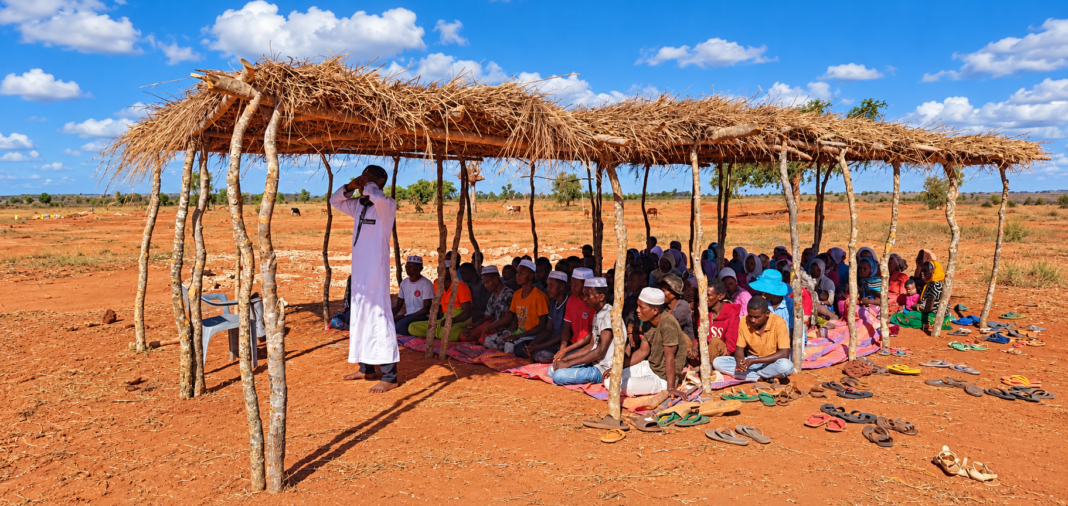

The founder of the Islam and Comparative Religion Academy (ICRA) has unveiled a long-term vision for Islamic da‘wah and community development in Madagascar, aimed at empowering local Muslims to build sustainable institutions and lead their own communities.
Abdur Rahman Abdul Ghani said ICRA’s mission was to move beyond short-term humanitarian relief towards education, economic empowerment and the development of independent Muslim leadership.
“We seek to empower Malagasy Muslims to themselves become bearers of the message of Islam, capable of continuing da‘wah and building their community with knowledge, confidence and independence,” he said.
Abdul Ghani praised ongoing humanitarian initiatives, particularly the work of The Blue Crescent Mauritius, led by Sheikh Ghulam Muhammad.
He highlighted the organisation’s efforts in Ankazomanga-Ouest, alongside local partners including SEED Charity Madagascar, founded by Abdul Fattah Tafaracli, describing the collaboration as “an important model for reaching remote communities where the need is greatest.”
However, he stressed that lasting development required more than emergency assistance.
“We believe that work should not stop at providing food and relief; the hungry person needs food today, but he also needs a means to live by tomorrow. And the child needs help, but before and after that he needs education,” he said.
“And the community needs the masjid, but it also needs teachers, Quran schools, job opportunities, and conscious leadership.”
Building sustainable Muslim communities
Central to ICRA’s vision is transforming mosques into hubs for education, community development and social welfare.
“We want the masjid to be the heart of the community: a place for prayer, Quran, education and da‘wah, and a centre for serving youth, family and social work,” Abdul Ghani explained.
Madagascar, where Christianity and traditional indigenous beliefs are widespread, also presents significant opportunities for Islamic education and comparative religious studies, he said.
“Muslims need knowledge, wisdom and good eloquence, so that they may present Islam with confidence and in a manner befitting the beauty of the message.”
ICRA’s proposed initiatives include training imams, teachers and Islamic preachers, expanding Qur’an and Arabic education, supporting new Muslim converts, empowering women and young people, creating livelihood opportunities and establishing community centres.
A central priority is identifying and nurturing Malagasy Muslim leadership rather than creating communities dependent on external organisations.
“Because the people of Madagascar are the most capable of carrying the message of Islam in their country,” Abdul Ghani said.
A call for the Ummah to support Madagascar
Abdul Ghani urged Muslims worldwide not to overlook Madagascar because of its geographical isolation.
“The geographical distance of Madagascar should not be a reason for the Ummah to be distant from it,” he said.
“From the established Muslim communities on the coasts to the farthest villages, there is someone waiting for knowledge, a child waiting for education, a family in need of help, and hearts that need to know Islam as it is: mercy, knowledge and guidance.”
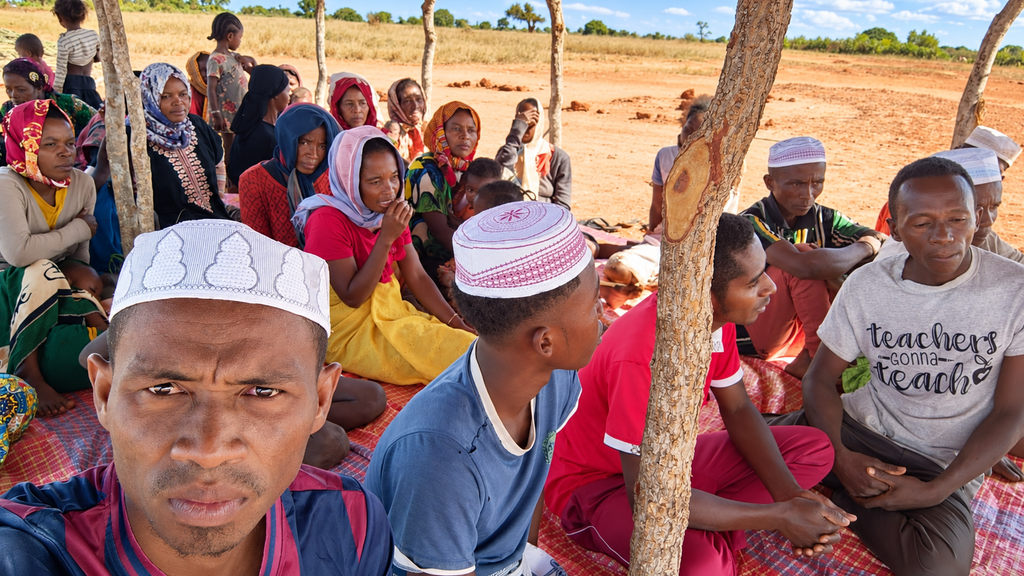
Describing Madagascar as “not just a country on the map” but “an open horizon for da‘wah, service and hope,” he said ICRA hoped to collaborate with Malagasy Muslims and established humanitarian partners, including The Blue Crescent Mauritius and SEED Charity Madagascar.
The ultimate objective, he stressed, was to establish institutions capable of serving future generations without perpetual dependence on outside assistance.
“We do not want transient projects, but lasting institutions; we do not want relief that only treats the pain of today, but development that creates the strength of tomorrow; and most important of all, we want a generation that carries the message of Islam itself and continues its journey,” Abdul Ghani concluded.


