

The summoning of the EU’s representative in Niamey, following Brussels’ remarks on the deployment of Algerian troops in Niger, highlights growing tensions surrounding emerging security partnerships in the Sahel. As the European Union prepares a new security and defence initiative for the region, the controversy raises questions about its strategic interests, particularly in the energy sector, and the future of its relations with Niger’s authorities.
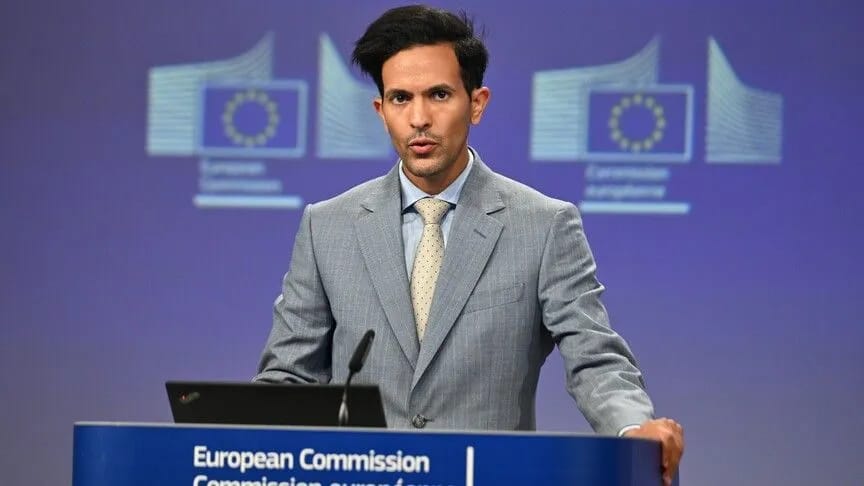
The diplomatic dispute between Niger and the European Union (EU) is taking on a new dimension against the backdrop of shifting security alliances in the Sahel. On 9 November 2026, Nigerien authorities summoned Olai Voima, the chargé d’affaires ad interim of the EU Delegation in Niamey, following remarks by EU spokesperson Anouar El Anouni regarding the deployment of Algerian troops on Nigerien territory. El Anouni said Brussels was closely monitoring the operation and wanted clarification regarding its scope, objectives and legal basis. Niamey described the remarks as “condescending and unacceptable”, arguing that they amounted to interference in the affairs of two sovereign states. Algiers also challenged the EU’s position, stressing that its military cooperation with Niger was governed by a bilateral agreement.
Amid the controversy, Anouar El Anouni clarified on 10 November that the European Union fully respected the sovereignty of both countries and had never intended to demand explanations from them regarding their bilateral commitments. However, the clarification has done little to dispel the questions raised by Brussels’ initial remarks.
The controversy comes as the European Union prepares a new initiative for the Sahel, known as the European Union Security and Defence Initiative in Support of Sahel Countries (EUSDI Sahel). The project, which appeared in EU institutional documents in October 2026, includes a military component and a dedicated funding mechanism. These provisions point to a European effort to establish more structured security engagement in the region.
Jalel Harchaoui, an associate fellow at the Royal United Services Institute (RUSI), argues that Brussels is particularly concerned that Algeria could gradually expand the scope of its military intervention in Niger. According to him, such a development could have implications for several sensitive issues affecting European interests, notably energy security and irregular migration.
For former Algerian diplomat Amar Belani, the European Union’s new initiative would rely on Mauritania and Chad to “regain lost ground” in the Sahel. The initiative would combine counterterrorism efforts, the strengthening of national security capabilities and the management of irregular migration. It would mark a new stage in the reorientation of European policy in West Africa, amid growing tensions with the Alliance of Sahel States (AES).
Niger occupies a particularly important position in this changing geopolitical landscape because of its natural resources, notably uranium, as well as its oil reserves and gas potential. For several decades, the exploitation of Nigerien uranium played a significant role in economic relations between Niamey and European companies, particularly French firms. The breakdown in relations between the Nigerien authorities and the French nuclear group Orano has fundamentally altered this landscape. It has also brought control over mineral resources to the forefront of economic and diplomatic tensions between the two sides.
Some observers of the Sahel crisis interpret Brussels’ reaction to the deployment of Algerian troops in Niger as an attempt by Paris to use European institutions to defend its lost mining interests in the country. However, it would be an overstatement to reduce Europe’s current concerns to the issue of uranium in Niger alone.
Is the dispute with Paris shifting to Brussels?
The controversy with Brussels raises a further question: can the European Union maintain a distinct relationship with the Nigerien authorities despite the tensions inherited from France’s policy in the Sahel? It would nevertheless be misleading to automatically equate Brussels’ position with that of Paris. The European Union has its own institutions, cooperation instruments and strategic interests. France, however, remains an influential player in European policymaking as an EU member state.
The preparation of the EUSDI Sahel initiative therefore comes at a time when the sovereignty of military partnerships has become an increasingly sensitive issue. The initiative could serve as an instrument of this strategic repositioning. Its effectiveness, however, will depend not only on its funding and operational capabilities but also on whether the countries concerned are willing to accept it politically.
For Brussels, the challenge is no longer simply to offer security cooperation. It must also convince partners who have become increasingly wary of any initiative that could be interpreted as undermining their sovereignty.
Ultimately, the current crisis serves as a reminder that, in the Sahel, security, energy resources and power politics are now closely intertwined. Any attempt by external actors to regain strategic influence in the region will have to take into account a regional environment whose balance of power has undergone profound changes.


