
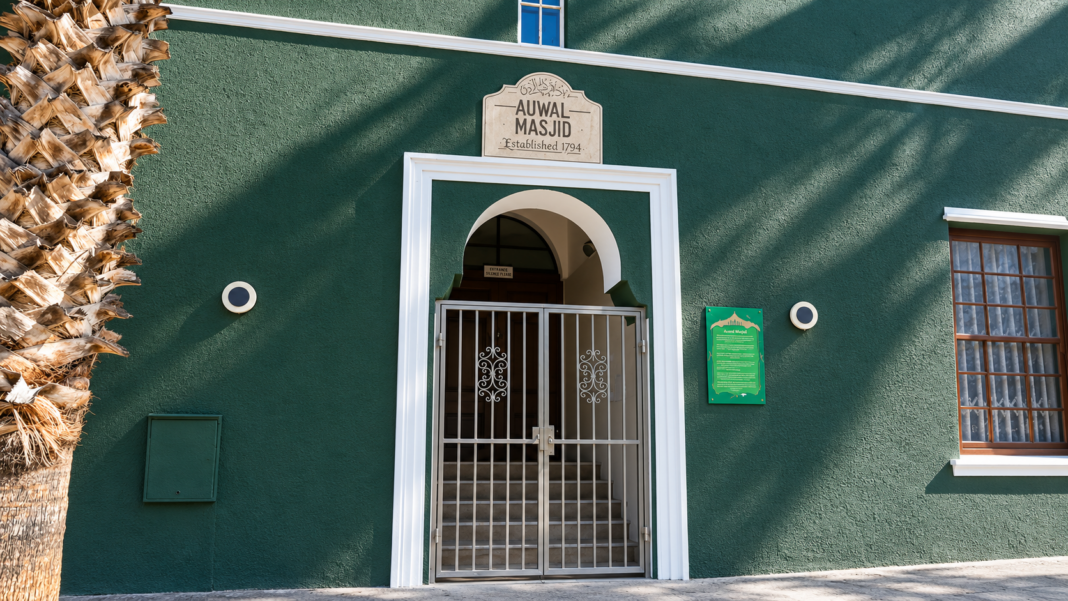

Bo-Kaap has seen a surge in development in recent years, accelerating fears that gentrification could eventually displace the very community whose Islamic, cultural and historical legacy made the neighbourhood internationally recognised.
Veteran Bo-Kaap activist Masturah Adams, 72, says at least 30 percent of the historic Cape Town suburb has already been affected by gentrification, with rising property values and municipal rates placing growing pressure on long-established families.
“It has been noted and said that thirty percent of Bo-Kaap has been affected by gentrification already, but the question is, where do the local people see themselves with all that is happening around us here in Bo-Kaap?” Adams said.
“These foreigners or European gentrifiers come here and buy property from struggling families and then turn it into businesses. They use it as a springboard for the next development, and the next gentrifier comes and buys and does the same thing.”
For Adams, who has been active in Bo-Kaap community struggles for many years, the concern goes far beyond changing property ownership. She fears the gradual erosion of a living Muslim community whose history stretches back generations.
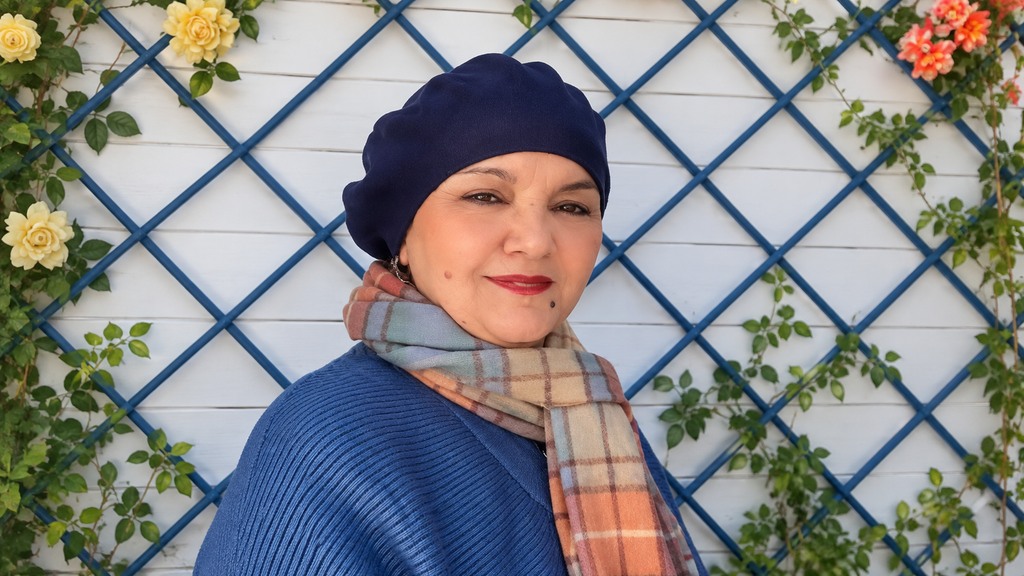
“If we don’t act against this gentrification and hold onto what we have, then 30 years from now, we will all be history that the tour guides will refer to as the Cape Malays of Bo-Kaap,” she said.
“There have been a number of developments which impact the residents. We have to put a stop to further gentrification of Bo-Kaap.”
Bo-Kaap is widely promoted as one of Cape Town’s most distinctive cultural and heritage areas, known for its brightly coloured homes, historic mosques and centuries-old Muslim community.
But behind the postcard image are families struggling to remain in the neighbourhood as property values and living costs rise.
Adams said many Bo-Kaap homes accommodate large extended families, sometimes spanning four or five generations. While the market value of those properties may run into millions of rand, that figure often bears little relation to the financial circumstances of the families living inside them.
“Houses are advertised for four, five or six million rand here, but the people living in these houses are the barefoot millionaires who are battling to pay their rates and cannot survive or make ends meet,” she said.
“Their rates are so high because of the value of houses. When they buy electricity, half of the money gets taken for arrear rates. The struggle is real for our people who were born and bred here and who are the living heritage of Bo-Kaap.”
The result, she said, is a cycle in which families struggling to meet the costs attached to increasingly valuable properties become more vulnerable to offers from wealthier buyers and developers.
“It is foreign developers that come and buy their houses. They stay for a while but can’t adapt and eventually end up selling for more than what they paid, which again pushes the values of property and rates higher,” Adams said.
“Something needs to be done. We have to speak out about this situation because the foreign developers are the only ones able to afford these high prices, and at the rate that things are going, there will be nothing left of our people in Bo-Kaap.”
The pressure has intensified amid a series of developments in and around the historic neighbourhood.
Among those raising concern are a development on Buitengracht Street said to affect the surroundings of South Africa’s oldest mosque, the Auwal Masjid, as well as the Paradigm Hotel on the corner of Buitengracht and Rose streets, the Blok development in Lion Street, and the Dorp Hotel in Ella and Longmarket streets.
For residents such as Adams, the struggle is therefore not simply about property or development. It is about whether the Muslim community that shaped Bo-Kaap over generations will still be able to call it home.
Her warning is stark: if development continues without protecting long-standing residents, Bo-Kaap could remain physically intact as a tourist attraction while the community that gave it its identity slowly disappears.