
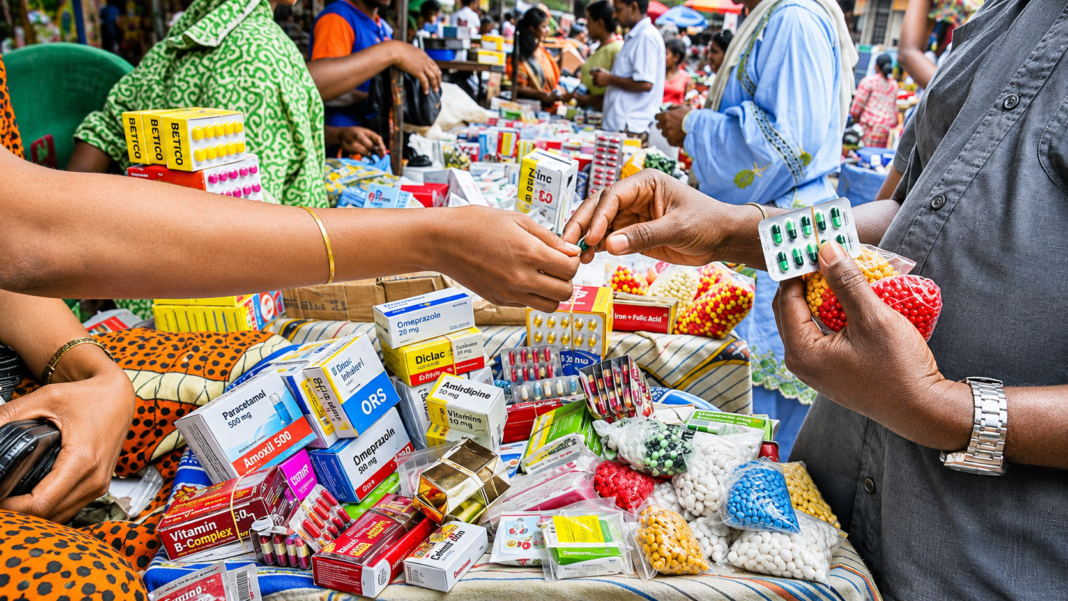

For a mother buying medicine for her sick child, that purchase is an act of trust. In Nigeria, that trust is being betrayed, and Islam calls it what it is: haram.
For a mother whose child is battling an infection, buying medicine is an act of hope. She expects the drugs prescribed by a health worker to ease her child’s pain and restore her health.
Similarly, an elderly person purchasing medication for high blood pressure or diabetes trusts that what they are paying for will help them manage their condition.
But across Nigeria, that trust is increasingly threatened by counterfeit, adulterated and substandard medicines.
For unsuspecting consumers, the consequences can be devastating. Instead of treating an illness, fake medicines may worsen existing conditions, trigger dangerous reactions, damage vital organs or contribute to treatment failure.
Some contain incorrect ingredients, insufficient amounts of active pharmaceutical substances or harmful contaminants, leaving patients exposed to risks they may never suspect.
The danger is particularly serious for children, pregnant women, older people and those living with chronic illnesses. For families already struggling with medical expenses, discovering that money has been spent on ineffective or dangerous medication can mean more hospital bills, prolonged suffering and, in some cases, loss of life.
A threat beyond counterfeit medicines
Nigeria’s National Agency for Food and Drug Administration and Control (NAFDAC) has repeatedly raised concerns about counterfeit, unregistered and substandard products circulating in the country.
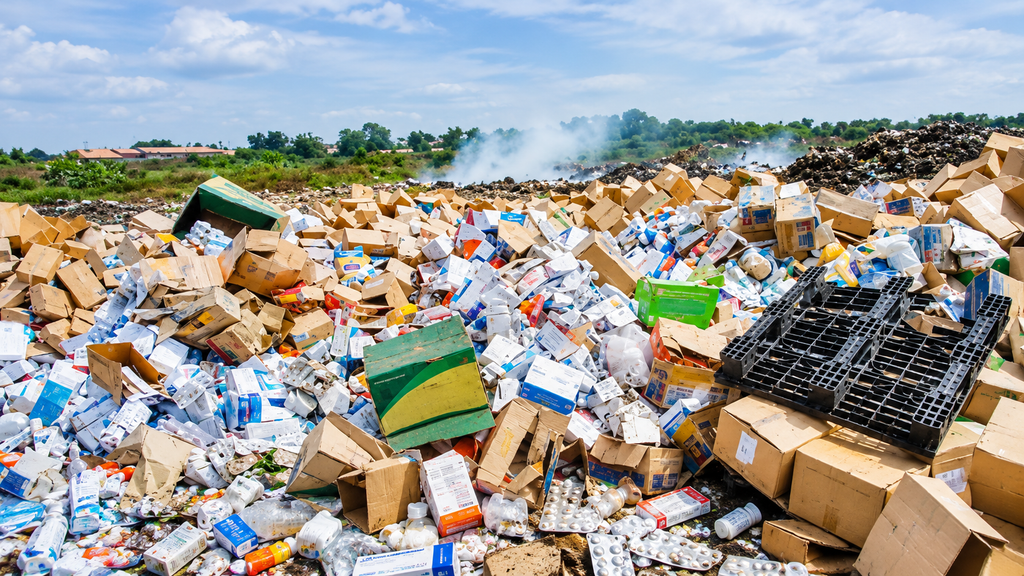
The agency is responsible for regulating medicines, monitoring products, investigating violations and removing dangerous items from the market.
The problem, however, extends beyond medicines. Adulterated foods, contaminated bottled water, unsafe beverages and falsely labelled consumer products also put public health at risk.
In March 2026, NAFDAC issued an alert concerning suspected counterfeit and unregistered Cerelac products in Lagos. Concerns about manipulated expiry dates and possible contamination highlighted the disturbing reality that even products intended for infants are not beyond the reach of commercial fraud.
The growing presence of unverified online sellers, roadside medicine vendors, questionable distribution networks and inadequate monitoring makes it harder for consumers to distinguish genuine products from dangerous imitations.
Islam condemns the exploitation of human life
Beyond the public health implications, the sale of fake medicines raises serious moral and religious questions. Islam places honesty, trustworthiness and the protection of human life at the centre of individual and commercial responsibilities.
The Qur’an warns believers against consuming one another’s wealth unjustly:
“O you who have believed, do not consume one another’s wealth unjustly but only [in] lawful business by mutual consent.” — Surah An-Nisa (4:29)
And it commands fairness in transactions and measurements:
“And give full measure when you measure, and weigh with an even balance. That is the best [way] and best in result.” — Surah Al-Isra (17:35)
These teachings speak directly to manufacturers, importers, distributors and retailers who deliberately misrepresent medicines, falsify expiry dates, dilute products or sell counterfeit drugs using the names of trusted pharmaceutical brands.
In a hadith recorded in Sahih Muslim, Prophet Muhammad (peace be upon him) declared:
“Whoever cheats us is not one of us.”
The warning leaves little room for justification. Selling fake medicines is not simply dishonest business; it is an act that can put another person’s health and life in danger.
Islam also places great importance on the preservation of life — hifz al-nafs, one of the five higher objectives of the Shariah. Making money from the desperation of sick people, therefore, contradicts the moral responsibilities expected of a Muslim.
Religious commitment should be reflected not only in prayers and public expressions of faith, but also in honesty, fairness and consideration for others.
A trader who prays five times a day but sells a mother a fake antibiotic for her child has not separated his business from his deen. He has betrayed it.
The need for stronger enforcement
NAFDAC remains central to Nigeria’s efforts to control counterfeit medicines through product registration, market surveillance, laboratory testing and enforcement operations.
The Standards Organisation of Nigeria (SON) also oversees applicable product standards, including its Mandatory Conformity Assessment Programme (MANCAP) for locally manufactured products. Meanwhile, the Federal Competition and Consumer Protection Commission (FCCPC) addresses consumer rights and misleading commercial practices.
However, occasional raids and public warnings cannot solve a problem sustained by dishonest supply networks. Stronger inspections, effective prosecution, better monitoring of pharmaceutical distribution and sustained public education are essential.
Legitimate pharmaceutical businesses must also take responsibility for protecting their supply chains and reporting suspicious products.
From an Islamic perspective, this is not just good governance. It is amanah — trust. The regulator who looks the other way, the wholesaler who asks no questions and the pharmacist who knowingly stocks a suspicious batch all share in that breach of trust.
How consumers can protect themselves
Consumers should buy medicines from licensed pharmacies and registered healthcare providers rather than unverified roadside vendors or suspicious online sellers.
They should examine packaging, batch numbers, manufacturer details, registration information and expiry dates. Broken seals, spelling errors, unusual packaging and prices that appear too good to be true should raise concerns.
However, appearance alone cannot guarantee authenticity, as counterfeiters can reproduce packaging and registration details. Consumers should use NAFDAC’s official verification channels and seek professional advice whenever they have doubts.
Suspected counterfeit medicines should be reported to the relevant authorities, while anyone experiencing an unexpected reaction after taking medication should seek medical attention promptly.
Protecting lives is a shared responsibility
The fight against fake medicines cannot be left to regulators alone. Government agencies, pharmaceutical companies, healthcare professionals, religious leaders and ordinary consumers all have a role to play.
Muslim scholars can help reinforce the message that honest trade is part of religious responsibility and that deliberately endangering another person’s life for financial gain has no place in Islamic ethics.
Ultimately, the sale of counterfeit medicines represents more than commercial dishonesty. It is haram, a betrayal of the trust people place in those who supply products they depend on to survive.
From an Islamic perspective, wealth gained through deception and the suffering of others cannot be celebrated as legitimate commercial success. Protecting human life, dealing honestly and refusing to exploit the vulnerable are responsibilities that must extend beyond religious declarations into everyday business practices.
For Nigerian families seeking affordable treatment, genuine medicines should never be a matter of luck. They should be able to trust that the drugs they buy are safe, effective and capable of giving them the relief they desperately seek.
That trust is not just a consumer right. In Islam, it is a sacred duty.


