
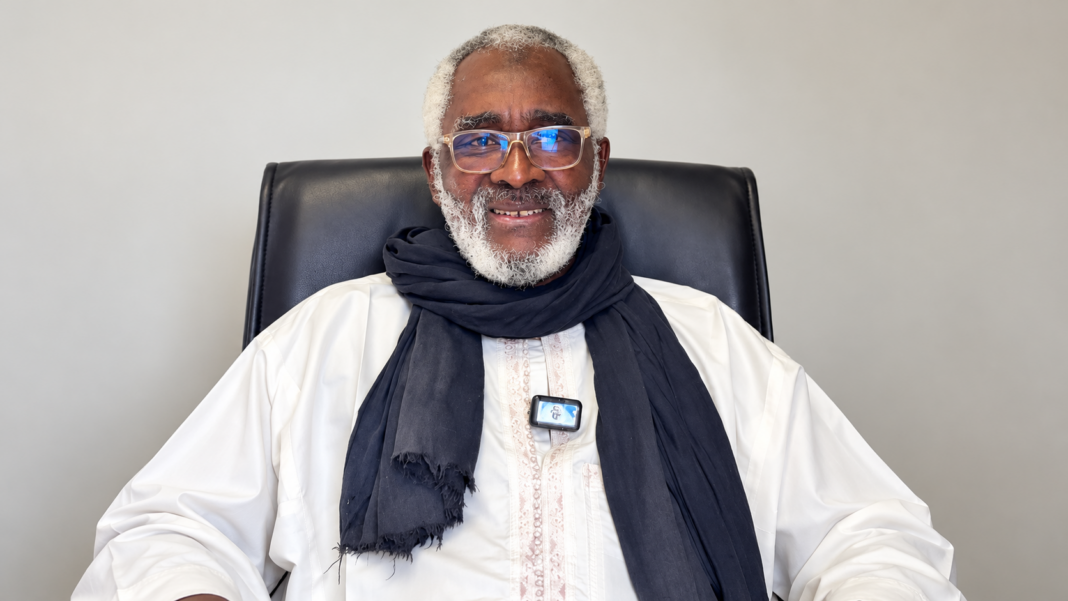

Shaykh Hama Jaiteh says Muslim scholars must protect unity and reject division as The Gambia heads to the polls.
As The Gambia prepares for its presidential election on 5 December, a senior Islamic leader has urged Muslims to protect peace and reject division.
Shaykh Hama Jaiteh, Deputy Assistant Secretary General of the Gambia Supreme Islamic Council (GSIC), made the call during a visit to South Africa in an interview with One Nation Media (ONM). He spoke about the role of scholars in Gambian society, the challenges facing Muslims and what he learnt from South Africans.
A council built around unity
Jaiteh is an executive member of the GSIC and works within its secretariat, assisting with media and humanitarian activities. The council, he said, brings together Muslim communities and protects their religious and social interests.
Earlier generations of Muslim leaders wanted an umbrella body that could unite Muslims even when they disagreed. The Gambia, he noted, predominantly follows a single school of thought — the Maliki school — which has helped maintain cohesion.
Its work extends beyond religion. According to Jaiteh, the council supports Islamic and Arabic education, contributes to national development and helps settle disputes before they grow into wider social problems.
“The council is always there, with that moral power and strength,” he said.
Islam and the election
With the Independent Electoral Commission confirming 5 December 2026 for the presidential vote, attention is turning to the role religious leaders can play in encouraging peaceful participation.
Jaiteh said Islam in The Gambia is generally stable but warned that political competition could create tension. Imams and scholars are using Friday sermons and community gatherings to remind people of their religious responsibilities.
Their message is clear: political differences should never become an excuse for violence, racism, tribalism or insults.
He believes preserving peace is vital because rebuilding society after unrest costs lives and property. Elections, he said, are a normal way to pursue political goals, but the methods must not harm society.
For Jaiteh, Muslim leaders have a moral responsibility to calm tensions rather than deepen them.
That influence comes from everyday life. Religious leaders are called upon during marriages, funerals and other social matters, giving imams a role beyond the mosque. When arguments arise, the council tries to bring people together before disagreements become serious national concerns.
Poverty, education and social media
Beyond politics, Jaiteh identified economic hardship and education as the two biggest challenges facing Gambian Muslims.
Islam, he argued, should not be understood only as rituals but as guidance that can improve lives.
“Religion is a machine, a tool for progress, for development,” he said.
In his view, faith should drive education and economic progress. He said curricula from nursery to university were shaped by those who once dominated the country and failed to teach young people who they are and who created them.
He expressed concern that some people struggle to separate religious teachings from cultural practices.
Social media presents another challenge. Communities often consume powerful messages without controlling the narratives being circulated. He warned that this can shape thinking and distort understanding of Islam and society.
Jaiteh linked these problems to poverty. Better education, greater awareness and the use of available resources, he said, could help communities fight poverty and contribute more meaningfully to national development.
What South Africa taught him
Despite serious challenges back home, Jaiteh was full of praise for South Africa. His visit challenged negative impressions he had formed from media coverage before arriving.
He was particularly impressed by the people he met, their awareness of world affairs and the friendliness he experienced during morning walks.
“People are very friendly,” he said, recalling how strangers greeted him.
He also praised members of the South African Indian community for their education, hard work and openness.
Muslims in the two countries share a faith and many social values, despite differences in development, he said. His visit encouraged him to rethink his own outlook and take lessons back to The Gambia.
His reflections carry a common message: religious leadership should build unity, encourage learning and serve people.
With an election approaching, that responsibility becomes especially important when political disagreements threaten peace.


