
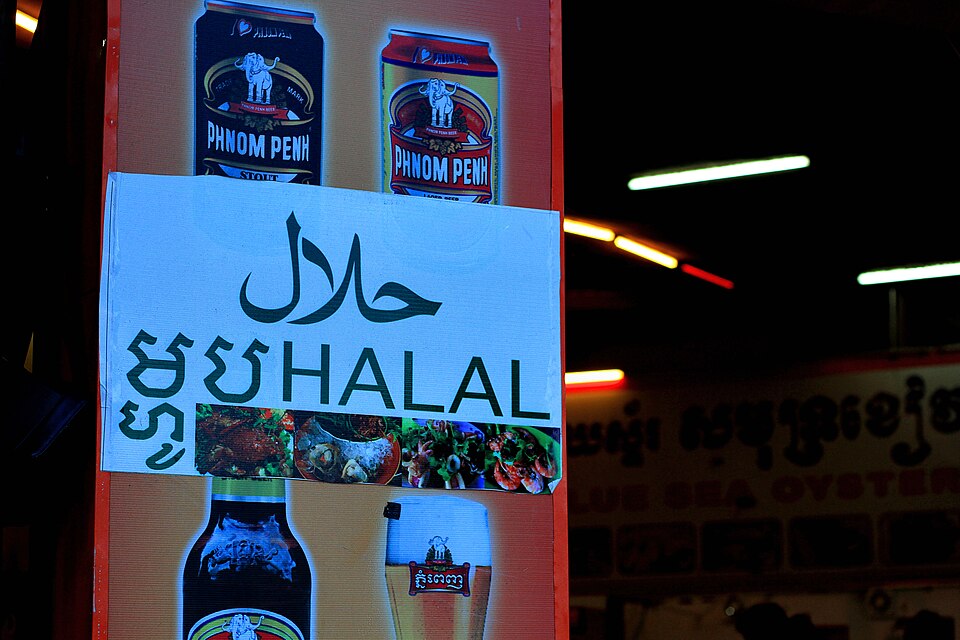

Restaurants across South Africa are increasingly advertising themselves as “halaal-friendly”, but does serving halaal meat guarantee that a meal is permissible for Muslims? Ra’eesah Hassan investigates what the label really means, the risks of cross-contamination and why halaal certification bodies are urging caution.
A restaurant advertises halaal meat, but its menu also offers pork and alcohol. For many Muslim customers, ordering the halaal option might seem like a safe compromise.
But does serving halaal meat make a restaurant halaal?
The term “halaal-friendly” is becoming increasingly common across South Africa. It is not an official certification, but an informal marketing label used by restaurants to broaden their appeal.
Some establishments use it because they source meat from halaal suppliers, even while continuing to serve alcohol, pork or non-halaal meat.
However, being halaal-friendly does not necessarily mean an establishment complies with Islamic dietary requirements.
So, when a Muslim orders halaal meat at a restaurant that also serves prohibited food and alcohol, is that meal actually permissible?
What makes a restaurant halaal?
Moulana Abdul Wahab Wookay, CEO of the National Independent Halaal Trust (NIHT), said halaal certification involves far more than simply sourcing meat from a halaal supplier.
It covers the entire supply chain, including ingredients, transportation, storage, preparation and handling. Certified establishments must also undergo appropriate supervision to ensure halaal standards are consistently maintained.
Wookay explained that some businesses describe themselves as halaal-friendly because they purchase meat from halaal suppliers, while overlooking other ingredients and preparation practices that could compromise a meal’s permissibility.
NIHT, he said, assesses everything supplied to a restaurant before issuing certification.
For certain facilities serving both Muslim and non-Muslim customers, including catering operations and canteens, separate kitchens and Muslim supervision are required.
Why halaal businesses take extra precautions
Mohsin Jassat, a shareholder of Plan B Butcher, Deli and Pantry in Benoni, said businesses selling halaal food have a responsibility to know exactly what they are offering customers.
At Plan B, suppliers are carefully vetted before their products are stocked. The business prefers working with established Muslim suppliers and takes additional steps to investigate smaller businesses and home industries.
This includes meeting suppliers, examining where ingredients originate and checking whether products meet halaal requirements.
Jassat said customers sometimes raise concerns about products previously believed to be halaal, prompting further investigations.
“If you are putting a product on your shelf, you must be confident that you yourself would eat it,” he said.
He also raised concerns about cross-contamination in kitchens where staff use the same equipment or preparation areas for different foods.
At Plan B, staff meals are prepared separately to minimise that risk.
What does Islam say?
The Qur’an instructs Muslims to consume only what is lawful and wholesome.
In Surah Al-Baqarah Allah says: “O humanity! Eat from what is lawful and good on the earth.” (2:168)
The Prophet Muhammad (SAW) also warned against sitting at tables where alcohol is consumed.
Sayyiduna Jabir (RA) narrated that Rasulullah (SAW) said: “And whosoever believes in Allah and the Last Day should not sit at a table where wine/alcohol is being passed around.” (Sunan al-Tirmidhi, Hadith 2801)
This raises religious concerns about dining in establishments where alcohol is served, even if a Muslim does not personally consume it.
However, the ruling on sitting at a table where alcohol is being consumed must be distinguished from the broader question of entering a restaurant that sells alcohol.
Similarly, meat sourced from a halaal supplier does not automatically guarantee that the finished meal remains halaal after preparation and serving.
But what about halaal meat in a non-halaal kitchen?
This is where matters become more complicated.
Wookay warned that Muslims cannot always be certain how food is prepared in restaurants that also serve non-halaal products.
Even meat sourced from halaal suppliers could be cooked using shared utensils, grills or equipment that have come into contact with pork or other prohibited ingredients.
Asked whether separate cooking areas would make such meals permissible, Wookay said this was not necessarily sufficient.
Without proper supervision, he explained, it is difficult to guarantee that utensils and equipment are not transferred between different preparation areas.
Jassat expressed similar concerns.
With numerous halaal-certified establishments available across South Africa, he said he would personally avoid non-halaal restaurants wherever possible.
He advised Muslim customers to consider who operates an establishment, how food is prepared and whether cross-contamination could occur.
So, is halaal-friendly actually permissible?
According to Wookay, NIHT does not recommend that Muslims eat at establishments describing themselves as halaal-friendly.
The label does not provide the same assurance as formal halaal certification, particularly when a restaurant also serves prohibited foods.
Jassat similarly cautioned that advertising an establishment as halaal-friendly does not necessarily mean its food meets Islamic dietary requirements.
However, an important distinction must be made.
NIHT’s recommendation to avoid uncertified restaurants does not automatically mean every meal served at such an establishment is haraam.
The Islamic ruling on a particular meal depends on its ingredients, preparation and whether it has come into contact with prohibited substances. The serving and consumption of alcohol raise separate religious considerations.
Certification provides an additional layer of assurance, while the absence of certification does not, by itself, establish that every meal is impermissible.
Ultimately, “halaal-friendly” is a marketing description, not a guarantee of halaal compliance.
For Muslims deciding where to eat, seeing halaal meat advertised on a menu might offer some reassurance.
But when the same establishment also serves pork and alcohol, a fundamental question remains: can customers really be confident that what is on their plate meets the requirements of their faith?


