

More than 300 people have reportedly been killed in two days of drone strikes blamed on the Sudanese army, including mourners travelling to a funeral and civilians at a busy market, as the country’s devastating civil war enters an increasingly deadly phase.
The attacks on Sunday and Monday have highlighted the growing use of armed drones in Sudan’s conflict, which erupted in April 2023 between the Sudanese Armed Forces (SAF) and the paramilitary Rapid Support Forces (RSF).
According to the Sudan War Observatory, drone strikes in West Kordofan on Sunday evening killed approximately 150 people, including dozens travelling to a funeral. Another 150 people were reportedly injured.
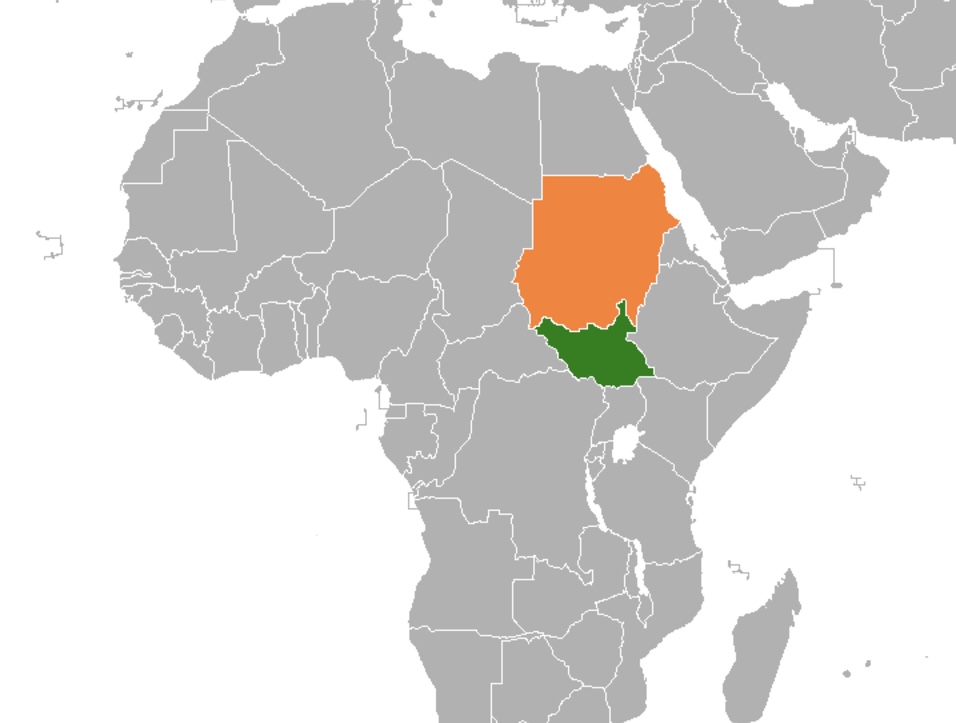
On Monday, a drone strike hit Amiet Market in the disputed, oil-rich Abyei region bordering South Sudan, killing at least 153 people, according to the region’s caretaker information minister, Yohanna Akol Ngor.
The attack struck a fuel depot, triggering a devastating fire. Local authorities blamed the Sudanese army, while a military source confirmed that the army had carried out the strike, claiming the site was being used to supply fuel to the RSF.
South Sudan subsequently summoned Sudan’s ambassador to lodge a formal protest, raising fears that the conflict could further destabilise the disputed border region.
The United Nations has expressed alarm over the continued drone strikes, warning that civilians, including children, are being killed and essential services disrupted.
Kordofan: The new frontline
Fighting has increasingly shifted towards Greater Kordofan, a strategically important region linking RSF-controlled areas of Darfur with Khartoum, which is now under army control.
Rich in gold and oil, the region has become a critical battleground for territory, resources and military supply routes.
The SAF’s 4th Infantry Division recently reported repelling two attacks by a combined RSF and Sudan People’s Liberation Movement-North (SPLM-N) force in the Sali and Al-Baraka areas.
The army claimed to have captured 15 military vehicles and destroyed five others.
The RSF’s alliance with the SPLM-N has widened the conflict, forcing government troops to confront additional fronts, including in Blue Nile state.
Both sides are increasingly deploying armed drones, with foreign military support continuing to fuel the conflict despite international arms restrictions.
A worsening humanitarian catastrophe
Sudan’s war has already killed tens of thousands of people, with some estimates placing the death toll considerably higher.
Around 13 million people have been displaced, making Sudan one of the world’s largest displacement crises, while millions more face acute hunger and the growing threat of famine, particularly in Darfur and Kordofan.
The conflict has evolved from intense ground battles in Khartoum into a geographically wider war involving drones, rival armed groups and competition over resource-rich territories.
With neither side achieving a decisive military victory, civilians continue to bear the devastating consequences of a war that shows little sign of ending.


