

At least 34 migrants and refugees have died after a boat capsized off the coast of northwestern Senegal, with only one survivor rescued and an unknown number of people still missing, according to Senegalese authorities.
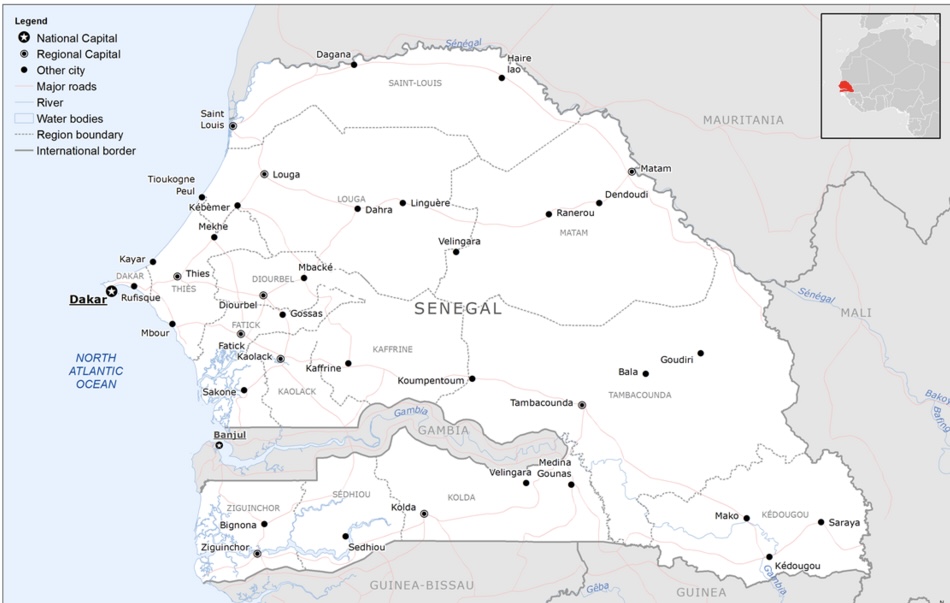
The tragedy occurred off Lompoul, in the Kébémer department of Senegal’s Louga region, between the capital, Dakar, and the northern city of Saint-Louis.
The vessel, a traditional wooden fishing boat known as a pirogue, reportedly capsized on Saturday while carrying people attempting to migrate by sea.
The Senegalese Press Agency (APS), citing official sources, confirmed on Sunday that the death toll had risen to 34 after additional bodies were recovered.
The exact number of passengers aboard the vessel remains unknown, raising concerns that the death toll could increase as search and rescue operations continue.
According to local media reports, many of the victims came from the Léona and Thiéppe areas of Kébémer.
Senegal’s Interior Ministry expressed its condolences to the victims’ families and confirmed that emergency services had been mobilised to search for survivors, recover bodies and assist affected communities.
President Bassirou Diomaye Faye also expressed sorrow over the tragedy, pledging to mobilise state resources to locate those still missing and support grieving families.
The Senegalese government reiterated its commitment to combating human-smuggling networks while improving economic opportunities for young people who might otherwise attempt dangerous sea crossings.
Deadly migration route
The latest tragedy highlights the continuing dangers facing African migrants attempting to reach Europe through the Atlantic Ocean.
The maritime route connecting West African countries, including Senegal, Mauritania and The Gambia, to Spain’s Canary Islands has become one of the world’s deadliest migration corridors.
Many migrants undertake lengthy journeys aboard overcrowded wooden boats, often with limited food, drinking water, navigation equipment or adequate safety provisions.
According to migrant rights organisation Walking Borders, at least 635 people died attempting to reach the Canary Islands during the first five months of 2026.
The crossings are frequently undertaken by people seeking better economic opportunities or escaping poverty, insecurity and difficult living conditions in their home countries.
Canary Islands declare emergency
The Senegalese tragedy comes as authorities on El Hierro, one of Spain’s Canary Islands, declared an emergency on Saturday following a sharp increase in migrant arrivals.
More than 3,300 migrants and refugees have reportedly reached the island aboard approximately 30 boats since the beginning of November, placing considerable pressure on accommodation, healthcare and other essential services.
Local authorities have appealed for additional government assistance as they struggle to accommodate the arrivals.
The growing number of crossings has also raised concerns about the humanitarian consequences of migration routes that continue to claim hundreds of lives.
Despite repeated warnings about the dangers of the Atlantic crossing, migrants continue to undertake the journey, reflecting the wider economic and social pressures driving migration from parts of West Africa towards Europe.


