

Tel Aviv’s escalation with Iran has made the risks of daily life in Israel more immediate and visible, according to an Israeli journalist who previously worked for Haaretz and left the country after October 7, 2023.
“It was never safe,” Asaf Ronel told Anadolu in an interview. “But when you live inside it, you don’t notice.”
He said it was only after leaving Israel for Berlin that he became aware of the constant underlying stress.
“It took me months to understand why I’m so relaxed here,” he said. “I suddenly had hobbies. Because this layer of fear for your life is gone.”
But, he added, that sense of fear builds gradually over time.
“It accumulates. You keep denying it. You keep trying to maintain a facade of normalcy in your life,” he said. “Like everybody does until they’re broken.”
According to Ronel, the situation has deteriorated sharply in recent years.
He described the October 7 attacks as a turning point that exposed deep vulnerabilities in Israel’s security system.
“The level of collapse of the military establishment on October 7 was obvious,” he said.
At the same time, he argued that Israel’s military response has intensified insecurity.
“The more violence they’re using, it’s only creating more danger to them,” he said.
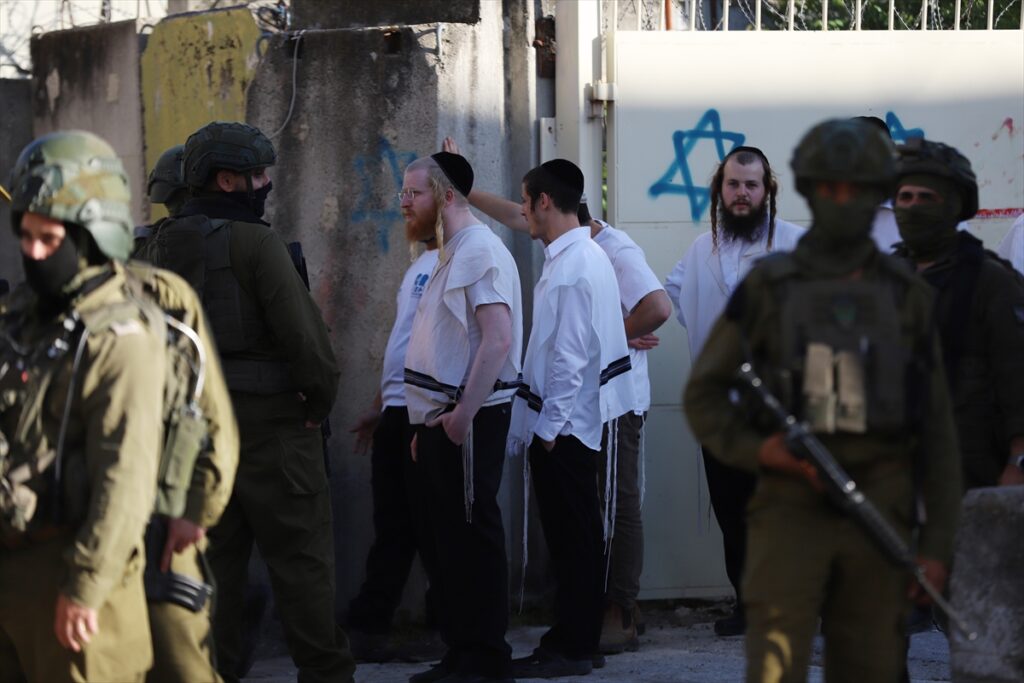
Ronel also criticised the role of the army more broadly, describing it as “functioning as a machine for oppression and violence against Palestinians and surrounding populations”.
Frequent trips to shelters have become routine, he added, though he stressed that Israeli civilians’ experience differs significantly from that of Palestinians.
“Israelis never dealt with anything similar to the daily life of Palestinians around us,” he said.
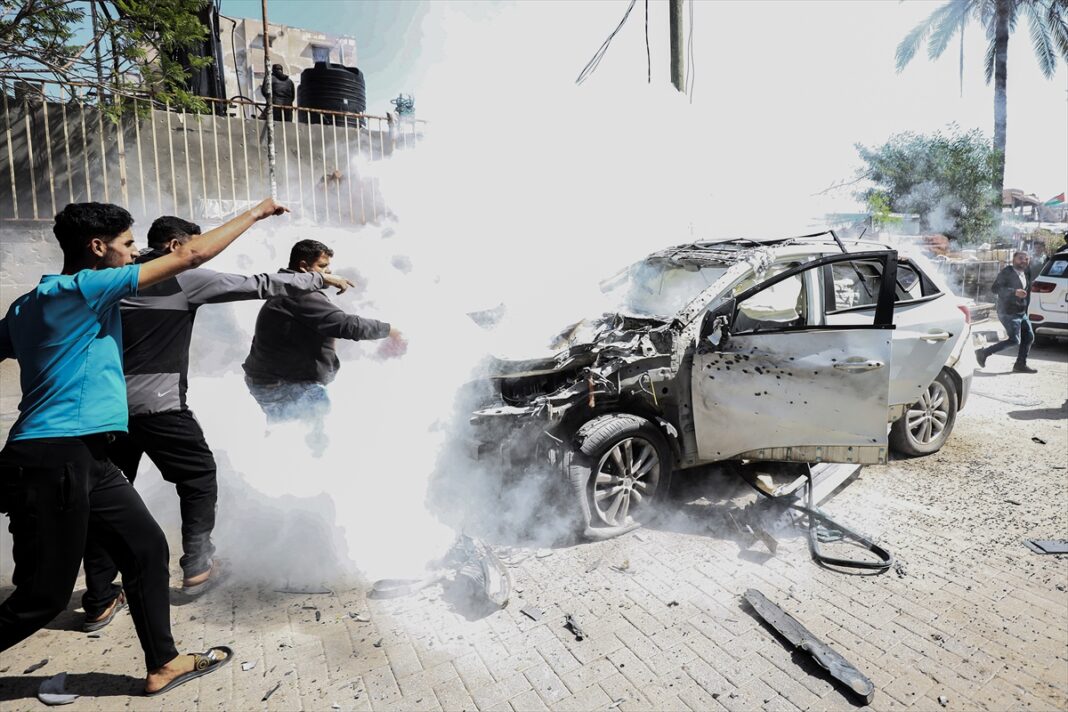
From February 28 until the current ceasefire, Iranian retaliatory strikes hit multiple locations across Israel, targetting military sites, energy infrastructure and other areas, exposing what analysts describe as mounting pressure on the country’s interception systems.
Strikes penetrated Israel’s multi-layered defences in multiple districts, including Tel Aviv, Petah Tikva, Bnei Brak, Holon, Arad, Dimona, Nahariya and Haifa.
Ronel said the scale of these developments is not fully reflected in domestic media coverage.
“Maybe the media should tell them that … there’s also the other side that’s quite sophisticated and capable of hurting them directly,” he said.
According to Ronel, Israeli media has failed to convey these realities, focussing instead on military achievements.
“Israeli media is 99% propaganda, self-propaganda,” Ronel said.
“They’re not even aware that they’re doing it,” he added, describing what he called a “level of denial of reality” that has become institutionalised.
He pointed to reports of a growing shortage of the most sophisticated missile interception systems and the military adjusting its defense priorities accordingly.
“The media is not reporting it,” he said.
Ronel said the current crisis reflects deeper structural problems within Israel that predate the latest escalation.
“It was clear that the country is broken,” he said, pointing to widening gaps in public services, infrastructure and governance.
He also pointed to broader institutional failures, saying basic systems were no longer functioning effectively.
“It didn’t seem like there was anyone who knows how to fix it, at least not in charge,” he said.
He said the events following October 7 reinforced that view.
“And then, a few days later, when the genocide started, it was clear that not only the state is broken, but the society,” he said.
While he said Prime Minister Benjamin Netanyahu should not be seen as the sole cause, he argued that both the government and wider society have moved in the same direction, turning what he described as the “constant state of emergency of the Zionist life” into a condition that has become “much, much more severe.”
Ronel said insecurity is not limited to Israel’s borders, arguing that perceptions of Israeli identity have also shifted internationally.
Saying he had never lived outside Israel for more than a month before October 7, Ronel said he still does not feel safe abroad.
“Because I’m an Israeli, and Israeli identity carries meaning – this meaning now is the meaning of genocide and attempts to destabilize the world economy.”
He predicts that more Israelis will move abroad to “look for ways to live.”
According to recent research conducted by professors at Tel Aviv University, there has been a notable rise in emigration from Israel in recent years.
The research suggests that around 99 000 Israelis left the country in 2023 and 2024, while fewer than 20 000 returned in 2024. More than three-quarters of those who left were under 40.
For Ronel, too, the chances of his family returning are “getting lower and lower.” – AA