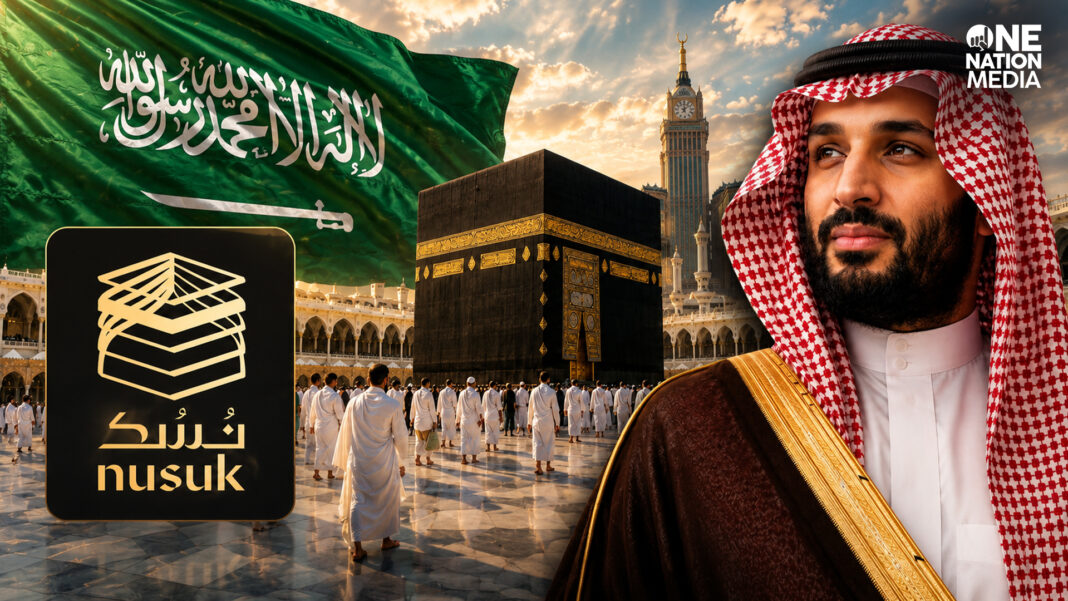

For most Muslims, Hajj is the spiritual journey of a lifetime. It is one of the five pillars of Islam, a sacred obligation tied to sacrifice, humility and equality before Allah. Yet for growing numbers of Muslims across the world, Hajj is becoming financially unreachable, writes Hafiz Sha’ban.
In Britain today, standard Hajj packages often range between £10,000 and £15,000, while premium packages can exceed £20,000. For many working-class Muslim families, that figure now resembles a house deposit more than a pilgrimage. The question Muslims should be asking is not simply why Hajj is expensive, but why the pilgrimage has increasingly been transformed into a high-cost religious tourism industry.
From service to commercialisation
Historically, Muslim rulers viewed service to pilgrims as a religious and political duty. Even before Islam, the Quraysh maintained systems of Rifādah and Siqāyah — feeding and providing water to pilgrims visiting the Kaaba. Under the Islamic caliphates that followed, Hajj infrastructure expanded significantly.
The Umayyads organised major pilgrimage routes and security caravans, while the Abbasids developed the famous Darb Zubaydah route between Iraq and Makkah, complete with wells, reservoirs and rest stations funded through public welfare initiatives. Under the Ottomans, Hajj became one of the most sophisticated state-supported logistical operations in the world. Pilgrims benefited from caravanserais, soup kitchens, water systems, medical assistance and armed escorts funded through the state treasury. The Hejaz Railway, commissioned by Sultan Abdul Hamid II in 1900, dramatically reduced the hardship and dangers of the pilgrimage journey.
Across centuries of Islamic governance, one principle remained largely consistent: pilgrims were treated as honoured guests, not revenue sources. Today, many Muslims feel that philosophy has fundamentally changed.
The rise of “Religious Tourism”
Saudi Arabia’s Vision 2030 programme openly identifies religious tourism as a major sector for economic expansion. Reuters reported in 2022 that Saudi authorities aimed to attract 30 million Umrah pilgrims annually by 2030. The Kingdom’s Public Investment Fund (PIF), which manages hundreds of billions of dollars in assets and sits at the centre of Vision 2030, is heavily involved in infrastructure, transport, hospitality and large-scale development projects across Makkah and Madinah. At the same time, Hajj and Umrah revenues contribute billions annually to the Saudi economy.
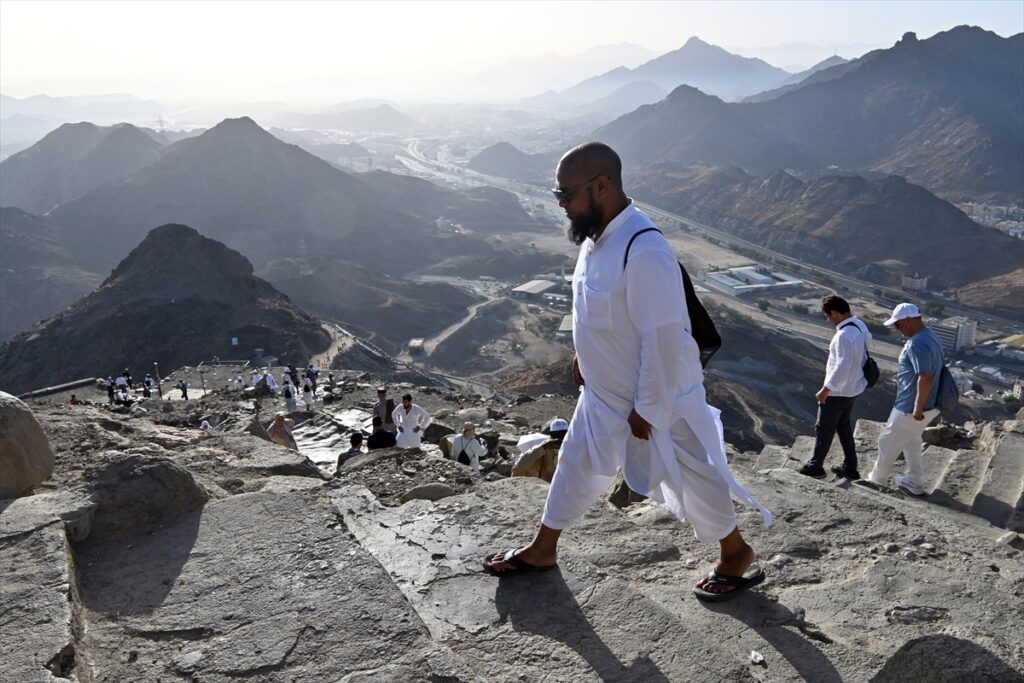
None of this is concealed. Saudi authorities themselves openly frame pilgrimage within broader tourism and economic diversification strategies. The consequences, however, are increasingly visible to ordinary Muslims. Luxury towers now dominate the skyline around the Haram, five-star Hajj experiences are aggressively marketed to wealthier pilgrims, and package pricing has escalated sharply over the past two decades. Meanwhile, ordinary Muslims often spend years, and sometimes decades, saving enough money simply to fulfil a compulsory act of worship.
Why has Hajj become so expensive?
Part of the increase is legitimate. Global inflation, aviation costs, accommodation demand, transport logistics and crowd management for millions of pilgrims naturally require enormous expenditure. However, those factors alone do not fully explain why Hajj costs have risen so dramatically.
One major factor is the highly controlled structure of the modern Hajj system. Pilgrims generally cannot organise Hajj independently, with access regulated through quotas, licensing systems and approved operators. Every stage of the process — flights, accommodation, transport, administration and visas — passes through multiple commercial layers. Saudi Arabia also increased VAT from 5% to 15% in 2020, affecting hotels, services and consumer spending. The result is a pilgrimage system where costs accumulate rapidly across numerous sectors and intermediaries.
The contrast with Umrah is particularly revealing. Outside peak seasons, many Umrah packages from Britain range between £2,000 and £5,000. Pilgrims often use the same airports, hotels and transport systems that exist during Hajj. Yet Hajj pricing rises dramatically because access is tightly restricted through quotas and seasonal limitations, creating intense demand pressure within a controlled market.
Different Muslims, different prices
Another uncomfortable reality is that Hajj pricing differs significantly depending on where pilgrims come from. Pilgrims from wealthier countries such as Britain, the United States and parts of Europe often pay substantially more than pilgrims travelling from parts of Africa or Asia. In many cases, pilgrims use similar accommodation zones and infrastructure.
This has fuelled growing perceptions that Hajj pricing increasingly reflects market-based purchasing power rather than purely operational costs. Whether justified or not, many Muslims now believe the pilgrimage is becoming financially tiered according to class and geography. That perception matters because it cuts directly against the spiritual ethos of Hajj itself.
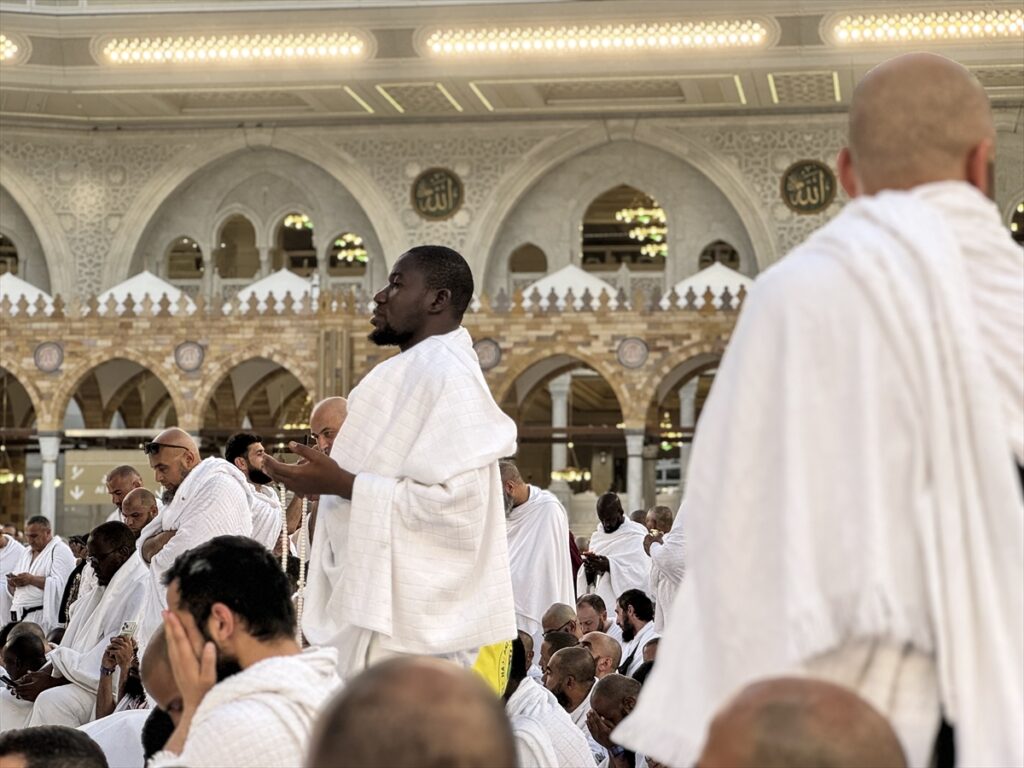
The pilgrimage was designed to dissolve worldly distinctions. Kings and labourers stand side-by-side in the same garments before Allah. Yet modern pilgrimage packages increasingly mirror the inequalities of global capitalism, with premium experiences available for those able to pay significantly more.
Technology, surveillance and control
Saudi authorities have also massively expanded digital management systems around Hajj. Artificial intelligence crowd-monitoring systems, surveillance cameras, smart Hajj cards and integrated digital platforms are now central to modern pilgrimage management. Supporters argue these systems improve safety and crowd control for one of the world’s largest annual gatherings.
Critics, however, point to the broader expansion of surveillance infrastructure and restrictions on dissent inside Saudi Arabia. Human Rights Watch, the US State Department and digital rights organisations have all documented concerns around surveillance and political repression within the Kingdom. For some Muslims, this creates growing unease that the administration of the Haramain is becoming increasingly securitised, centralised and politically controlled.
A sacred trust
The issue is not whether Saudi Arabia should modernise infrastructure or manage crowd safety. With millions attending Hajj annually, large-scale administration is unavoidable. The deeper question is whether the modern pilgrimage model still reflects the Islamic understanding of service to the guests of Allah.
Historically, Muslim rulers derived legitimacy not simply from controlling the holy cities, but from serving pilgrims, easing hardship and protecting access to the sacred. Today, many Muslims feel the balance has shifted too far toward commercialisation, luxury development and revenue generation. This does not mean Hajj should literally be free or that modern logistics carry no cost. However, it does raise legitimate questions about priorities.
Why are luxury developments expanding around the Haram while many ordinary Muslims struggle to afford a once-in-a-lifetime obligation? Why has the language of pilgrimage increasingly merged with the language of tourism markets, investment portfolios and revenue targets?
The Haramain are not ordinary economic assets. They occupy a unique place in the hearts of nearly two billion Muslims worldwide. That is why the growing frustration around Hajj pricing is not simply financial, but spiritual and civilisational. For centuries, Muslims viewed the pilgrimage as a sacred trust that rulers were duty-bound to facilitate and protect. Today, many fear that trust is increasingly being absorbed into the logic of commercial expansion and state-managed tourism.
The challenge facing the Muslim world is not merely how to modernise Hajj, but how to preserve the dignity of the pilgrim in an age where almost everything sacred risks becoming commercialised.
Hafiz Sha’ban is a London-based Khatib who memorised the Qur’an at the age of 15 before pursuing further studies in Arabic, politics and Islamic history. He graduated from Damascus University in 1996, completed a bachelor’s degree at Durham University in 1999, and obtained a Master’s degree from the University of Bradford in 2001. Sha’ban is also a writer, commentator and YouTuber focusing on political and Islamic affairs.