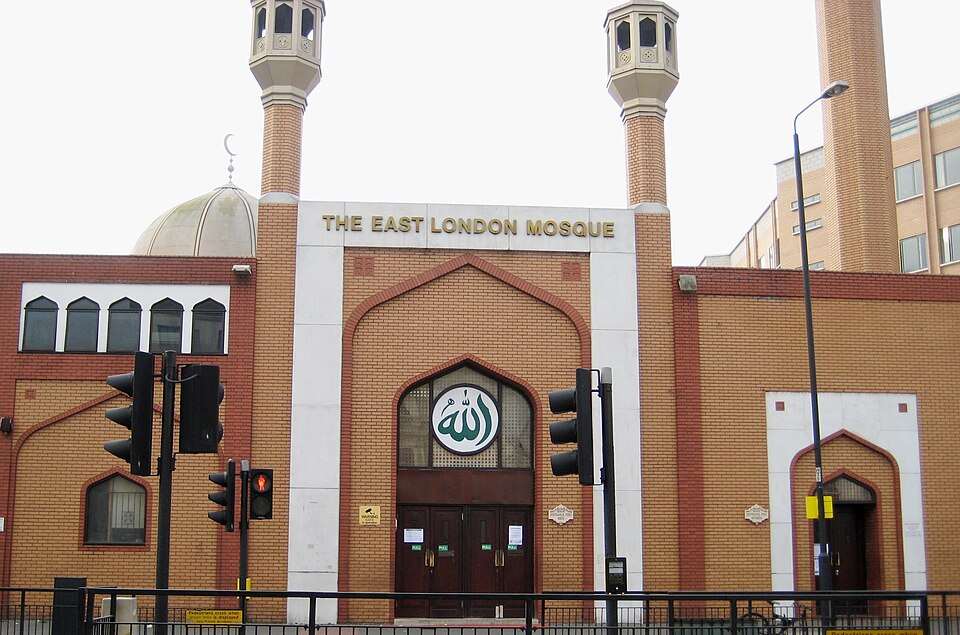

A mosque is attacked in Britain every five days on average, according to new figures documenting a sharp rise in anti-Muslim incidents targeting Islamic places of worship.
The British Muslim Trust (BMT) recorded more than 70 attacks against mosques across the UK over the past year, including intimidation, violence, vandalism, property damage, harassment, anti-Muslim hate speech and online abuse.
The organisation, which works with the government to monitor anti-Muslim hatred, warned that attacks were gaining momentum and called for urgent action to protect Muslim communities.
London, Greater Manchester and the West Midlands recorded the highest number of incidents. Nine separate mosque attacks were documented in London, while one mosque in Birmingham was targeted three times within 12 months.
The figures come amid a broader rise in anti-Muslim hate crime. Home Office data shows that recorded offences targeting Muslims in England and Wales increased by 19% in the year ending March 2025.
BMT chief executive Akeela Ahmed said mosques were facing a steady increase in attacks and urged the government to do more to help Islamic institutions protect worshippers, staff and their premises.
Earlier this year, the government announced that up to £40 million would be made available through the Protective Security for Mosques Scheme.
The funding allows mosques, Muslim faith schools and community centres to apply for measures including CCTV cameras, alarms, fencing and security personnel.
However, the BMT said many mosques had found the application process difficult to navigate, with some waiting as long as 18 months to receive support.
The organisation said there was a significant backlog and that some applications had been rejected without a clear explanation.
Under current Home Office guidance, mosques are expected to provide evidence that they have experienced hate crime, face a particular threat or are located in an area where other places of worship or worshippers have been targeted.
Applications that fail to provide strong evidence or clearly explain the perceived threat are unlikely to succeed.
Ahmed has called for the evidential requirements to be relaxed, arguing that mosques are inherently vulnerable to anti-Muslim attacks because of their religious identity.
She said delays were leaving communities fearful of further attacks, while some lower-level incidents were reportedly not receiving an adequate police response.
The BMT recommended exploring alternative ways of distributing the funding, including devolving responsibility for the scheme to speed up applications and improve access.
The warning follows research by the BMT and British Future which found that one in six Britons believed the growth of the Muslim population posed a fundamental threat to British culture.
The findings have raised concerns that hostility towards Muslims is becoming increasingly normalised across the country.
The Home Office acknowledged that Muslims faced severe levels of religious hate crime and said funding for security at mosques, Muslim schools and community centres had been increased to a record level of up to £40 million for 2026–27.
It added that applications were being processed as quickly as possible.