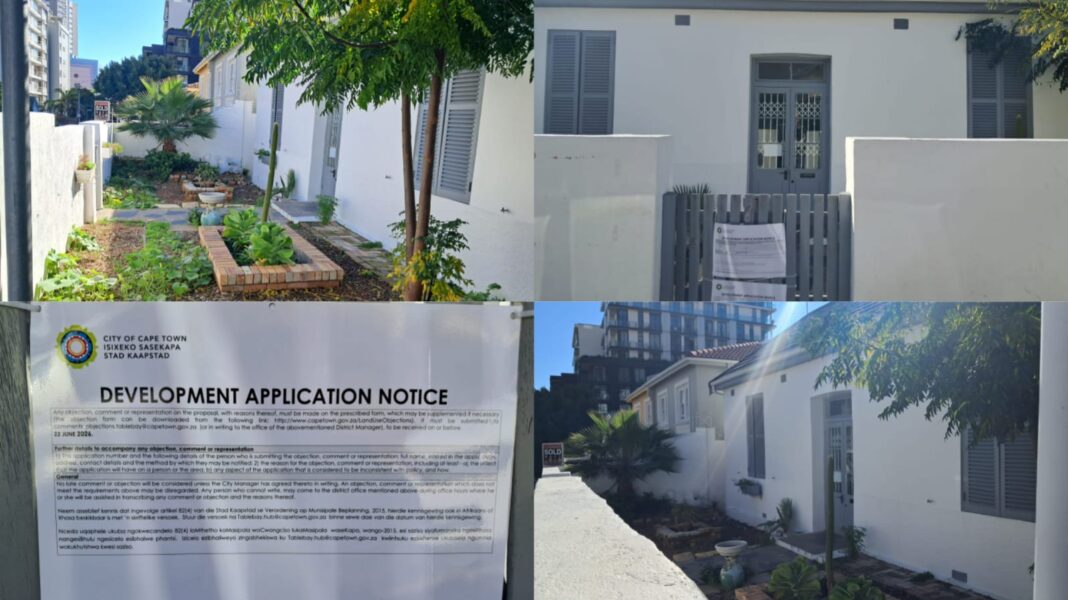

A pilot mosque project in what many regard as the Zionist Jewish enclave of Cape Town’s Atlantic Seaboard appears to have come to an end after years of zoning disputes, council pressure and objections from some residents.
If successful, the Sea Point Salah Khana would have become the first mosque established in the heart of the Atlantic Seaboard since Islam first took root in South Africa more than 300 years ago with the arrival of Sheikh Yusuf of Makassar.
Exiled from present-day Indonesia by Dutch colonial authorities, Sheikh Yusuf and his companions helped lay the foundations of Islam at the Cape, leaving behind a legacy still visible in the hundreds of mosques across Cape Town and the wider Western Cape.
From the historic Auwal Mosque in Bo-Kaap, established in 1794, to mosques across the Boland, West Coast and Karoo, Islam has long maintained a visible presence throughout the region.
Yet despite this rich history, the Atlantic Seaboard, stretching from Sea Point to Hout Bay, has remained without a permanent Muslim place of worship.
That changed in 2021 when a small Salah Khana opened in Sea Point, serving Muslim workers, tourists, residents and visitors in one of Cape Town’s wealthiest coastal districts.
For many worshippers, it was more than a musallah. It became a vital spiritual space in an area where Muslims often had to travel to Bo-Kaap for congregational prayers.
But after five years of operation, the Salah Khana quietly closed its doors at the end of March amid ongoing zoning challenges, land-use restrictions and community objections.