

Iran’s latest counterproposal to a US peace plan calls for compensation from the United States and stresses Tehran’s sovereignty over the Strait of Hormuz, Iranian state broadcaster Press TV reported early Monday.
The report said it also demands an end to sanctions and the release of Iranian assets frozen abroad.
Tehran rejected the US plan because it would have required submission to President Donald Trump’s “excessive demands,” the report said.
Iran’s response also emphasised the “fundamental rights of the Iranian nation.”
Trump said Sunday on his Truth Social platform that he had reviewed Iran’s latest response and described it as “totally unacceptable.”
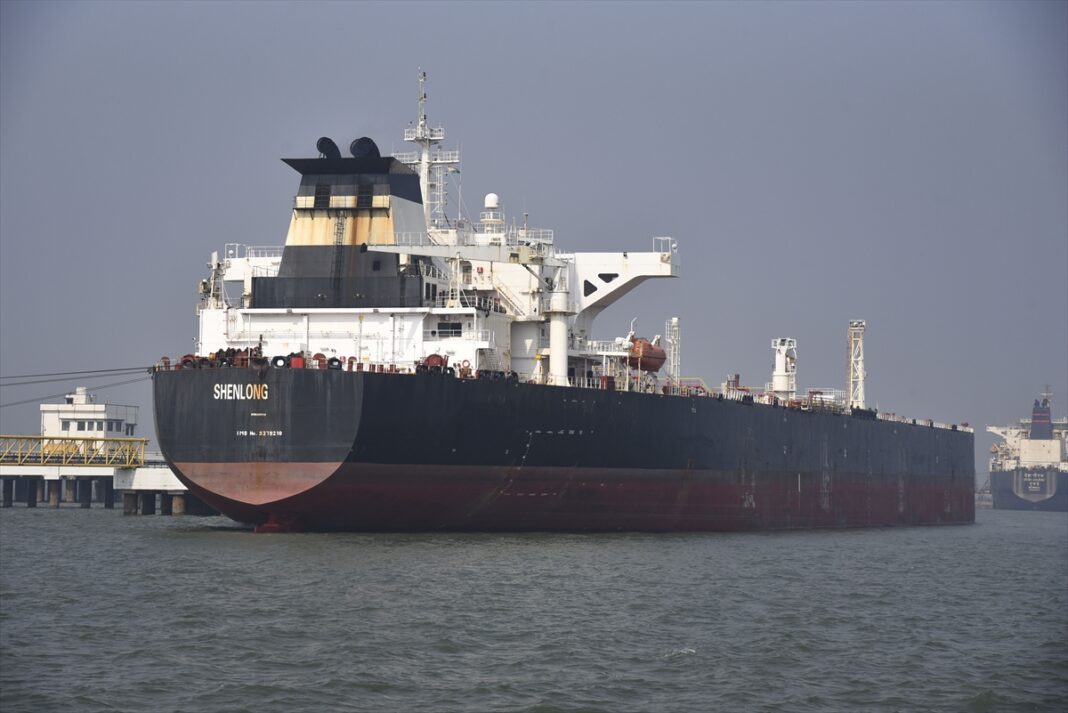
Oil prices surged $3 a barrel on Monday following news of the continued stalemate that leaves the narrow Strait of Hormuz largely closed. Before the war the waterway carried one-fifth of the world’s oil supply and has emerged as one of the central pressure points in the war.
Iran’s official broadcaster IRIB said that the response focuses on ending the war imposed by the US and Israel on all fronts, especially Lebanon, and ensuring shipping security.
At an event in the capital, Pakistani Prime Minister Shehbaz Sharif confirmed that Islamabad had received the proposal.
“Right now, the field marshal informed me that (we) received Iran’s response. I cannot go further into details,” he added, referring to Chief of Defence Forces Asim Munir, reported local broadcaster Geo TV.
Sharif also said Pakistan’s “sincere efforts” for de-escalation continue, Dawn News reported.
In an apparent response to the Iran document on Truth Social, US President lashed out at Iran and Obama over the nuclear negotiations. Indications are that Iran has stuck to its position on nuclear. Trump in his usual style ended his post with a threat against Iran.
Despite a ceasefire between Israel and Lebanon in place since April 17, which was later extended to mid-May, the Israeli army continues to carry out daily strikes in Lebanon and exchange fire with Hezbollah.
Regional tensions have escalated since the US and Israel launched strikes against Iran on Feb. 28, triggering retaliation from Tehran against Israel as well as US allies in the Gulf, along with the closure of the Strait of Hormuz.
A ceasefire took effect on April 8 through Pakistani mediation, but talks in Islamabad failed to produce a lasting agreement. The truce was later extended by US President Donald Trump without a set deadline, giving way to diplomacy for a permanent solution to the war. – AA