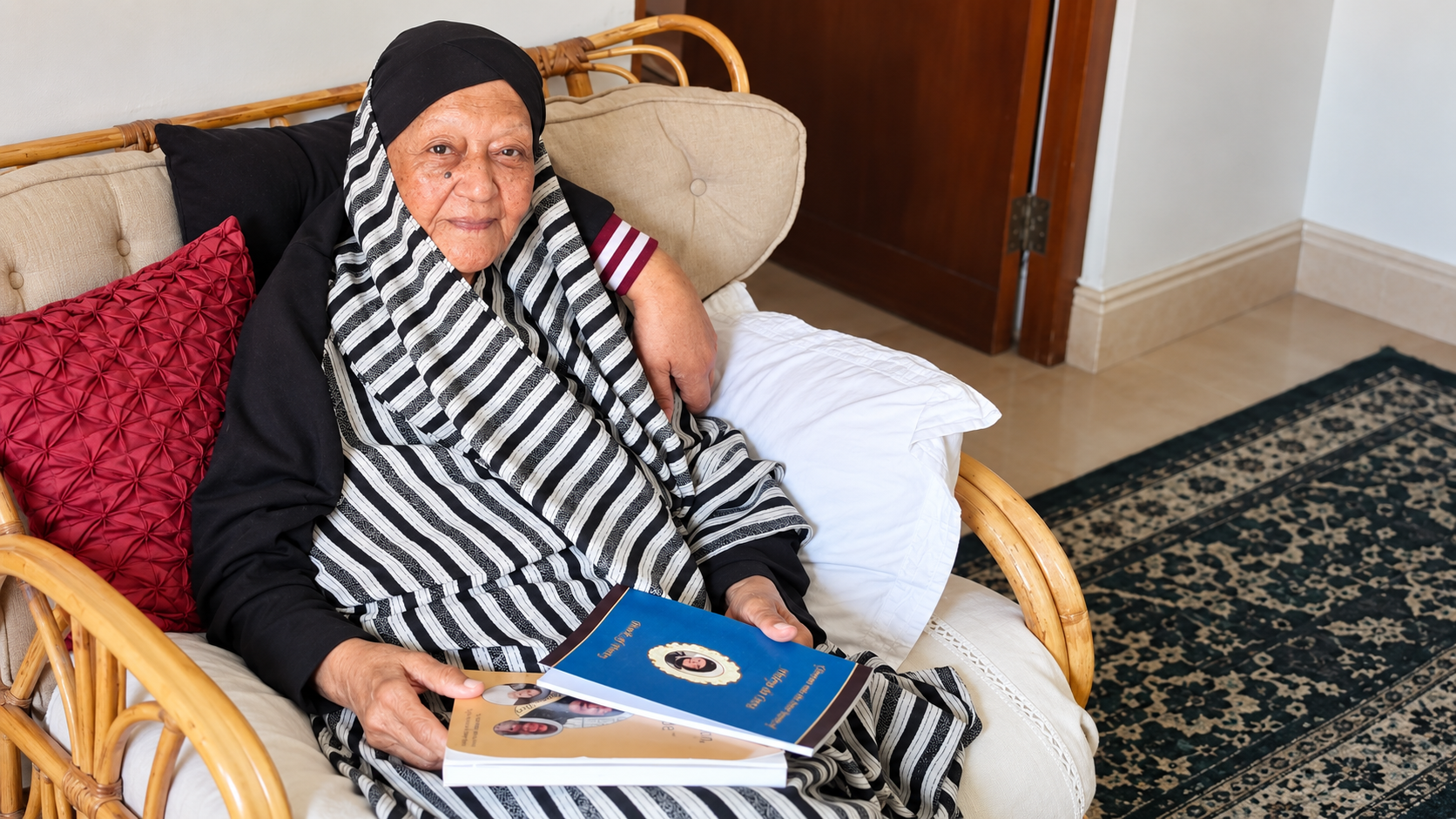

At 100 years old, Abdeyah da Costa is a living link to the earliest history of Islam in South Africa — a descendant of Tuan Guru who still lives just doors from the mosque her ancestor established in Bo-Kaap.
Born in 1925, just doors away from the Auwal Masjid in Bo-Kaap — the first legal place of Islamic worship in the country, established by her great-great-grandfather Tuan Guru — the 100-year-old still lives in the house where she was raised. On 7 December, she will turn 101.
Known to many across Cape Town as the Mother of Bo-Kaap, Aunty Abdeyah is a fifth-generation descendant of Tuan Guru through her mother’s side. She never had children of her own due to complications, but the title came anyway — earned through a lifetime of loving, caring and being there for others.
Energetic and fiercely independent, with a formidable memory, she remains a towering figure in her family and wider community, where she is held in deep regard. She is known for three things in particular: her love of fashion, her unwavering faith and her unyielding fortitude.
Her lineage traces back to Imam Abdullah ibn Kadi Abdus Salaam, an 18th-century prince from Tidore in the Indonesian archipelago. An adviser to the Sultan, he was accused by the Dutch East India Company of conspiring with the English and exiled to the Cape as a state prisoner.
He arrived in 1780 at the age of 68 and was imprisoned on Robben Island, where he famously wrote the entire Qur’an from memory. Released in 1793, he established South Africa’s first madrasah in Dorp Street in Bo-Kaap and converted it into the Auwal Masjid in 1795.
He taught enslaved people, promoted literacy through Arabic-Afrikaans texts and helped unite the early Cape Muslim community before his death in 1807 at the age of 95.
Abdeyah da Costa, née Isaacs, grew up in that same historical and spiritual legacy. Her parents, Mogamat Geyer and Jawayer Shahibo, raised six children in the family home, which also served as a space for Islamic education and worship.
She married Sulieman da Costa in 1955, a man deeply committed to spiritual and educational work. Together, they continued the Islamic work of her parents and ancestors, first from their home and later from another premises in the area, where they ran a madrasah.
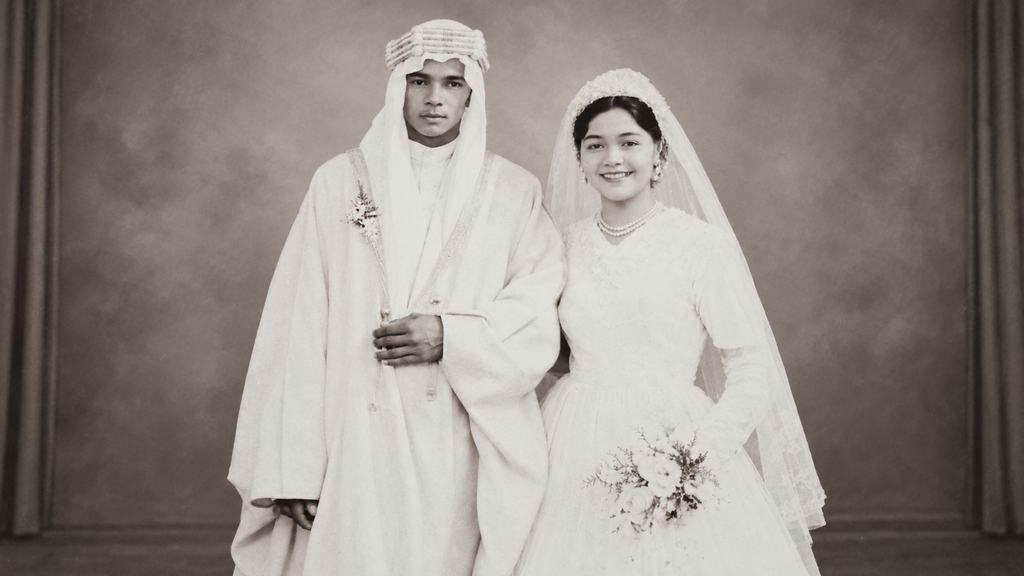
Their marriage was known as a partnership built on mutual respect. She became a widow in 2000.
Now, her wish is for that home to outlive her.
“This must be heritage, it will never be sold, it must be made wakaf and it must be Islamically orientated,” she said in an interview.
“People have already come here to offer millions to me for the house but I told them it is not on and it is not up for discussion. It must be called Beitul Suldeyah, for Sulieman and Abdeyah, and it must hold some of its original features like the doors and the memory of us must be preserved. It will be donated to wakaf.”
The family name has always carried weight in Bo-Kaap.
“There has always been big respect from the community knowing that the family is descendants of Tuan Guru,” said her nephew Ashiek Manie.
“They also knew her mother and father who were figures in the community for their Islamic involvements and teachings. Their granny, who was a granddaughter of Tuan Guru, was also very spiritual and respected for that by the community. They were involved with the Deen.”
Also known as Hadji Abdeyah, she is a go-getter in the truest sense. She has travelled extensively, speaks four languages fluently — Arabic, English, Afrikaans and German — and spent six months in Makkah.
She has a deep love for Shakespeare and poetry and recites from her own book, Glimpses into the Inner Journey of Abdeyah da Costa. Another book, Faith, Fashion and Fortitude, written by her nephews, tells the story of her life.
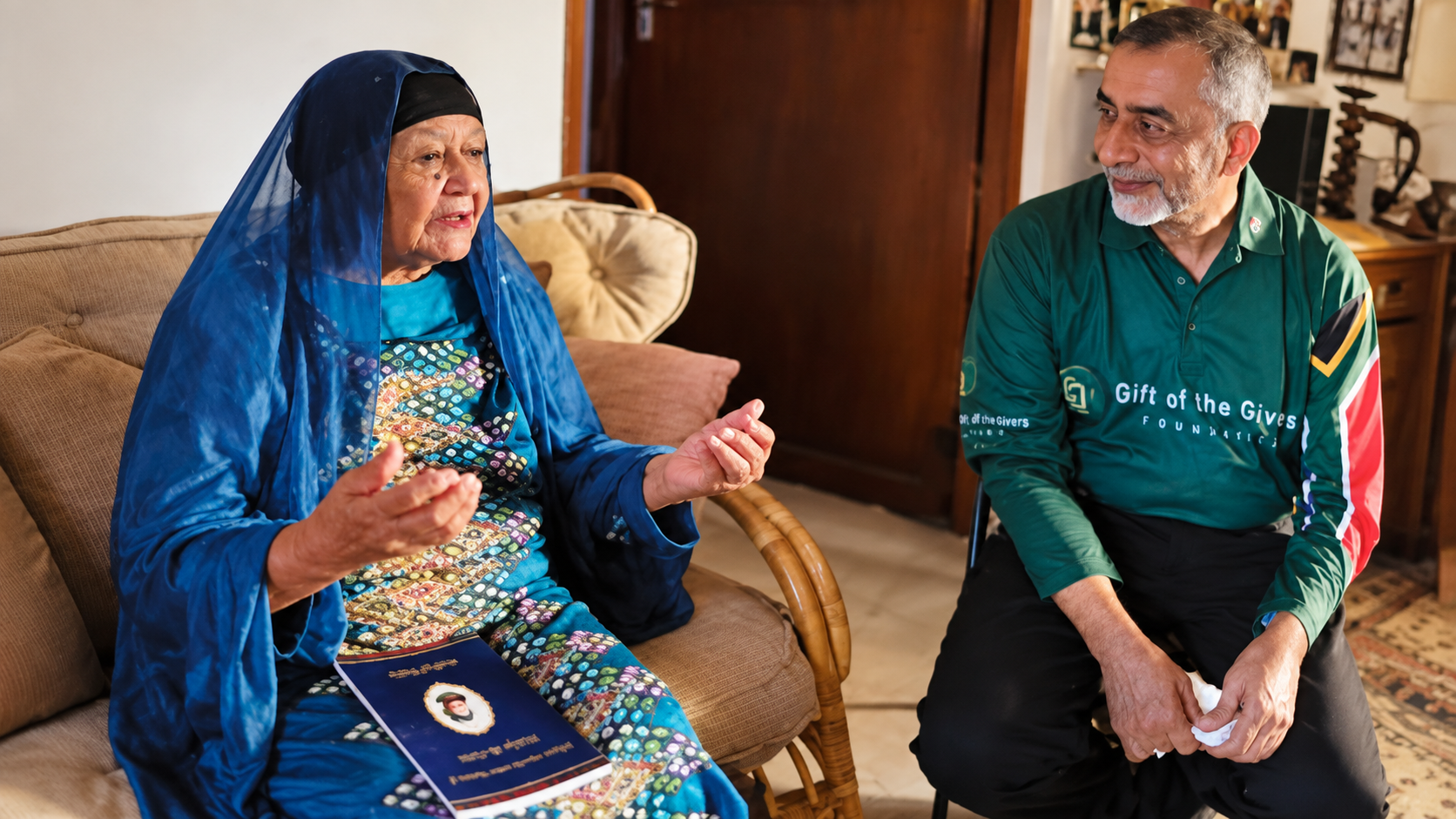
Her love for fashion began with her sister, who was a dressmaker. After her first job at Supertex, Abdeyah went on to establish six successful clothing boutiques in malls across Cape Town.
Beyond business, she has been active in civic organisations and Islamic initiatives, and recently joined a community protest in Bo-Kaap against new developments. She is also known for her contributions and donations to schools and old age homes.
In her prime, she shared platforms with prominent figures. Today, they come to visit her at home.
She is the only person in her family to reach 100. Her sister Zainab lived to 95, while her mother lived into her 80s.
And after a century of doing, giving and serving, she still wants to do more.
“The only thing that I still want to do in my life is to make Sadaqah,” the smiling centenarian said.