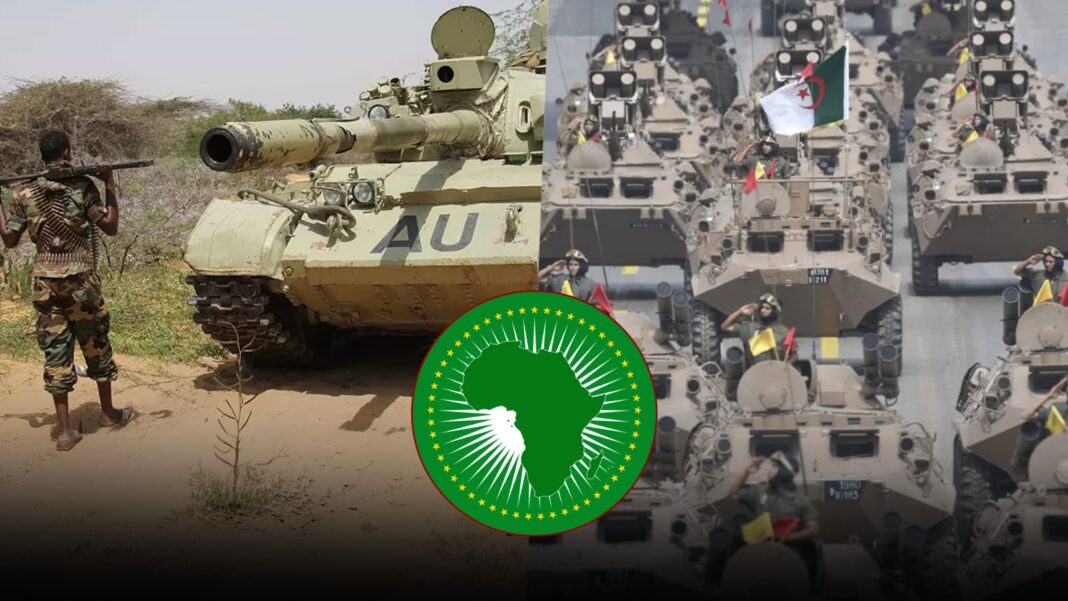

The African Union was created to defend African sovereignty, yet in practice it often finds itself navigating and, at times, accommodating the very forces that shape and constrain the continent’s prosperity, writes Neelam Rahim.
Established in 2002 as the successor to the Organisation of African Unity, the African Union (AU) was built on a clear premise: African problems require African solutions. With 55 member states across the continent, it positioned itself as the central body for unity, conflict resolution and collective security. More than two decades on, however, a harder question has emerged: is the AU acting as an independent force for stability, or as a constrained institution operating within a wider system of global security management?
On paper, the AU’s mandate is expansive. It promotes sovereignty, territorial integrity and political coordination, while leading peacekeeping missions and regional security initiatives. Its Peace and Security Council and the African Standby Force (ASF) are designed to respond rapidly to crises and maintain order across volatile regions.
Yet the gap between principle and practice is not incidental; it is structural. The AU depends heavily on its member states for funding, troops and political backing, and many of these states are themselves fragile, internally contested or implicated in the very conflicts the AU is tasked with addressing. This dependence limits the organisation’s ability to act decisively or independently, particularly when member governments are part of the problem. In such a system, enforcement becomes selective and sovereignty, in practice, becomes compromised.
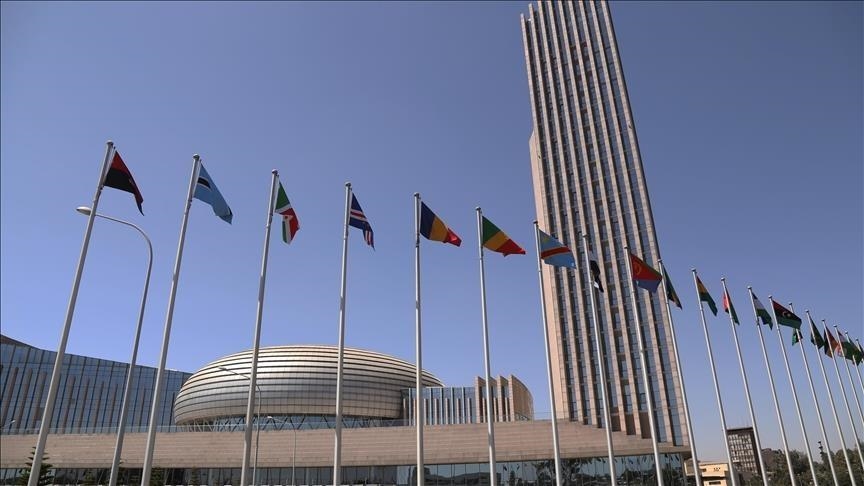
Security frameworks in Muslim regions
Nowhere is this tension more visible than in regions with significant Muslim populations. From the Lake Chad Basin to the Horn of Africa, AU-backed security frameworks have been deeply embedded in counterterrorism operations.
Partnerships with external actors, including the Organisation of Islamic Cooperation (OIC) and Western-led coalitions, have brought funding, coordination and strategic alignment. The AU’s 2015 agreement with the OIC, for example, aimed to strengthen governance and address the root causes of “Islamist extremism” through institutional development. But these frameworks also reflect a broader shift: security challenges in Muslim-majority or Muslim-populated regions are increasingly framed through a global counterterrorism lens that prioritises containment, surveillance and militarisation. The result is a pattern in which instability is managed, but not necessarily resolved.
The AU’s record in conflict zones illustrates both its ambition and its limitations. In Sudan, the African Union Mission in Sudan (AMIS), deployed during the Darfur conflict in 2004, was a landmark attempt at African-led peacekeeping. Yet despite expanding to thousands of troops, the mission struggled to contain violence and was eventually absorbed into a joint UN-AU operation, exposing critical weaknesses in logistics, coordination and funding that continue to affect AU missions today.
Similarly, in Somalia, AU-backed forces have been central to counterterrorism efforts for over a decade. While these operations have achieved tactical gains against armed Al Shabab, they have also relied heavily on militarised strategies with limited long-term stability. In both cases, the AU’s presence has not fundamentally altered the trajectory of conflict; it has barely contained it and is far from resolving it.
Accountability and contradictions
The ASF was conceived as a rapid-response mechanism capable of addressing crises across the continent and, in theory, represents one of the AU’s most significant steps towards operational independence. In practice, however, its effectiveness is shaped by fragmented command structures, uneven capacity among regional components and limited oversight in complex conflict environments.
Where accountability mechanisms are weak, the risks are clear. Allegations of abuses by armed actors in AU-linked operations, particularly in volatile theatres such as Sudan and Somalia, highlight the dangers of deploying force without consistent enforcement of standards. For civilian populations, including many vulnerable Muslim communities in conflict zones, the presence of security forces rarely translates into protection.
The AU’s growing engagement with global security frameworks further complicates its position. Cooperation with initiatives such as the Global Coalition against ISIS, including participation in the Africa Focus Group established in 2021, reflects an effort to strengthen capacity and coordinate responses.
But these partnerships are not neutral. They embed African security priorities within broader Western agendas, where the objectives of external powers do not always align with local realities. In this context, the AU risks becoming an intermediary, implementing strategies shaped beyond the continent rather than defining them. This dynamic is not always imposed, but often accepted out of necessity, driven by funding constraints, security pressures and the need for international support.
The AU’s political positions often reflect its founding principles. It has condemned territorial violations in the Democratic Republic of Congo (DRC) and called for the protection of sovereignty, while regional mechanisms supported by states such as South Africa have sought to coordinate responses and stabilise affected areas.
Yet the persistence of conflict in eastern Congo underscores a recurring pattern: diplomatic commitments are not matched by enforcement on the ground. This gap is not simply a failure of intent, but reflects the limits of an institution operating within a system where power, resources and decision-making are unevenly distributed.
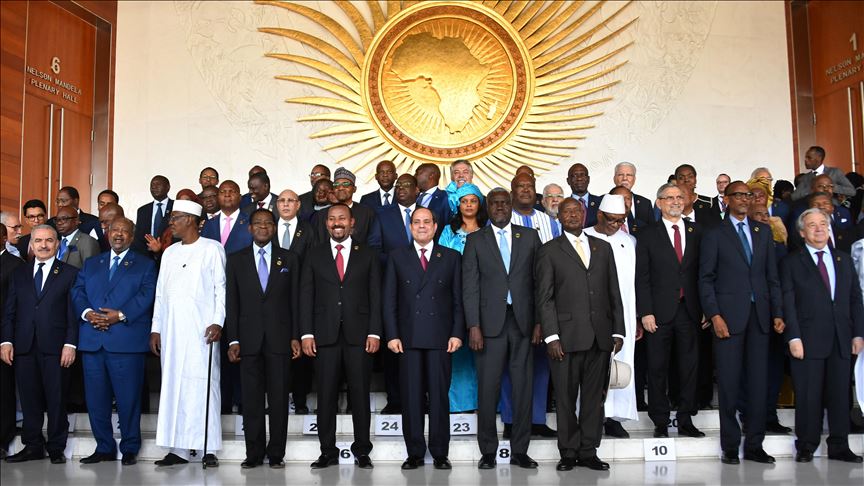
Muslims of Africa
For Muslim communities across Africa, the AU’s role is particularly complex. In regions where counterterrorism dominates security policy, its frameworks intersect with broader patterns of surveillance, militarisation and, at times, collective suspicion.
While the AU has acknowledged the need for governance, development and institutional reform, its operational reality often leans towards security-first responses shaped by external priorities. This creates an uneasy balance: on one hand, the AU represents an attempt at African-led solutions; on the other, it operates within constraints that limit its independence and effectiveness.
The AU is not irrelevant, nor is it inherently malign. It is arguably a necessary institution, for now, in a continent facing complex and overlapping crises. But necessity does not equate to effectiveness, and intention does not guarantee outcome.
The more pressing question is structural: can the AU act as a true guardian of African sovereignty, or is it increasingly positioned as a manager of instability within a global security framework shaped by Western powers? Until that question is resolved, its role will remain defined not only by what it seeks to achieve, but by the limits imposed on what it can actually do.