
Soweto is no longer the “South Western Township” that the world saw in 1976. But whether it is truly a better place today is far less clear.
Fifty years ago, its streets flowed with the blood of schoolchildren who rose up against an apartheid education system designed to limit their futures.
Today, those same streets attract tourists, preserve stories of resistance and reflect a township that has, in many ways, rebuilt itself. But between the memory of Hector Pieterson and the realities of modern-day Soweto lies an uncomfortable truth: progress exists, but so do deep and persistent inequalities.
The 1976 uprising
The uprising of June 16, 1976, did not begin with violence, but with policy.
The apartheid regime’s Afrikaans Medium Decree forced black students to learn key subjects in Afrikaans, a language widely rejected as the “language of the oppressor.”
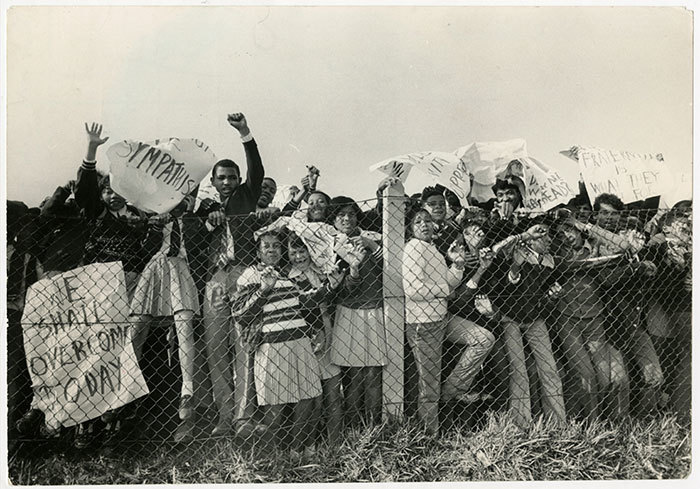
What followed was the mass mobilisation of schoolchildren, organised through student structures, who marched in their thousands demanding equal education.
That day, between 10,000 and 20,000 students took to the streets.
Police responded with tear gas and live ammunition.
Hector Pieterson, just 13 years old, became one of the first to be killed. By the end of the uprising, hundreds were dead and thousands injured, although the true number remains disputed.
The image of Hector Pieterson’s lifeless body travelled across the world, turning Soweto into a global symbol of resistance and exposing the brutality of apartheid.
Today, however, Soweto tells a far more layered story.
Islam in Soweto
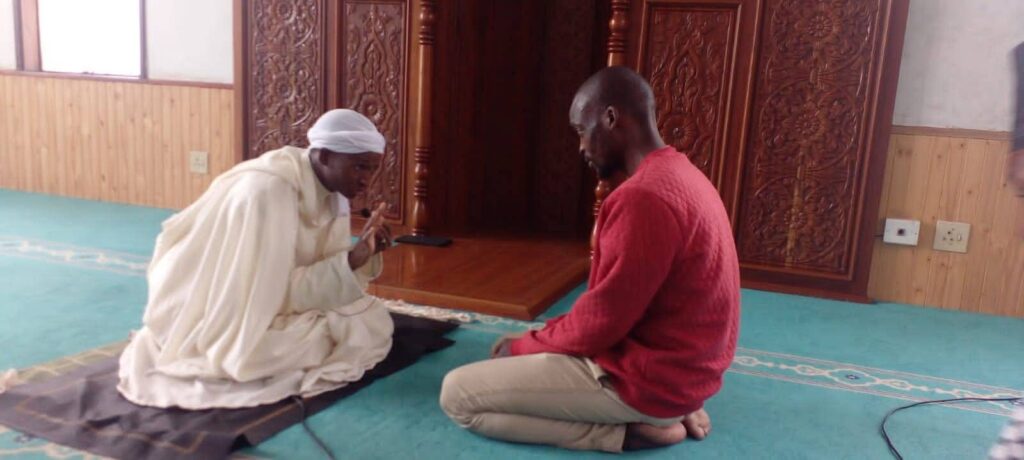
Part of that transformation can be seen in the township’s changing religious and cultural landscape. The Muslim community in Soweto, once a small and often overlooked presence fifty years ago, has grown into a visible and rooted part of township life.
Early expressions of Islam date back to the establishment of the first mosque in Kliptown during the 1940s, but for decades the faith was often misunderstood or viewed as foreign to the local community. Over time, that perception changed. The construction of purpose-built mosques, such as the Dlamini Mosque in the 1980s, marked a turning point, followed by the steady growth of an indigenous Muslim identity after 1994.
Today, mosques across Soweto, including in areas such as Orlando East, form part of everyday community life, where Islamic practice is expressed in local languages and deeply intertwined with township culture. Organisations such as the Soweto Muslim Association have also become active in community service, reflecting how Islam has grown into a visible and locally rooted part of the township’s social fabric.
A township between memory and reality
Soweto has also become one of South Africa’s most visited townships, with its history carefully preserved in sites such as the Hector Pieterson Museum and Mandela House, where Nelson Mandela once lived. Regina Mundi Church still bears bullet holes from police raids, standing as a physical reminder of a community that lived under apartheid repression.
Places such as the Orlando Towers have also been repurposed into spaces of leisure and tourism, attracting both locals and international visitors. Soweto is no longer only associated with struggle. It is also a place of culture, business and movement, although that transformation remains uneven.
Behind the heritage sites and tourist routes, many residents continue to face poverty, unemployment and limited access to quality services. This contradiction continues to define Soweto today: a place where history is honoured, but not always matched by present-day realities, and where political freedom was achieved while economic justice remains out of reach for many.
Fifty years after the 1976 uprising, Soweto is neither the broken township it once was nor the fully realised vision many had hoped for. It remains a symbol not only of resistance against oppression, but also of the unfinished struggle for dignity, opportunity and justice in post-apartheid South Africa.