
By Raeesah Hassim
The International Criminal Court has closed its original Afghanistan war crimes investigation, prompting outrage from Afghan victim groups seeking accountability for alleged US atrocities.
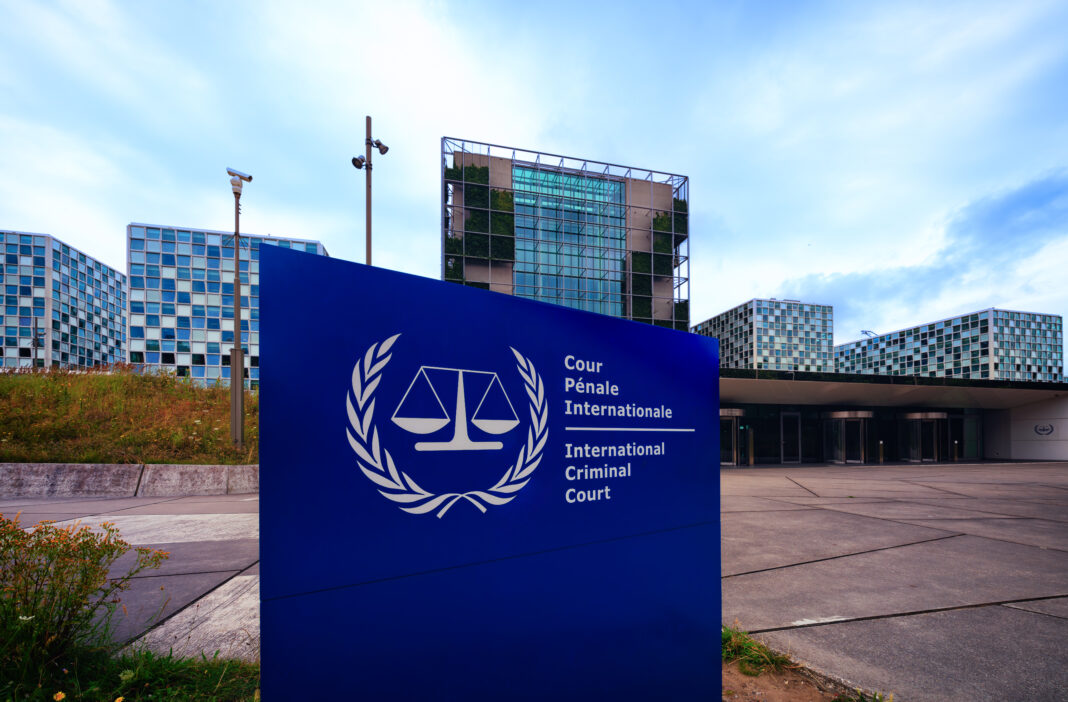
On 12 November 2026, judges at the International Criminal Court (ICC) closed an investigation covering alleged war crimes by American troops, intelligence officers and former Afghan government forces. However, a separate investigation into alleged crimes committed by the Taliban since 2021 will continue.
The decision sparked criticism from Afghan civil society organisations, which warned that victims could lose one of their last opportunities for justice. In a joint statement published by Afghan human rights organisation Rawadari on 15 November, the groups described the closure as “a devastating betrayal” that could deny victims accountability for some of the gravest crimes committed during the war.
Two decades of bloodshed
The decision comes after a 20-year US-led war marked by civilian killings, torture and allegations of unlawful executions. Some of the most disturbing incidents involved hospitals, detention centres and families caught in military operations.
On 3 October 2015, an American aircraft repeatedly bombed a Médecins Sans Frontières (MSF) hospital in Kunduz, killing 42 people, including 24 patients, 14 medical workers and four caretakers. According to MSF, the hospital was struck repeatedly for approximately an hour, leaving patients and medical personnel dead.
Years earlier, Afghan detainees were subjected to severe abuse at the US military detention facility in Bagram. Human Rights Watch documented the deaths of two prisoners, Dilawar and Habibullah, in December 2002 after they suffered repeated beatings, with military medical examinations ruling their deaths homicides.
Speaking during an interview with One Nation Media (ONM), former Guantanamo Bay detainee and CAGE International outreach director Moazzam Begg recalled witnessing prisoners being beaten to death by American soldiers at Bagram. “I saw two people murdered by the soldiers. They tied their hands to the top of the cage and beat them to death,” he said. His account highlights abuses at Bagram that took place before the ICC could investigate crimes committed in Afghanistan, as its jurisdiction only began in May 2003. It also raises questions about accountability for victims whose suffering falls outside the court’s investigation.
Nearly two decades later, on 29 August 2021, an American drone strike in Kabul killed ten civilians, including seven children and Afghan aid worker Zemari Ahmadi. The Pentagon initially claimed it had targeted a suspected terrorist threat but later acknowledged that the victims were civilians, with no US personnel disciplined over the strike.
Why has the ICC closed its investigation?
According to the ICC’s ruling, judges cited a lack of investigative activity and significant difficulties in gathering evidence. The court concluded that prosecutors had not demonstrated their ability to effectively continue the original investigation.
However, closing the investigation does not mean American or allied forces have been cleared of wrongdoing. ICC prosecutors filed a notice of appeal on 13 November and requested that the closure be suspended, arguing that the judges had closed the investigation based on a rule requiring prosecutors to first confirm that they would no longer investigate, which prosecutors say they never did.
Human Rights Watch warned that the closure could further prevent victims from obtaining accountability. Its international justice director, Liz Evenson, said the ruling “threatens to compound barriers to future accountability for US and Afghan government forces.”
Washington’s pressure on international justice
The ruling also comes amid escalating American pressure on the ICC over its investigations involving US personnel and Israeli officials.
On 9 October 2026, US Secretary of State Marco Rubio announced major sanctions targeting the ICC, restricting its access to American financial services and technology. According to the Associated Press (AP) news agency, Rubio described the institution as a “fake ICC” and declared that the United States would continue efforts to dismantle it.
In a separate statement, Rubio insisted: “President Trump will never allow the International Criminal Court to prosecute Americans.”
Although there is no established evidence that American pressure directly caused the judges’ decision, Afghan civil society groups have expressed concern about its timing. Rawadari’s joint statement warned that the closure could be seen as giving in to US pressure, but the organisations did not accuse individual judges of being influenced by the sanctions.
Justice is a responsibility, not a privilege
Islam teaches that those responsible for oppression cannot escape accountability simply because they hold power or avoid punishment in this world. In Surah Ibrahim (14:42), Allah reminds believers: “And never think that Allah is unaware of what the wrongdoers do.”
The verse reminds Muslims that justice extends beyond worldly courts and that every act of oppression remains known to Allah. For Afghan families still seeking answers, it reinforces the importance of holding those responsible accountable, even when international institutions fail to deliver justice.
For Afghan families, the legal battle is not necessarily over, as prosecutors have appealed and the court’s rules allow for investigations to be reopened under certain circumstances. However, victims have already waited years for meaningful accountability, with no guarantee that renewed proceedings will deliver it.
After two decades of suffering, the question remains: will Afghan victims of alleged crimes by US and allied forces ever see those responsible held accountable?