
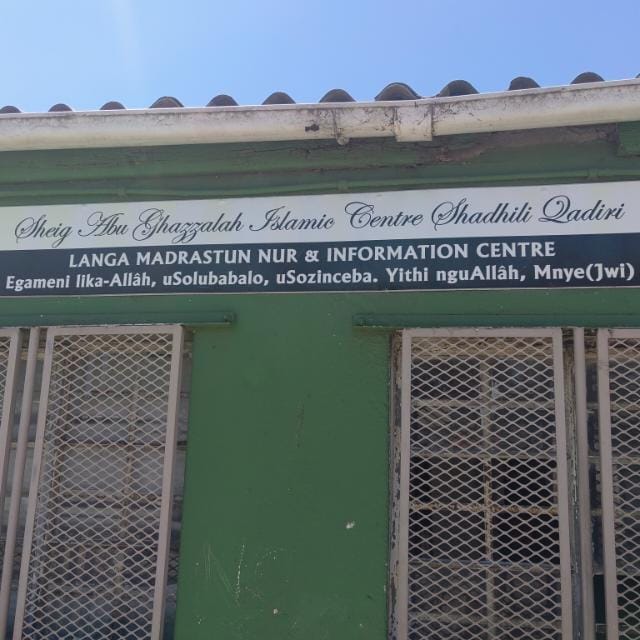

An attempt to extort money from a Cape Town madrassa is an indication that the criminal racket is becoming more widespread in South Africa.
What was once largely associated with the so-called “construction mafia” has evolved into one of South Africa’s most pervasive and damaging criminal economies. Extortion is no longer confined to construction sites and infrastructure projects. It has spread into mining, transport, sanitation services and, increasingly, community and faith-based institutions.
The scale of the crisis is reflected in the numbers. Between August 2019 and September 2023, police recorded 766 business extortion cases. Since November 2024, authorities have dealt with 745 construction-related extortion incidents, resulting in 240 arrests. Extortion-linked disruptions are estimated to have cost South Africa roughly R63 billion in economic losses since 2019.
Many syndicates operate under the guise of “business forums” or self-styled community representatives. Their most common tactic involves demanding a 30% share of contracts or subcontracting opportunities, often falsely claiming that such arrangements are required under “Black Economic Empowerment” legislation. The National Treasury has repeatedly clarified that there is no legal basis for these demands within private contracts.
When businesses refuse to comply, intimidation frequently follows. Extortion networks have been linked to threats, armed robberies, arson attacks, murders and the disruption of major projects. Infrastructure developments, housing initiatives and transport networks across the country have faced costly delays, undermining investor confidence and placing jobs at risk.
The consequences extend far beyond individual businesses. Every halted project affects workers, local communities and the broader economy. Investors are far less likely to commit capital in an environment where criminal syndicates can effectively determine whether projects proceed.
The government has attempted to strengthen its response through coordinated law enforcement operations, specialised investigations and prosecutions under organised crime legislation. Authorities have also introduced reporting mechanisms aimed at encouraging victims and businesses to come forward.
Yet recent incidents suggest extortionists are becoming increasingly emboldened.
Langa madrassa extortion attempt
In Cape Town, a non-profit madrassa in Langa recently became the target of an alleged protection racket. According to community leaders, criminals demanded a one-off payment together with ongoing monthly fees under threats of violence. The institution, which provides educational and social support services to vulnerable children, reportedly paid an initial amount out of fear before the matter was reported to police.
The incident reflects a deeply troubling trend. Extortion is no longer targeting only businesses and construction projects. Faith-based institutions, charities and community organisations are increasingly finding themselves vulnerable to organised criminal networks.
For Muslims, the issue carries an additional moral dimension. Islamic teachings place strong emphasis on lawful earnings, honest trade and the protection of community institutions. Extortion stands in direct opposition to these principles, enriching individuals through coercion, intimidation and fear rather than legitimate enterprise and ethical commerce.
South Africa’s extortion crisis is therefore not merely a policing challenge. It is an economic, social and ethical crisis that threatens public trust and community stability. If criminal syndicates are allowed to normalise protection rackets as simply another cost of doing business, the damage will extend far beyond stalled projects and financial losses. It will erode the institutions that sustain vulnerable communities and weaken confidence in the rule of law itself.
The challenge facing South Africa is no longer recognising the threat. The challenge is whether the state and society can confront extortion decisively before it becomes a permanent feature of everyday life.