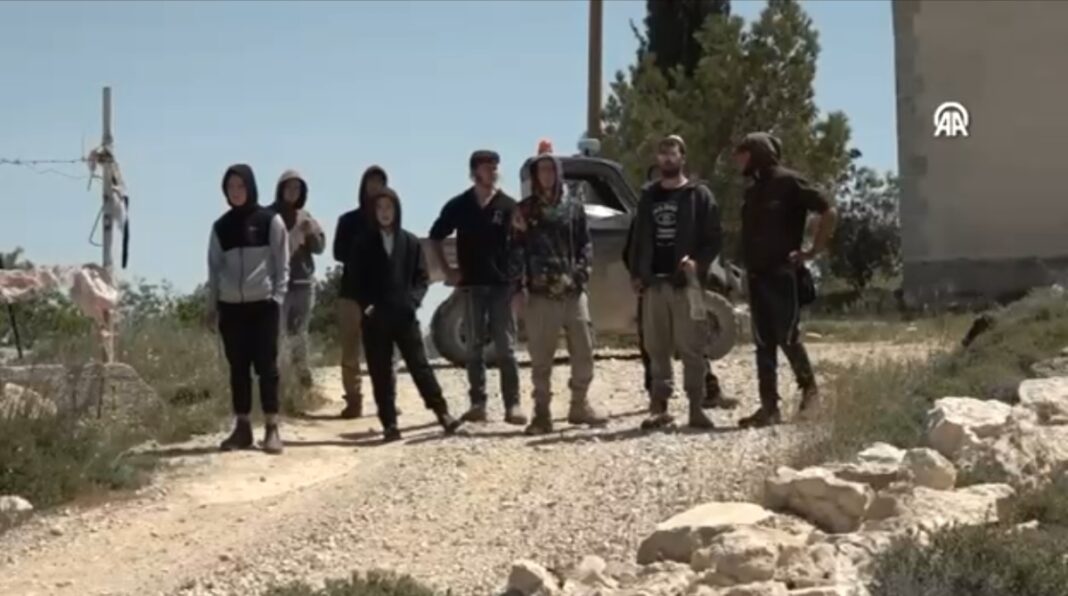

An investigation has found at least 16 cases of conflict-related sexual violence attributed to Israeli settlers and soldiers perpetrated on Palestinians in the West Bank.
A report published by the Norwegian Refugee Council, based on an investigation by the West Bank Protection Consortium, said the cases formed part of a broader pattern of sexualised harassment, intimidation and humiliation, much of which remains under-reported.
“Taken together, the evidence shows how sexualised violence is used to pressure communities, shape decisions about remaining or leaving their homes and land, and alter patterns of daily life.”
The report documented gender-based and sexualised violence perpetrated by Israeli settlers against Palestinians in Area C of the West Bank in contexts where Israeli forces were present and did not prevent or halt the violence, nor effectively investigated the abuses.
“In these circumstances, such violence is not occurring in isolation. It operates within a coercive environment that contributes to the forcible transfer of Palestinian communities,” the report stated.
The cases formed part of a broader pattern of sexualised harassment, intimidation and humiliation, much of which remained underreported.
“Taken together, the evidence shows how sexualised violence is used to pressure communities, shape decisions about remaining or leaving their homes and land, and alter patterns of daily life. “Gender-based violence, including conflict-related sexual violence, constitutes a grave violation of bodily integrity and personal dignity. In the cases documented, it functions as a coercive tool that penetrates domestic space, fractures family life, and renders continued civilian residence untenable”. The report stated.
More than 70% of displaced households interviewed identified threats to women and children, particularly sexualised violence, as the decisive reason for leaving.
In response, families adopt gendered protective strategies, including the partial transfer of women and children and recourse to early marriage, in an effort to reduce exposure to harm. The abuses occurred within a broader environment shaped by systematic discrimination and persistent impunity, the report stated.
“When people are driven from their homes because remaining has become impossible, the displacement may amount to forcible transfer under international humanitarian law. Forcible transfer does not require physical force. It occurs when coercive conditions leave civilians with no genuine choice but to flee,” the report stated.