
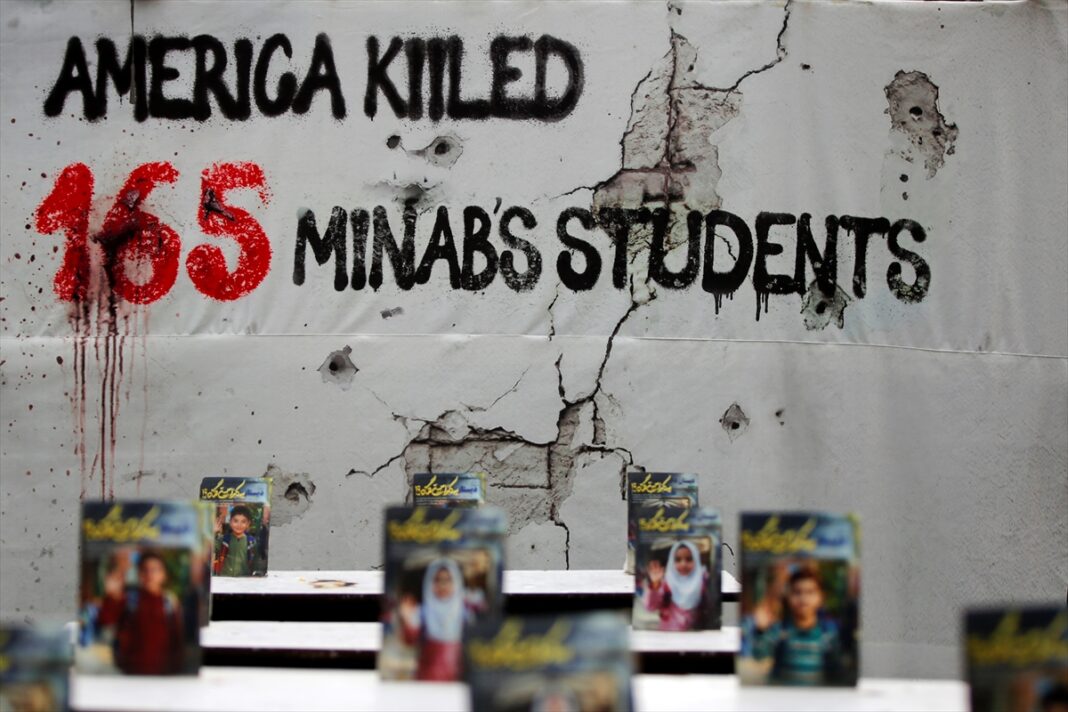

A reported US-Israeli airstrike on an orphanage complex west of Tehran has left at least two people dead and five others injured, according to Iran’s semi-official Fars News Agency. The strike took place on Monday in Fardis, a city located about 40 kilometres from the capital.
The strike targetted a recently built charity facility housing orphaned children, raising fresh concerns from rights groups about the growing civilian toll in the escalating conflict. Advocacy organisations have increasingly warned about the impact of ongoing military operations on non-military sites, including residential areas and care facilities.
The incident comes amid mounting scrutiny over earlier attacks, including the bombing of the Shajareh Tayyebeh elementary school in Minab on 28 February, the first day of the war, where Iranian authorities say at least 168 people, mostly children, were killed. The strike has been described as the deadliest single event of the conflict so far, with calls for an independent investigation continuing.
Beyond these cases, reports from rights groups and officials point to repeated strikes affecting civilian-linked locations. These include residential neighbourhoods, schools and healthcare facilities in different parts of the country. While details on specific universities, media offices and hospitals said to have been impacted, multiple media sources indicate that essential civilian infrastructure has been affected during the course of the fighting.
The scale of harm to children has also come into sharper focus. According to Iran’s state-run Islamic Republic News Agency, at least 230 children have been killed and a further 1,800 injured since the conflict began. These figures reflect growing concern about the disproportionate impact on minors.
As more information emerges, the reported strike on the Fardis orphanage adds to an expanding list of incidents raising urgent questions about civilian protection in the conflict.
The United Nations High Commissioner for Human Rights, Volker Türk, has called for greater transparency around military operations and has urged investigations into reported strikes on civilian sites. He has emphasised that, as the conflict continues, civilians particularly children remain the most affected.
“The images of bombed-out classrooms and grieving parents showed clearly who pays the highest price for war: civilians with no power in the decisions that led to conflict,” Volker Türk, the UN high commissioner for human rights, told a Human Rights Council meeting last week.