
– Mufti Ebrahim Smith
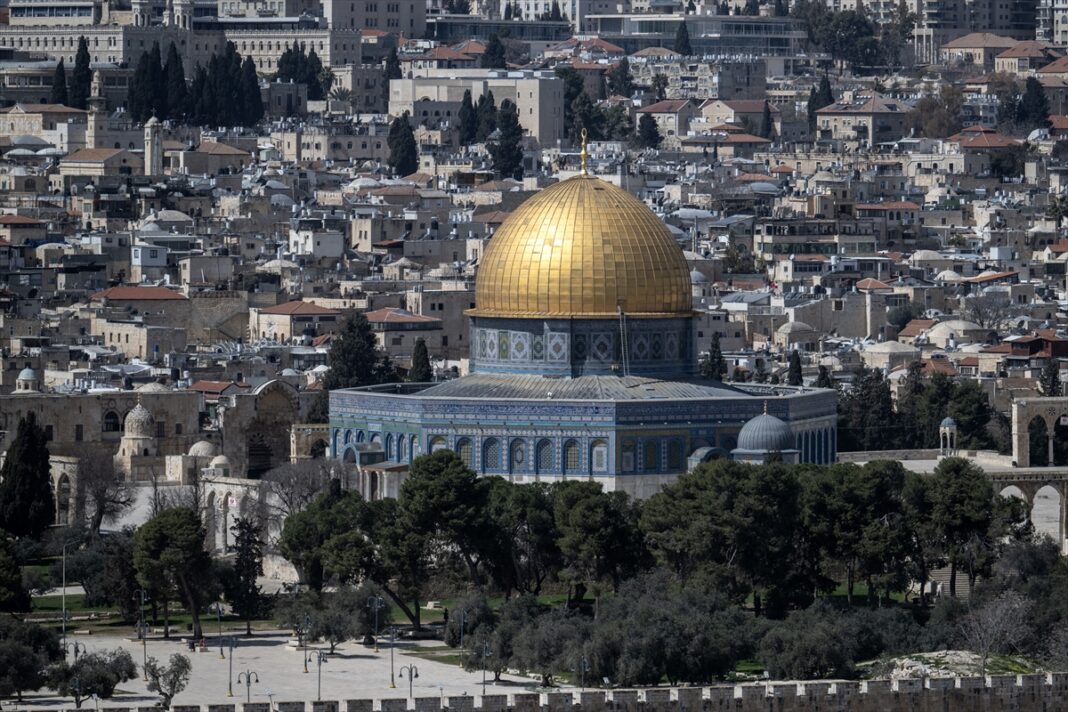
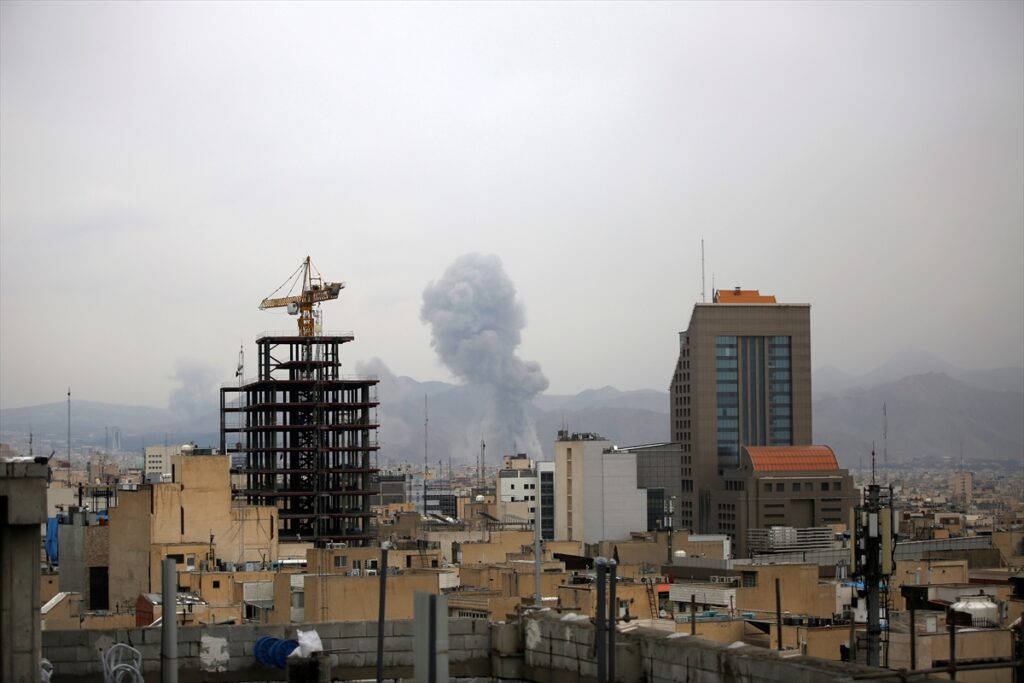
The ongoing conflict in the Middle East has captured global attention and deeply affected the Muslim Ummah. Multiple countries have become entangled in the confrontation, and the situation is viewed through different lenses. For some, it appears to be a religious war, while for others, it is primarily geopolitical.
Iran has become one of the central actors in this conflict. To understand the current situation, it is essential to examine Iran within its historical context, which stretches back thousands of years to the era when the region was known as Persia.
For much of ancient history, the Persian Empire was one of the dominant powers in the world. At that time, the Persians were largely followers of Zoroastrianism. The Muslim army’s victory marked a major turning point.
The defeat of such a powerful empire gave credibility and momentum to the spread of Islam. After this period, Islam gradually took root in Persia and became part of the region’s identity.
Fast-forwarding to modern history, Iran experienced significant political transformations.
External influence and internal power struggles reshaped the country several times.
One major turning point occurred with the Iranian Revolution of 1979, when Ayatollah Ruhollah Khomeini overthrew the existing secular monarchy. The revolution transformed Iran into an Islamic Republic governed largely by religious leadership.
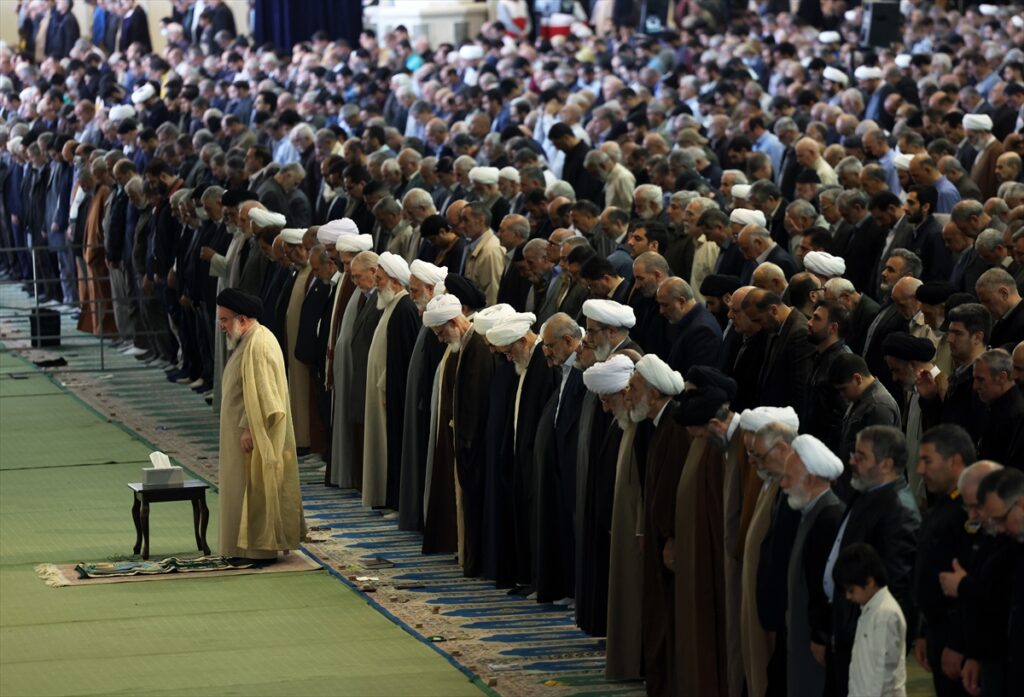
In the current Iranian system, religious authorities hold significant power, while elected officials such as the president operate with more limited authority. The clerical establishment plays a major role in guiding both political and social affairs.
Iran occupies an extremely strategic geographical and political position. Because of its location and influence, control over Iran would have significant consequences for the entire region. Some analysts argue that destabilising Iran could reshape the power balance across the Middle East and Central Asia. If the current leadership were replaced with a more Western-aligned government, the geopolitical landscape would change dramatically.
Such a shift could also affect neighbouring countries, including Afghanistan, which lies in a region historically associated with major strategic and ideological movements.
One justification often cited for military action against states like Iran is the idea of pre-emptive defence. In simple terms, this means attacking a country before it can become a future threat.
For example, if a nation believes another state may attack it in the future, it may choose to strike first to prevent that possibility. Many critics also point out that such actions often contradict the principles of international law, including the rules that states claim to uphold through institutions like the United Nations.
The Religious Dimension
Although the conflict often appears geopolitical, it is frequently framed in religious terms. Iran is a predominantly Shia Muslim country, while many Muslim nations follow Sunni Islam. These doctrinal differences have historically caused tension.
However, in the context of modern warfare, civilians often suffer regardless of sectarian identity. Bombings and military strikes rarely distinguish between Shia and Sunni populations. As a result, ordinary Muslims of different backgrounds may all become victims of the same conflict. The enemy does not discriminate. They do not identify who is Shia and who is Sunni in the current war. They just drop bombs randomly and slaughter people simply because they stay in a particular place.
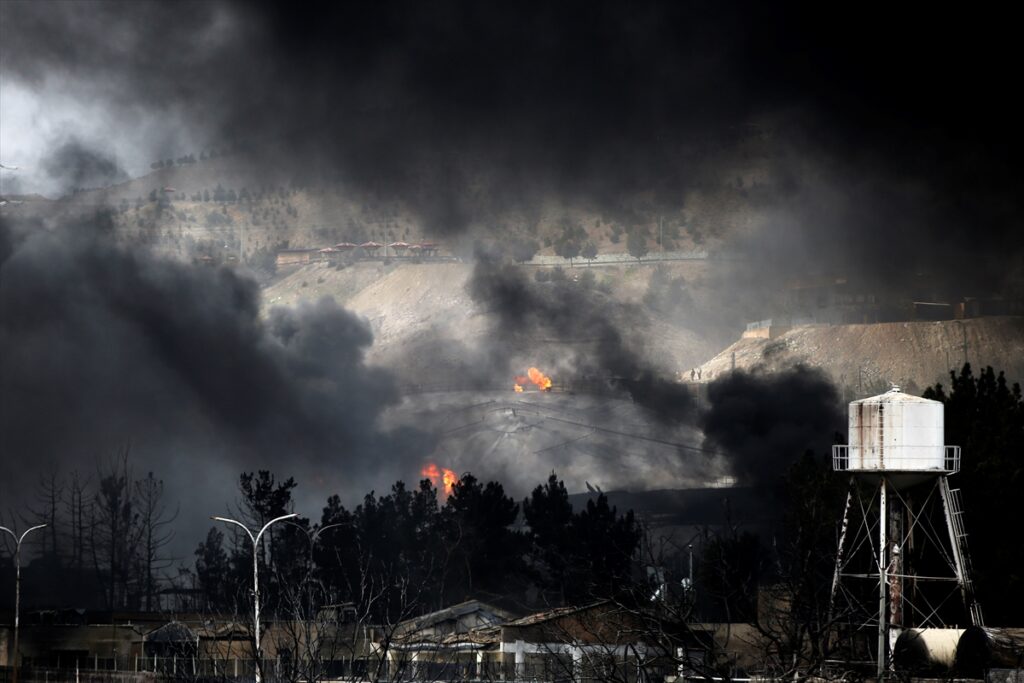
This raises difficult questions for Muslims about how to interpret and respond to such wars.
Historically, colonial and geopolitical strategies have often relied on the principle of divide and rule. This involves exploiting internal divisions within societies—whether political, ethnic, or religious—in order to weaken them.
Critics argue that similar tactics are still used today. Rival factions within countries may be supported, funded, or armed by external powers, leading to internal fragmentation and instability.
Examples of such dynamics have appeared in several modern conflicts, including those in Iraq and Syria.
The Sunni–Shia Divide and Muslim Unity
Within the Muslim world, the Sunni–Shia divide is a long-standing theological and political issue. Some scholars emphasise that Muslims should remain firm in their own beliefs and theological positions while also recognising the complexity of modern geopolitical conflicts.
From this perspective, wars between states should not be confused with religious struggles on behalf of Islam. Political conflicts often involve competing state interests rather than purely religious motivations.
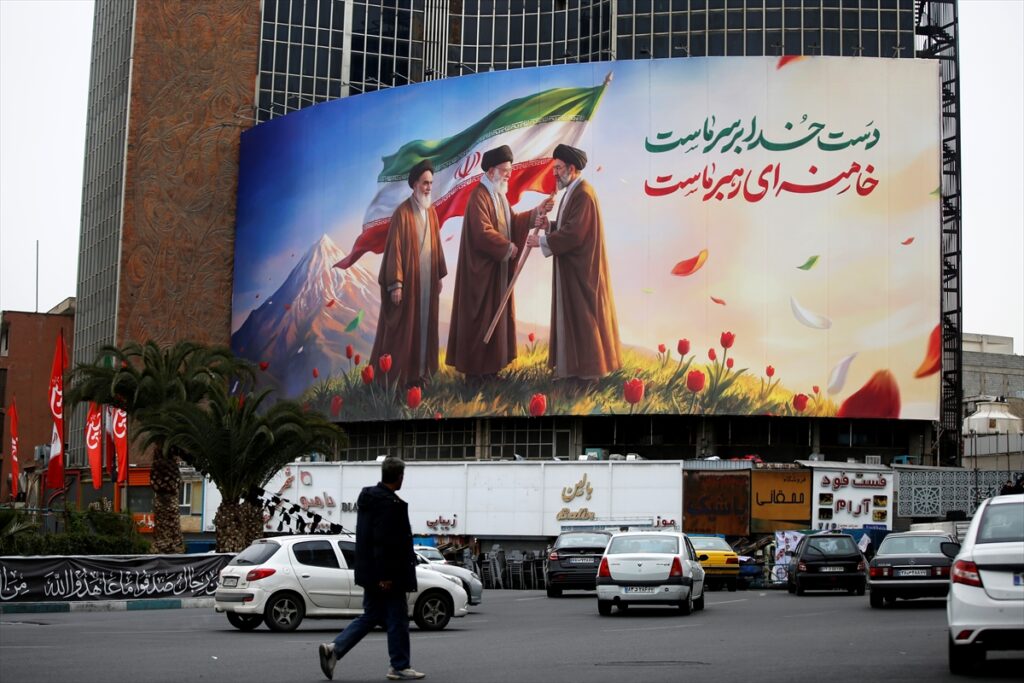
Another controversial aspect of the current situation involves the positions taken by some Muslim-majority governments. Critics argue that certain governments align themselves with Western military strategies while claiming to represent Islamic interests.
Such alliances, especially when they involve foreign military bases or participation in campaigns against other Muslim populations, are viewed by some scholars as problematic.
These issues continue to generate debate across the Muslim world.
Conclusion
The conflict involving Iran cannot be understood without examining its historical, political, and religious context. Iran’s long history—from the ancient Persian Empire to the modern Islamic Republic—has shaped its role in the contemporary Middle East.
Today’s tensions involve a complex mixture of geopolitical competition, sectarian differences, and global power struggles. Understanding these dynamics requires careful analysis rather than simple narratives.
For Muslims and observers around the world, the challenge lies in separating political realities from religious rhetoric while remaining aware of the human consequences of ongoing conflict.
(Mufti Smith is the founder and principal of Darul Iftaa, Western Cape)