
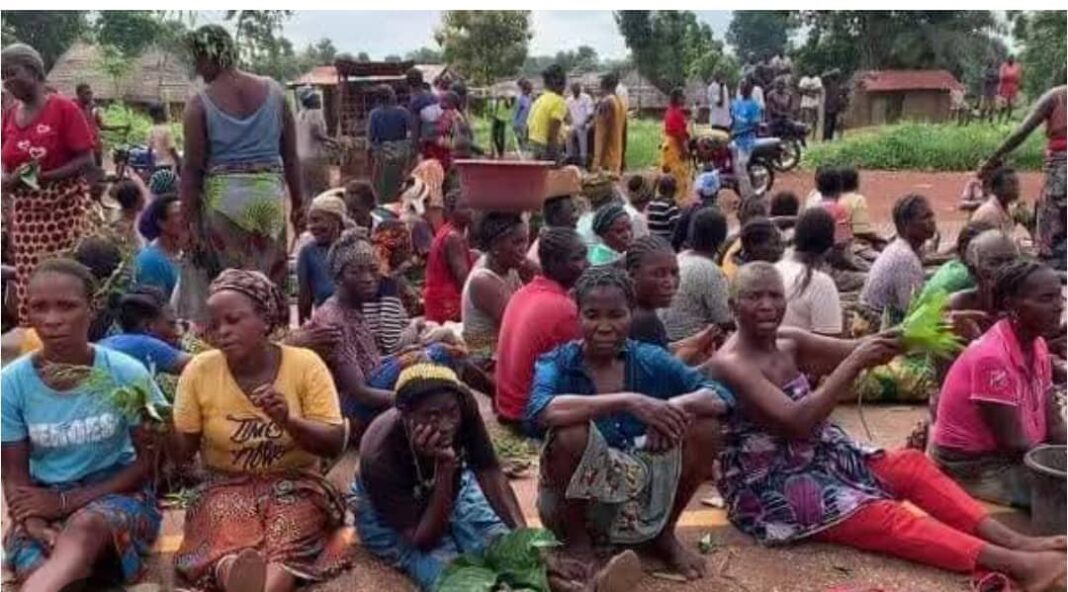

Nigeria is experiencing a renewed surge in violence across several regions, raising fresh concerns about national security and the country’s preparedness for the 2027 general elections.
Recent attacks by armed groups, communal clashes and kidnappings have highlighted the complex and overlapping security challenges confronting Africa’s most populous nation as political activity intensifies ahead of the polls.
In recent months, renewed violence in Benue, Plateau and parts of Nasarawa states has claimed scores of lives and displaced thousands of residents, reigniting concerns over the long-running farmer-herder conflict across Nigeria’s North-Central region.
In the North-West, armed bandit groups continue to carry out deadly raids on rural communities and major highways, while kidnapping for ransom remains a persistent humanitarian and security challenge.
Meanwhile, the North-East continues to experience attacks by Boko Haram and the Islamic State West Africa Province (ISWAP), despite years of military operations against the insurgent groups.
Security analysts note that violence in Nigeria is no longer driven by a single conflict. Instead, the country faces an overlap of insurgency, organised crime, communal disputes, separatist agitation and worsening socio-economic conditions.
Rising poverty, unemployment, inflation and soaring food prices have increased the vulnerability of young people to recruitment by criminal and extremist groups.
Environmental pressures, including desertification and growing competition over land and water resources, have further intensified tensions in several regions.
The deteriorating security situation has also exposed structural weaknesses within Nigeria’s security architecture.
Overstretched security personnel, intelligence gaps, inadequate policing in rural communities and the slow prosecution of criminal cases have enabled armed groups to operate across vast areas with relative impunity.
As confidence in state security institutions declines, many communities have increasingly turned to local vigilante groups for protection.
Fresh attacks in Benue
The latest violence has been particularly severe in Benue State.
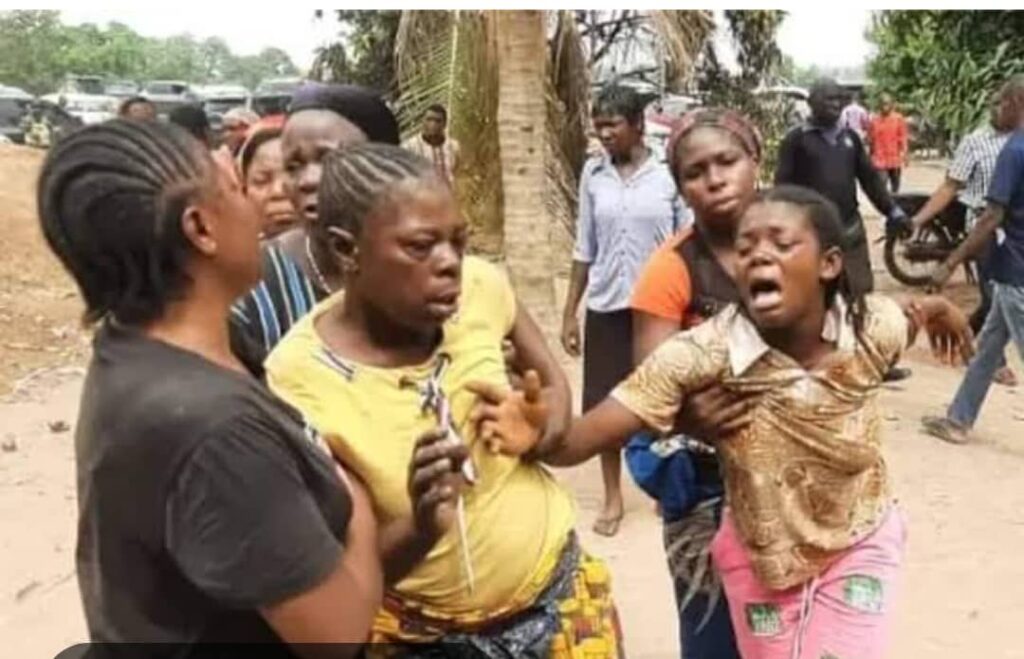
Between 11 and 16 July, gunmen carried out night-time attacks in the Ohimini and Otukpo Local Government Areas, targeting communities including Akpachi, Otukpo-Nobi and Ondo-Ugboji. Approximately 26 people were killed.
Earlier this month, suspected armed bandits posing as herders also attacked the Sai community in the Katsina-Ala Local Government Area, killing at least 15 people and injuring several others.
Local residents and officials believe some of the attacks may have been reprisals for the 26 June killing of Alhaji Ardo Risku Mohammed, the Benue State chairman of the Miyetti Allah Cattle Breeders Association of Nigeria (MACBAN), and one of his associates.
Addressing journalists in Abuja on Wednesday, Benue South Senator Abba Moro expressed deep concern over the escalating violence.
He said the traditional ruler of the Idoma Kingdom, His Royal Majesty Agaba’Idu Elaigwu Odogbo John, had reportedly received intelligence about an imminent attack on Akpachi village several days before the killings, but that the information was not acted upon in time.
Security and politics increasingly intertwined
The worsening security crisis comes as political activity gathers momentum ahead of the 2027 general elections.
Opposition leaders argue that defections to the ruling All Progressives Congress (APC), together with internal divisions within opposition parties, are weakening political competition before the elections.
One of the major proposals under discussion is the creation of state police forces to strengthen local security and improve responses to violent crime.
However, Senator Moro, who also serves as Senate Minority Leader, has criticised the proposal, arguing that state police could be abused for political purposes, reduce electoral competitiveness and create an uneven political playing field.
The APC has consistently rejected those claims, maintaining that politicians are joining the ruling party voluntarily because of confidence in President Bola Tinubu’s administration and its policies.
The APC currently governs 30 of Nigeria’s 36 states and holds 80 of the 109 seats in the Senate, while the leading opposition parties collectively occupy a much smaller parliamentary presence.
The Independent National Electoral Commission (INEC) has scheduled the presidential and National Assembly elections for 16 January 2027, while governorship and state assembly elections are set for 6 February 2027.
Political consultations, coalition negotiations and party realignments have already intensified across the country.
Analysts warn that heightened political competition, combined with existing ethnic, religious and regional tensions, could increase the risk of election-related violence if political leaders fail to exercise restraint.
Calls for responsible leadership
Muslim leaders have cautioned against the spread of misinformation, hate speech and inflammatory political rhetoric, warning that false narratives could deepen divisions and undermine public confidence in Nigeria’s democratic institutions during the election period.
Despite the worsening security situation, large parts of Nigeria remain relatively stable, and previous elections have been conducted under similarly challenging conditions.
Analysts say restoring public confidence will require stronger intelligence-led policing, improved coordination between security agencies, accelerated economic reforms, greater protection for vulnerable communities and an electoral process that is transparent, credible and trusted by citizens.
As Nigeria moves closer to another national election, its ability to address the root causes of violence while safeguarding the integrity of its democratic process is likely to become one of the defining tests facing President Bola Tinubu’s administration and the country’s security institutions.