
The celebratory mood outside the Knesset after the passing of the death penalty law aimed at killing Palestinian prisoners together with the muted international responses sends a clear message that Palestinian lives are not afforded equal regard. Palestinian refugee Nesma Darwish reflects on the impact of the draconian legislation
In Palestine, killing is no longer seen as an exceptional act warranting condemnation and investigation; rather, it has increasingly become part of a recurring reality, carried out under legal cover or met with international silence.
The detail of the legislation enabling the murder of Palestinians without proper due process suggests that the law is there to enforce the death penalty in a stricter form, with limited opportunities for mitigation or pardon, raising serious concerns about justice and due process. Essentially, the law will enable the death penalty against Palestinian prisoners, reducing any review of decisions to hang prisoners.
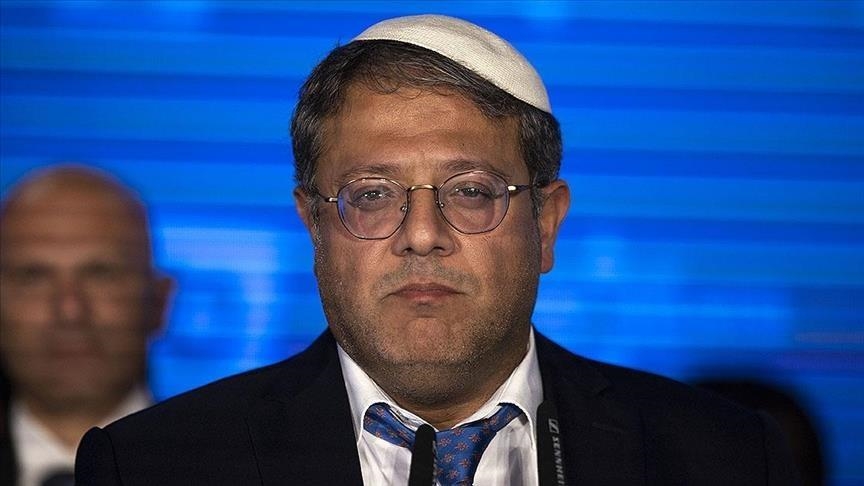
In a shocking move, Israeli National Security Minister Ben Gvir and other law makers, were seen celebrating the passing of the death penalty law outside the Knesset chamber. Ben Gvir described the legislation as historic, saying, “Soon we will count them one by one.”
In a move that has sparked widespread controversy, the US government has steered clear of criticising the Israeli move, amid what was described as celebratory reactions from some parties, and in the absence of firm international responses matching the gravity of the development. This shift reflects not merely a legal escalation, but a troubling transformation in how Palestinian lives are perceived and treated.
The International Covenant on Civil and Political Rights affirms in Article 6 that “the right to life is inherent to every human being” and that no one shall be arbitrarily deprived of life.
It further restricts the application of the death penalty to the most serious crimes and under stringent judicial safeguards. Article 14 of the same covenant guarantees the right to a fair trial before an independent and impartial tribunal—conditions that are called into question in light of such legislative measures and their context.
Similarly, the Fourth Geneva Convention, particularly its common Article 3, prohibits “violence to life and person, in particular murder of all kinds,” and emphasises the necessity of respecting fundamental judicial guarantees, especially in situations of conflict and occupation. The Universal Declaration of Human Rights also prohibits discrimination in the application of rights, rendering any selective enforcement both legally and morally questionable.
More concerning is the apparent “normalisation” or legitimisation of such actions, whether through formal legislation or the absence of meaningful accountability. When laws of this nature are met with silence or weak reactions, it sends a clear message that Palestinian lives are not afforded equal protection under the current international system.
If confirmed, the celebration of such measures represents not only an ethical breach but a deeper erosion of human values, where justice is redefined and moral standards inverted. Laws, instead of safeguarding human life, risk becoming instruments that justify its termination.
Ultimately, this is not merely about a single law, but about a broader trajectory of violations that test the credibility of the international system. Protecting the right to life is not a political option—it is a legal and moral obligation. Any failure in this regard threatens the very foundation of justice itself.