
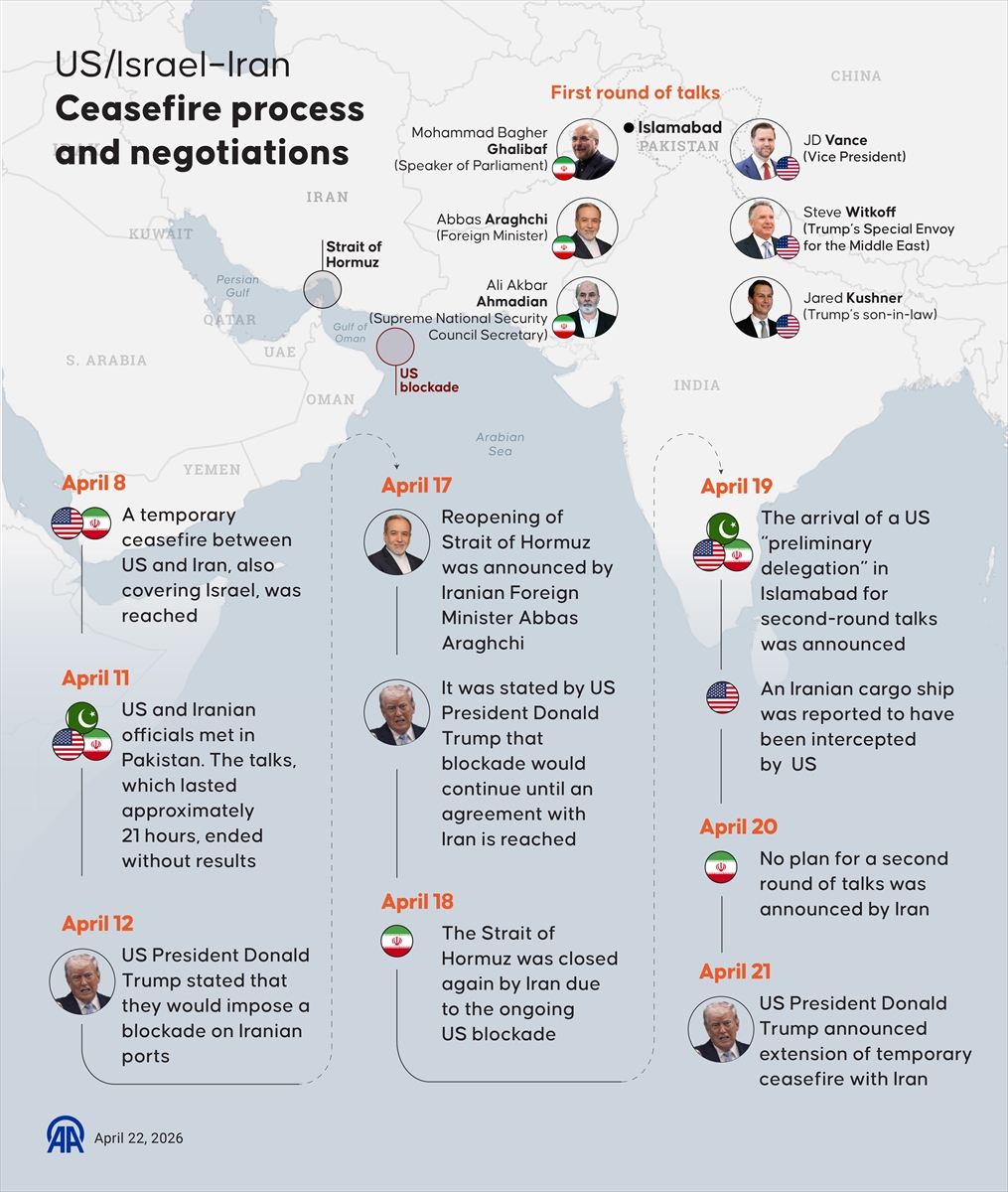

Oil prices rose about two percent on Thursday as uncertainty over a possible US-Iran ceasefire and continued disruption to shipping through the Strait of Hormuz kept markets on edge.
Brent crude futures traded at around $104 per barrel as of 10:15GMT, up more than two percent on the day, while US benchmark West Texas Intermediate (WTI) rose to about $95, also gaining over two percent.
The gains came as hopes for a swift diplomatic breakthrough faded and vessel traffic through the Strait of Hormuz remained constrained, reinforcing fears of supply disruptions along one of the world’s most critical energy chokepoints. Around one-fifth of global petroleum consumption passes through the strait, according to the US Energy Information Administration.
Market sentiment was further shaken by Iranian media reports that Tehran had collected its first toll payment for passage through the waterway. Tasnim news agency, citing Iran’s deputy parliament speaker, said the country had received the first payment under the new arrangement, adding to concerns over tighter control of commercial navigation.
Prices were also supported by renewed warnings from the International Energy Agency (IEA) over the scale of the disruption.
IEA Executive Director Fatih Birol said the world is facing “the biggest energy security threat in history” as the Iran war and the continued disruption in the Strait of Hormuz severely affect global energy flows.
Speaking to CNBC at the Converge Live event in Singapore, Birol said the market has already lost around 13 million barrels per day of oil supply and is also experiencing major disruptions in critical commodities.
“Europe gets about 75% of its jet fuel from refineries in the Middle East and this is basically now zero,” Birol said, adding that Europe is trying to secure alternative supplies from the US and Nigeria.
Meanwhile, US President Donald Trump has ordered the US Navy “to shoot and kill” any vessels “putting mines in the waters of the Strait of Hormuz”. – AA