


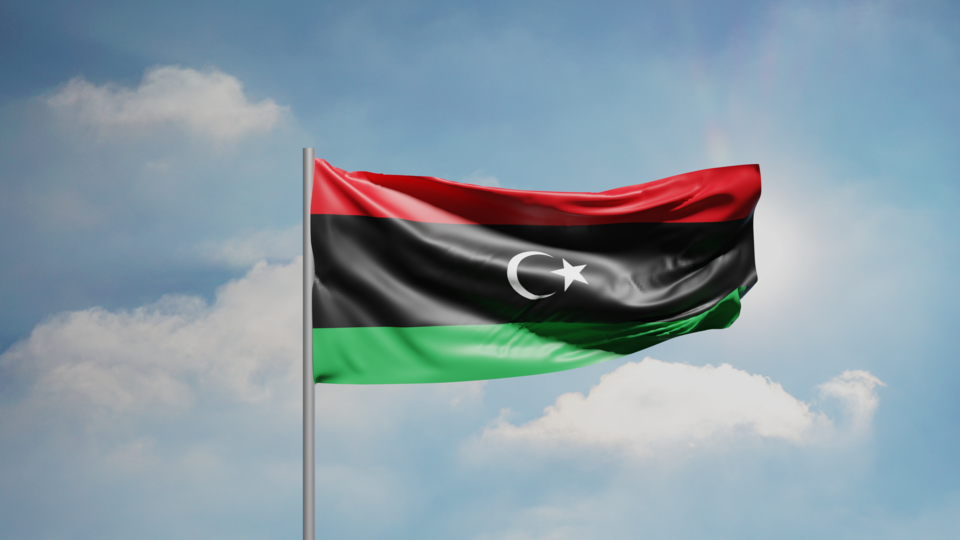
Libya’s eastern-based government has banned nationals from Sudan, Eritrea, Ethiopia and Somalia from entering territory under its control, in a move it says is aimed at reorganising the entry of foreign nationals.
The decree, issued by the Benghazi-based administration of Osama Hamad, states that citizens of the four African countries are prohibited from entering through all land, sea and air ports.
The eastern government is allied with military commander Khalifa Haftar, who controls eastern Libya and large parts of the south. Libya remains divided between Haftar-aligned authorities in the east and the internationally recognised government of Abdulhamid Dbeibah in Tripoli.
The ban includes exemptions for accredited diplomatic and consular staff, their family members, and workers in the education, medical and allied health sectors, provided they obtain the required approvals and valid work contracts from the relevant authorities.
Libya has become a major transit route for migrants and refugees fleeing war, poverty and instability across Africa, with many attempting to reach Europe by crossing the Mediterranean from Libya’s northern coast.
The country has been in political turmoil since the 2011 NATO-backed overthrow of Muammar Gaddafi, with rival governments and armed factions competing for power since 2014.
According to UN figures, Libya is home to more than 900,000 migrants and refugees, with Sudanese nationals among the largest groups. Many migrants attempting to cross to Europe are intercepted at sea and returned to Libya, where detention centres have repeatedly been accused of abuse, including forced labour, beatings, sexual violence and torture.
Rights groups have also reported growing anti-migrant sentiment and mass crackdowns in both eastern and western Libya, with thousands of refugees and migrants arrested in recent months.