


With much fanfare, US President Donald Trump signed a peace agreement with Iran during a lavish state dinner at the Palace of Versailles in France this week. However, with the ink barely dry, the future of the deal has already been thrown into doubt.
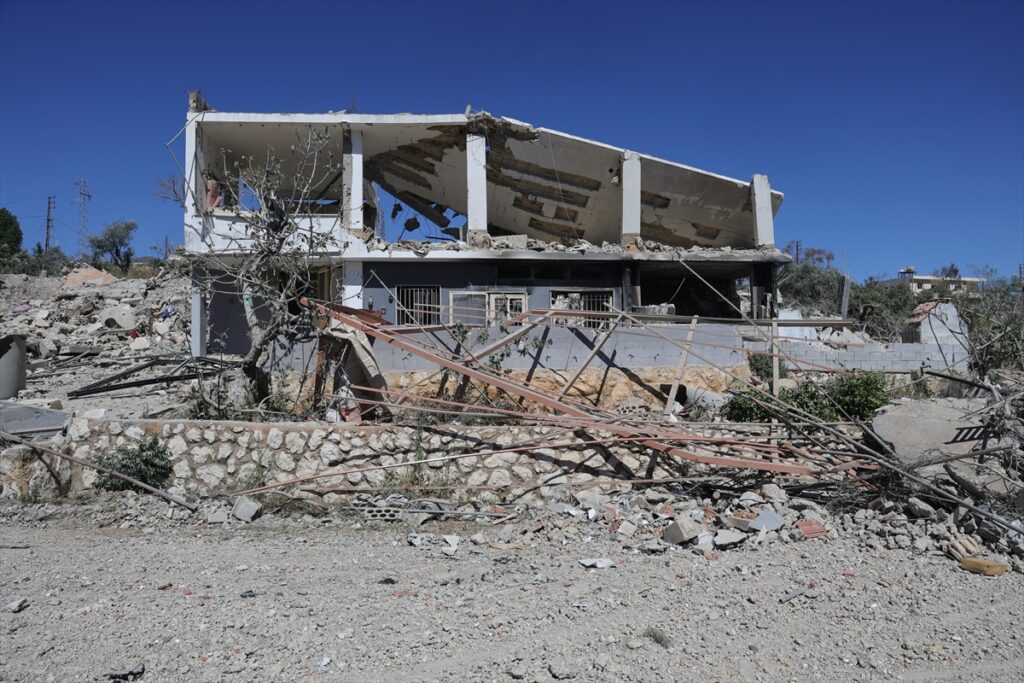
Further negotiations scheduled to take place in Geneva on Friday were abruptly postponed, with the ongoing conflict between occupying Israeli forces and Hezbollah in southern Lebanon emerging as the main obstacle.
Iranian officials indicated that before committing to further face-to-face talks, they wanted concrete evidence that interim de-escalation measures agreed with Washington were being implemented on the ground.
Following Tehran’s reluctance to proceed, the White House announced that Vice President JD Vance had cancelled a planned trip to Switzerland, where talks were expected to continue.
The developments have highlighted the increasingly complex challenge facing the Trump administration as it attempts to preserve the fragile agreement while managing tensions involving one of its closest allies in the Middle East.
In recent days, both Trump and Vance have publicly criticised Israeli Prime Minister Benjamin Netanyahu, accusing him of undermining diplomatic efforts through continued military operations against Hezbollah.
Trump confirmed reports that he had described Netanyahu as “f***ing crazy” during a heated telephone conversation following Israeli strikes on Beirut.
He said he was frustrated by Israel’s continued military action in Lebanon at a time when Washington was attempting to secure a broader regional settlement.
“When two drones are shot into the desert and drop harmlessly, you don’t have to knock down buildings in Beirut,” Trump reportedly told Netanyahu.
According to multiple reports, Trump also warned the Israeli leader: “You’d be in prison if it weren’t for me. I’m saving your ass. Everybody hates you now. Everybody hates Israel because of this.”
The US president was particularly angered by Israeli airstrikes that reportedly took place shortly before the signing of the agreement with Iran.
“Why did Bibi have to do a fing attack? I was so pissed off. He has no fing judgement,” Trump reportedly said.
Vance echoed the criticism on Thursday after several Israeli politicians condemned the agreement with Iran, describing it as a betrayal of Israeli interests.
“Donald J Trump is the only head of state in the entire world who is sympathetic to the nation of Israel at this moment in time,” Vance said.
“If I was in the Cabinet of the Israeli government, I might not be attacking the only powerful ally that I have anywhere left in the world.”
Analysts say Netanyahu now finds himself caught between competing political and security pressures.
On the one hand, he faces growing pressure from Washington to avoid actions that could derail the US-Iran peace process. On the other, he must contend with security concerns along Israel’s northern border and growing domestic demands for a tougher military response to Hezbollah.
“How does he protect northern Israel from Hezbollah rocket fire without blowing up the US-Iran peace deal that ties Lebanon to the wider war?” analysts have asked.
After promising around 60,000 displaced residents that they would be able to return to their homes in northern Israel, Israeli forces launched deeper operations into southern Lebanon aimed at pushing Hezbollah further from the border.
Yet domestic political pressure continues to mount. Opinion polls suggest Netanyahu’s Likud Party is losing support ahead of elections scheduled for October, with many voters arguing that the government has not gone far enough in confronting Hezbollah.
The uncertainty raises a critical question: with Israeli forces continuing operations across southern Lebanon, and Hezbollah still launching attacks against Israeli troops and firing rockets into northern Israel, can the three-day-old peace agreement between Washington and Tehran survive its first major test?