


South Africa’s drug crisis is no longer confined to isolated communities or street-level dealing. Increasingly, it is being shaped by international cartel networks, digital drug marketplaces and weakening social structures within families and communities.
Recent investigative reporting by Daily Maverick suggests South Africa is becoming more deeply entangled in global narcotics supply chains, with evidence linking the country to Brazilian cocaine investigations and broader transnational trafficking routes. Intelligence assessments have also warned that Mexican cartel-linked operations have allegedly expanded into South Africa, exploiting rural areas for synthetic drug production and taking advantage of gaps in enforcement.
What makes this crisis particularly alarming is that its effects are increasingly being felt far beyond traditional crime hotspots. Counsellors and community leaders warn that substance abuse is becoming more visible within Muslim communities across South Africa, affecting youth, families and even older generations.
Muslim communities feel the impact
Within Muslim communities, counsellors and community workers say addiction is becoming increasingly difficult to ignore.
Young people are facing many of the same pressures affecting wider society, including unemployment, social isolation, peer influence and exposure to harmful online content. While mosques and religious organisations regularly address substance abuse through sermons and awareness campaigns, many believe a deeper response is required.

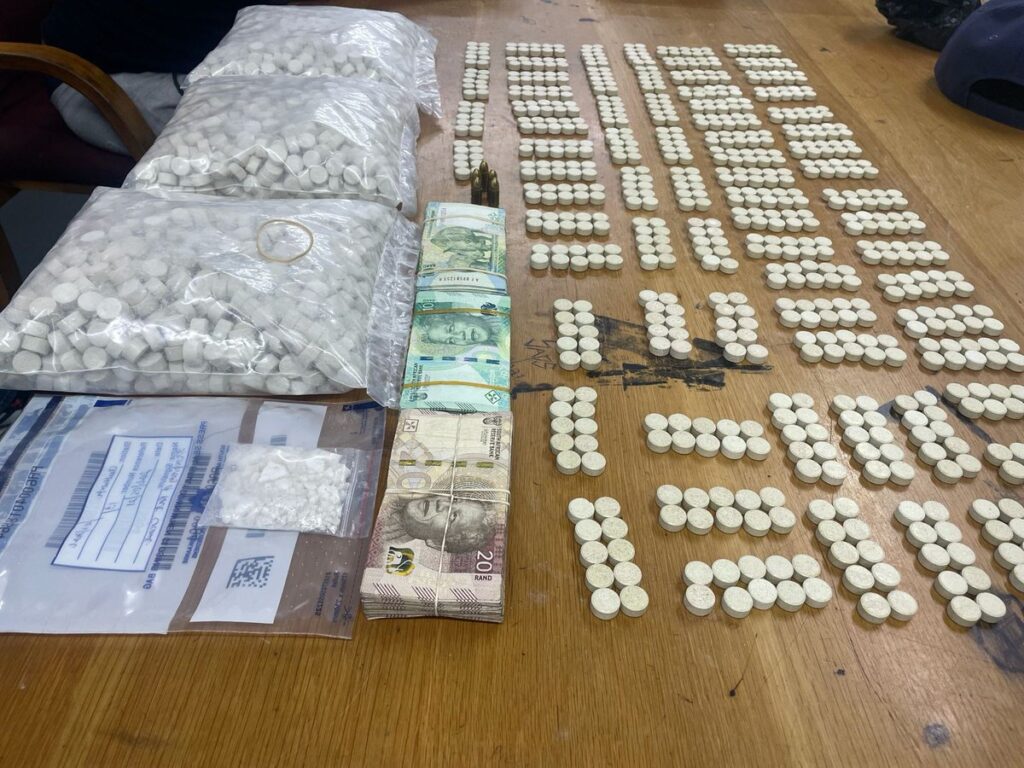
Moulana Talha Docrat, founder of Bayt at Takreem NPC, argues that addiction is often misunderstood.
“We treat addiction as a drug problem when it’s usually a pain problem first,” he told One Nation Media (ONM).
According to Docrat, many young people are battling trauma, anxiety, loneliness, family dysfunction and a lack of healthy coping mechanisms long before substance abuse enters the picture.
“Drugs don’t create the void; they temporarily fill it,” he said.
He believes communities often respond to addiction with judgment rather than understanding, making it more difficult for those struggling to seek help.
Magaliesburg Health Centre counsellor Muhammed Bhyat, who works closely with individuals battling addiction, echoes similar concerns, noting that many families continue to confront addiction in silence due to stigma and fear of embarrassment.
An epidemic of dangerous proportions
Bhyat describes the current situation as an “epidemic of dangerous proportions”.
He says substance abuse patterns have changed dramatically over the past two decades. Where drug use was once largely associated with cannabis, alcohol, cocaine and Mandrax, more than 20 different substances are now circulating within communities.
According to Bhyat, addiction is affecting people across all age groups, with users as young as 12 and as old as 75 requiring rehabilitation intervention.
The accessibility of drugs has also changed dramatically. What once required physical contact with dealers has evolved into a digital marketplace. According to Bhyat, the COVID-19 period accelerated this shift, with drug merchants reportedly advertising “menus” on social media platforms, allowing users to browse substances, make electronic payments and arrange discreet deliveries.
This transformation has made drugs more accessible and significantly harder to police.
South Africa’s growing place in global drug networks
Experts increasingly believe South Africa is evolving from a transit route into a strategic hub within international drug trafficking networks.

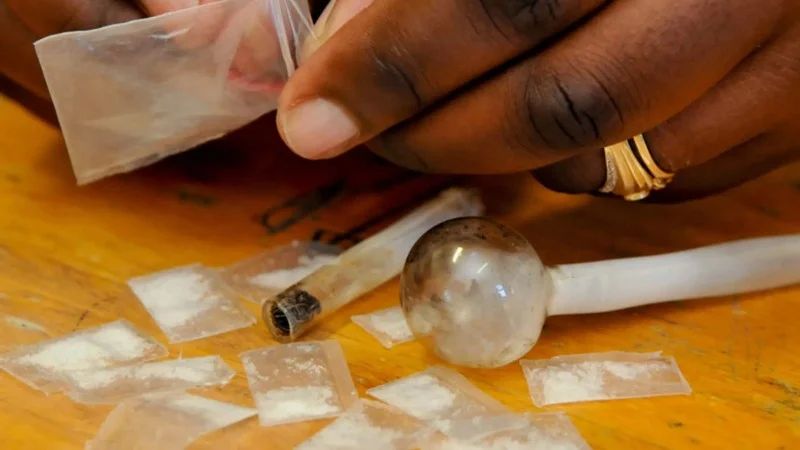
Investigations and intelligence briefings suggest that methamphetamine production facilities linked to foreign criminal organisations have allegedly been established on farms.
At the same time, cocaine trafficking routes continue to expand across the continent towards European markets.
These developments point to a criminal economy that is becoming more organised, technologically sophisticated and transnational in nature.
Drug trafficking is no longer simply a matter of shipments moving through ports and borders. South Africa is increasingly being drawn into the production, distribution and logistical infrastructure of global narcotics networks.
While law enforcement agencies continue to target traffickers and organised crime syndicates, the social consequences of this trade are becoming increasingly evident within communities.
Awareness without intervention
Both Docrat and Bhyat believe awareness alone will not reverse the trend.
Docrat argues that communities need more honest conversations and less stigma, alongside earlier intervention at home, school and community level. He also calls for better education for parents and community leaders, as well as improved access to treatment, recovery support and mentorship programmes.
Most importantly, he believes communities need to change how they view addiction.
“We need to stop asking, ‘How do we hide this problem?’ and start asking, ‘How do we help these people?’” he said.
South Africa’s drug crisis is no longer simply a law enforcement challenge. It is a layered social emergency driven by global criminal networks, enabled by digital technology and sustained by fractures within families and communities.
As international drug networks expand their footprint in South Africa, the consequences are no longer confined to trafficking routes and criminal syndicates. They are increasingly being felt in homes, schools, mosques and communities across the country, with young people bearing the greatest cost.