


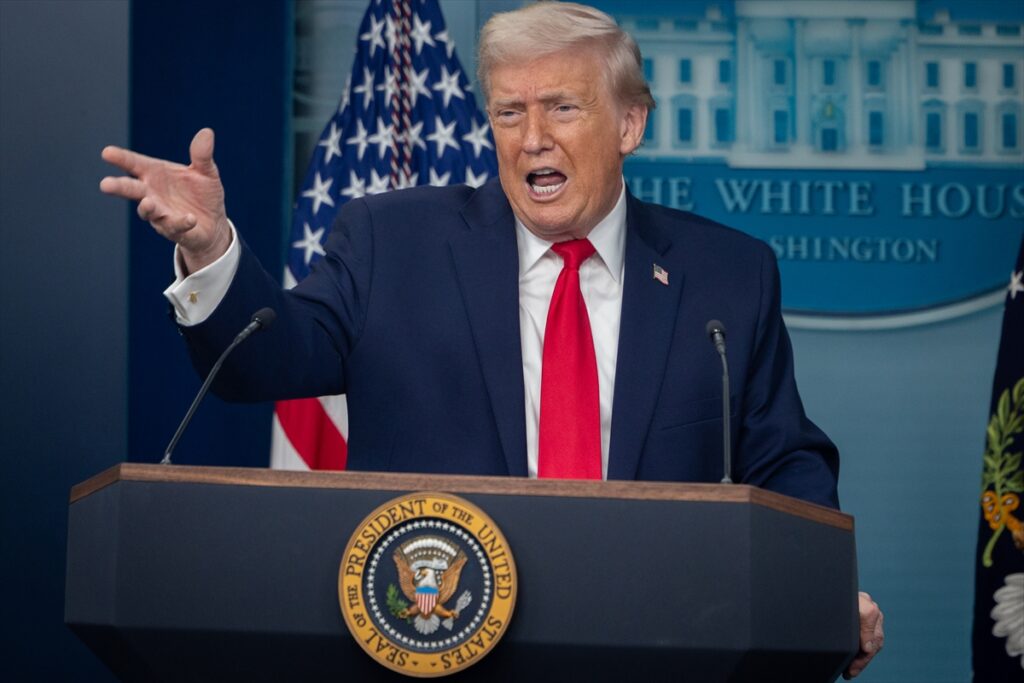
A US-Iran agreement aimed at halting the conflict between the two countries could be signed as early as Sunday, according to President Donald Trump, although Tehran has signalled that the timeline remains uncertain.
Trump said the deal would lead to the reopening of the Strait of Hormuz, one of the world’s most important routes for oil and liquefied natural gas shipments, after weeks of disruption caused by the war.
Posting on Truth Social, Trump said the agreement was “scheduled” to be signed on Sunday and that the Hormuz Strait would be “open to all” immediately afterwards.
Pakistan, which has played a central role in mediating between Washington and Tehran, also suggested that the process was entering its final stage. Prime Minister Shehbaz Sharif said the two sides were closer to peace than ever before and that an electronic signing was being prepared if the deal is finalised.
But Iran has been more cautious. Foreign ministry spokesman Esmail Baghaei said the exact date for signing the memorandum of understanding had not yet been confirmed and indicated it would not take place on Sunday.
Qatar, another key mediator, sent a delegation to Tehran on Sunday, according to Iranian media. It remains unclear whether the visit will affect the timing of Iran’s expected approval.
The proposed agreement is understood to include a halt to fighting between the US and Iran, the reopening of Hormuz, and follow-up technical talks next week. US officials have said any economic benefits for Iran would depend on Tehran meeting its commitments.
Trump also appeared to refer to Iran’s enriched uranium stockpiles, saying the US would act “at the appropriate time” to remove what he called the “Nuclear Dust” and later destroy it.
Western governments have long accused Iran of seeking nuclear weapons, while Tehran insists its nuclear programme is for civilian energy and research.
Iranian Foreign Minister Seyed Abbas Araghchi said on Friday that an agreement with Washington was close and suggested it could also include efforts to end fighting between Israel and Hezbollah in Lebanon. Talks over Iran’s nuclear programme are expected to begin at a later stage.
The war began on February 28, when US and Israeli forces launched strikes across Iran. Tehran responded by attacking Israel and US-allied Gulf states, while effectively shutting the Strait of Hormuz.
A ceasefire was agreed in April, but intermittent exchanges of fire have continued.
Israel is not part of the US-Iran deal and has insisted it will continue operations against Hezbollah in Lebanon.
On Sunday, Israel issued evacuation orders for 29 villages in southern Lebanon, a move that often comes before air strikes. The Israeli military said it was preparing to act after two suspected drones reportedly hit a military zone in northern Israel.