


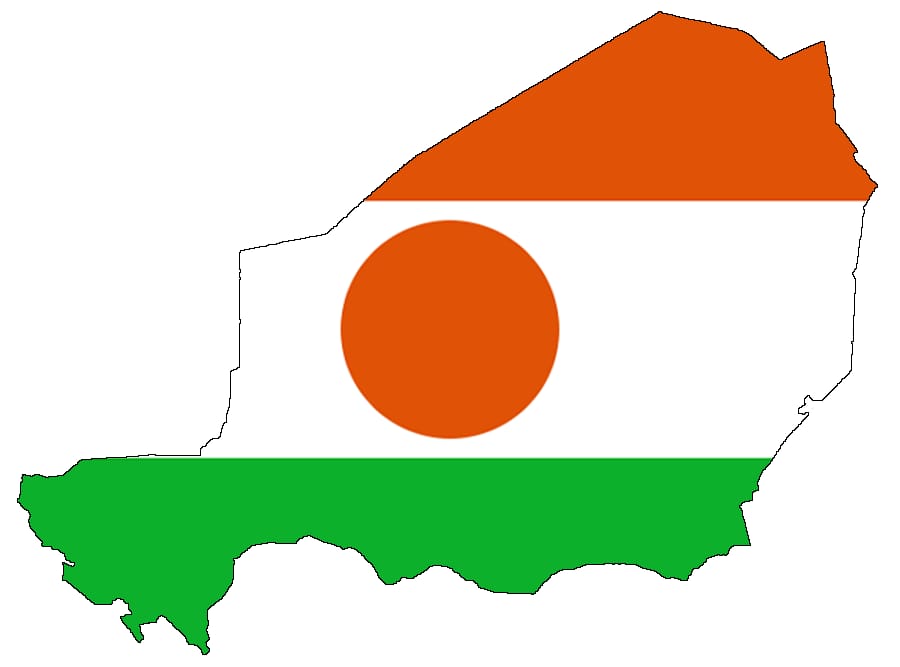
Niger has officially criminalised same-sex relations following the adoption of a new penal code by the country’s military-led government, marking a significant shift that places the West African nation within a growing continental movement redefining social and moral legislation away from Western liberal influence.
The new law introduces prison sentences and financial penalties for individuals found guilty of engaging in same-sex relations. Until now, Niger was among a small number of African countries where such conduct between consenting adults was not explicitly criminalised.
Since seizing power in 2023, junta leader Abdourahamane Tiani has advanced a strongly anti-Western political position, repeatedly criticising what he describes as foreign values being imposed on African societies. His administration has framed recent legal reforms as part of a broader effort to restore national sovereignty, cultural identity and moral order rooted in local religious and social norms.
While the current military leadership enacted the penal code changes, the origins of the reform date back to the civilian government of former president Mohamed Bazoum. The process was reportedly initiated under his administration following sustained pressure from religious groups and lawmakers calling for stricter legislation aligned with societal values.
Many Muslim communities across the region view the protection of family structure, modesty and moral conduct as central pillars of social stability. In this context, supporters of the legislation argue that sovereign states have the right to legislate in line with their religious and cultural frameworks, free from external ideological pressure.
However, Western governments and international rights organisations have consistently criticised such laws, framing them through a liberal human rights lens that often conflicts with the moral and religious foundations of many African societies. This tension continues to deepen a broader global debate over sovereignty, culture and values.
Regional alignment away from Western liberal frameworks
Niger’s decision does not stand in isolation. Across West Africa, a number of countries have recently strengthened legislation relating to same-sex relations and LGBTQ-related activity, reflecting what many analysts describe as a wider rejection of Western liberal social policy models.
In Ghana, parliament recently passed the Human Sexual Rights and Family Values Bill, 2025, which significantly expands existing legal restrictions. The bill criminalises the promotion, sponsorship and funding of LGBTQ-related activities, with prison sentences of between three and five years for those found guilty. Same-sex sexual relations remain illegal under existing law and carry additional penalties of up to three years’ imprisonment. The legislation also introduces mandatory reporting requirements, compelling citizens to report violations or risk criminal liability themselves.
The bill was passed under the administration of President John Dramani Mahama and now awaits presidential assent. It follows earlier legislative efforts under former president Nana Akufo-Addo, which were delayed amid legal and procedural challenges.
In Senegal, lawmakers have moved to strengthen penalties for same-sex relations, increasing prison terms while also criminalising the promotion of homosexuality. The reforms have been widely interpreted as part of a broader shift toward legislation that prioritises traditional values and national identity.
Burkina Faso has also taken decisive steps in recent years to criminalise same-sex relations, aligning itself with a growing bloc of Sahel states governed by military administrations that have openly rejected Western political and cultural influence.
Uganda remains one of the most prominent examples of strict legislation on the continent. Its Anti-Homosexuality Act, enacted in 2023 under President Yoweri Museveni, imposes some of the harshest penalties globally, including life imprisonment for same-sex relations and the death penalty for what the law defines as “aggravated homosexuality”.
Although Uganda’s Constitutional Court struck down limited sections of the law in 2024, the core provisions remain in force, reinforcing the country’s firm legislative position despite sustained Western diplomatic pressure.
Reclaiming sovereignty in the face of Western pressure
Across the continent, a clear pattern is emerging: African states are increasingly asserting their sovereignty in defining legal and moral standards, particularly on issues that intersect with religion, culture and identity.
For many observers, these developments represent a broader recalibration of Africa’s relationship with Western institutions and ideologies. Governments are increasingly framing such legislation as part of a wider effort to resist external cultural influence and preserve traditional value systems.
At the heart of this shift is a growing debate about who defines morality in African societies: domestic institutions rooted in religious and cultural identity, or external actors advocating a universalised liberal framework.
As more West African nations adopt or strengthen such laws, Niger’s move reflects not an isolated policy change, but part of a broader ideological realignment across the region. For many within the Muslim world and beyond, it signals a renewed emphasis on sovereignty, identity and the preservation of moral frameworks grounded in faith and tradition.