


Long before colonial borders divided the Horn of Africa, the Adal Sultanate stood as one of the region’s most powerful Islamic states. From the port city of Zeila to the fortified city of Harar, Adal connected Africa to the wider Muslim world, challenged the Christian Ethiopian Empire and produced one of the most formidable Muslim commanders in African history: Imam Ahmad ibn Ibrahim al-Ghazi, writes Neelam Rahim.
Adal was not a footnote to medieval African history. It was a state of trade, scholarship, military ambition and Islamic political authority, rooted in the strategic corridors that linked inland Africa to Arabia, the Red Sea and the Indian Ocean world.
Its history matters because it disrupts the colonial habit of treating Africa as politically passive before Europe. Adal governed territory, controlled trade routes, built urban centres, mobilised Muslim forces and became part of a wider geopolitical struggle involving African, Ottoman and Portuguese power.
An Islamic state before modern borders
The Adal Sultanate emerged from earlier Muslim trading communities along the Red Sea coast and grew into a structured Islamic power in the Horn of Africa. Its influence stretched across parts of present-day Somalia, Djibouti and eastern Ethiopia, with key urban centres such as Zeila and later Harar serving as political, commercial and religious anchors.
Its rise was inseparable from geography. Adal sat along vital trade routes where gold, ivory, frankincense, animal products, textiles and other goods moved between Africa and the Arabian Peninsula. These routes were not merely economic corridors, but also channels of Islamic learning, legal practice, scholarship and cultural exchange.
Port cities like Zeila served as gateways for merchants, scholars, jurists and travellers who carried with them the intellectual and administrative traditions of the Muslim world. Over time, Adal developed from a coastal trading formation into a wider political order whose authority extended into the interior highlands and lowland regions.
Unlike isolated kingdoms, Adal operated as a networked state. Its power rested on alliances with local clans, religious leaders, trading families and military commanders. This gave the Sultanate flexibility and resilience, allowing it to remain deeply embedded in the social and political fabric of the region.
Islam and governance and identity
Islam was not peripheral to Adal. It was the foundation of its political identity and civilisational direction. The ruling elite embraced Sunni Islam, while Islamic legal traditions shaped governance, authority and public life.
Cities under Adal’s influence became centres of learning where Islamic jurisprudence, theology and scholarship were taught alongside the practical demands of trade and administration. The Sultanate’s Islamic character was not confined to mosques or private devotion. It informed political legitimacy, social organisation and the way power was understood.
Harar became especially important. It was not only a political stronghold but one of East Africa’s great Islamic cities, later gaining recognition as a centre of scholarship, spirituality and Muslim urban culture.
This matters because Adal was not simply a Muslim-majority territory. It was an Islamic political formation, shaped by a worldview in which faith, law, commerce and governance were connected. Its existence challenges modern secular assumptions that religion belongs only in private life or that African political sophistication began with European models of statehood.
Rivalry with Ethiopian Christian Empire
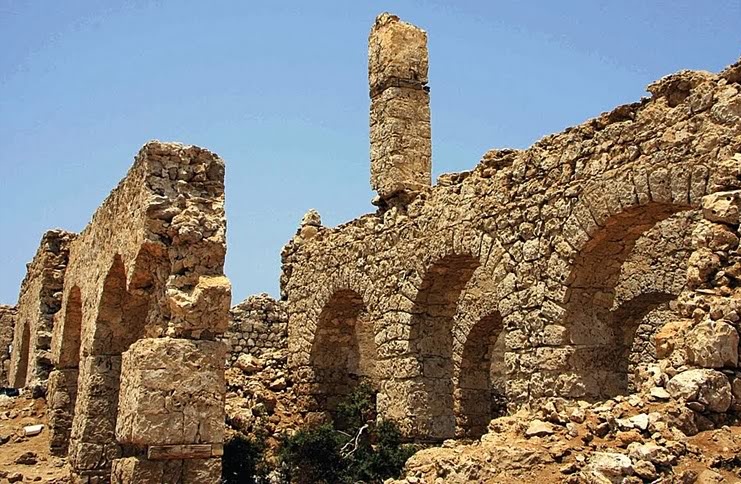
Adal’s most defining struggle was its long rivalry with the Christian Abyssinian Empire (modern day Ethiopia). From the 14th century onward, tensions intensified over frontier territories, trade routes and regional dominance. These confrontations were not isolated border clashes but part of a wider contest for power in the Horn of Africa.
The conflict was not only religious, but religion was not secondary either. Islam and Christianity shaped the political identities, alliances and moral language through which both sides understood their respective struggle. Territory, trade and state power mattered, but so did civilisational identity.
By the early 16th century, this rivalry escalated into full-scale war, transforming the political landscape of the region. At the centre of this storm stood Imam Ahmad ibn Ibrahim al-Ghazi, a leader whose military campaigns would leave a lasting imprint on the history of East Africa.
Imam Ahmad al-Ghazi
Few figures in African medieval history carry the weight and controversy of Imam Ahmad ibn Ibrahim al-Ghazi, widely known as Ahmad Gragn. Rising to prominence in the early 1500s, he transformed Adal from a regional power into a disciplined military force capable of striking at the heart of the Ethiopian Empire.
Imam Ahmad’s achievement was not merely battlefield courage – it was organisation. He mobilised Muslim forces, imposed discipline, exploited regional alliances and used new military technology to devastating effect. His armies benefited from firearms acquired through Ottoman-linked networks, giving Adal a significant tactical advantage during the early stages of the campaign.

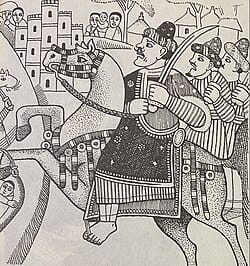
Under his command, Adal launched a sweeping offensive into the Ethiopian highlands. Major cities, fortresses and religious centres fell as his forces advanced, dramatically shifting the balance of power in the Horn. For a time, the Ethiopian Empire appeared vulnerable in a way it had rarely been before.
The campaign was framed in the language of religious struggle, but it was also a war of state expansion, strategic control and regional transformation.
Imam Ahmad’s military success showed that Muslim power in the Horn was not passive or defensive – it was organised, ambitious and capable of challenging one of the oldest Christian empires in the world.
Portugese intervention and the battle for the Horn
The scale of Adal’s victories eventually drew outside powers into the conflict. The Ethiopian Empire secured Portuguese military support, bringing European Christian firepower directly into the Horn of Africa.
This intervention transformed the war into more than a regional confrontation. It became part of a wider struggle over religion, trade and imperial influence across the Red Sea and Indian Ocean worlds. The Portuguese were not neutral military advisers. Their involvement reflected the broader ambitions of a European Christian power seeking influence across Muslim trade routes and strategic maritime zones.
The arrival of Portuguese firearms and battlefield support helped shift the momentum of the war. Ethiopian and Portuguese forces regrouped and launched a counteroffensive against Adal’s armies.
The decisive moment came in 1543 at the Battle of Wayna Daga, where Imam Ahmad was killed in combat. His death broke the military momentum of Adal and marked a turning point in the struggle. The Sultanate did not vanish immediately, but its ability to dominate the region was severely weakened.
Collapse and fragmentation
The long war drained Adal’s resources, disrupted trade and weakened central authority. After Imam Ahmad’s death, the Sultanate struggled to maintain the level of unity and military direction that had allowed it to challenge Ethiopia so forcefully. Internal pressures, regional competition and shifting political conditions gradually eroded Adal’s influence. New centres of power emerged, while the Sultanate’s territorial reach and political authority declined.
Yet Adal’s decline did not erase its significance. Its story was not simply one of defeat because it had reshaped the politics of the Horn, forced the Ethiopian Empire into crisis, drawn Portuguese intervention into the region, and demonstrated the power of Islamic statecraft in medieval East Africa.
The Adal Sultanate’s legacy extended far beyond the battlefield. It played a major role in embedding Islam more deeply into the social, political and urban life of the Horn of Africa. It helped shape cities such as Harar, which would remain one of the most important Islamic centres in East Africa.
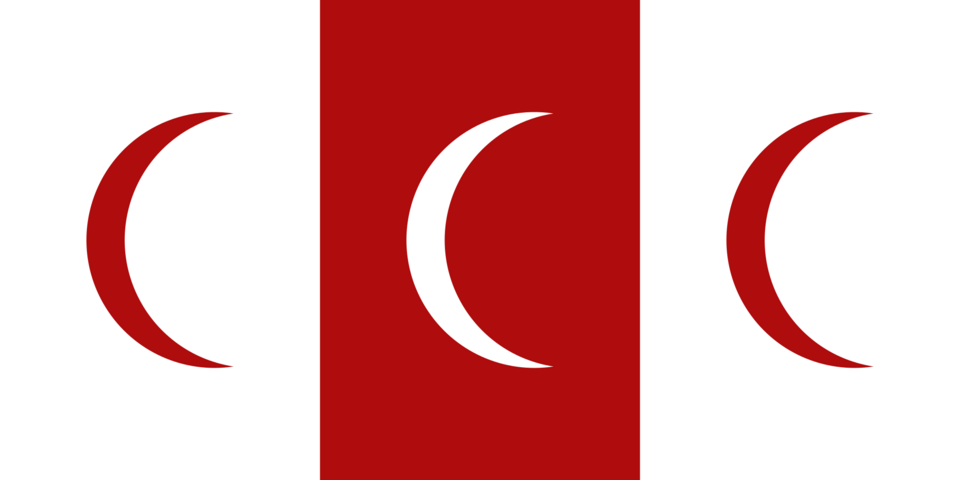
Archaeological and historical studies of stone towns, trade settlements and religious sites linked to Adal reveal a society that was cosmopolitan, organised and deeply connected to the wider Muslim world. Its cultural fabric reflected African, Arab and broader Islamic influences, showing that the Horn was never isolated from global currents of trade, scholarship and politics.
Adal also reflected the diversity of the region. Somali, Afar, Harari and other communities contributed to its political, military and economic structure. It was not a narrow ethnic project, but a wider Islamic formation shaped by multiple peoples who were connected through faith, trade, geography and political necessity.
This is why Adal remains essential to understanding the Horn of Africa. The region was not created by colonial borders. It had already been shaped for centuries by Muslim statecraft, commerce, scholarship, military struggle and civilisational ambition.
The Adal Sultanate was a state that traded across seas, fought empires, produced one of Africa’s most consequential Muslim commanders and stood at the centre of a major regional struggle. Its memory reminds us that Islamic civilisation in Africa was not marginal, weak or peripheral. It was organised, political, martial and deeply connected to the wider Muslim world.
You can read more of One Nation Media’s Islamic civilisation and African history features here.