


As the Horn of Africa becomes an increasingly contested geopolitical battleground, Israel and the UAE are deepening their influence in Somalia and Somaliland through strategic alliances, ports and security agreements, writes Mohammed Kahiye.
The Horn of Africa is rapidly becoming one of the world’s most strategically contested regions, with global and regional powers competing for influence over vital maritime routes, military positioning and political alliances. At the centre of this growing geopolitical struggle is Somaliland, the self-declared northern Somali region whose long-running quest for international recognition has increasingly drawn the attention of Israel and the United Arab Emirates.
As Somaliland marks 35 years since declaring secession from Somalia in 1991, the anniversary came at a particularly sensitive moment after Israel reportedly became the first country to recognise Somaliland as an independent state — a move strongly rejected by Somalia’s federal government and widely opposed across the region.
Somalia continues to receive firm backing for its territorial integrity from the United Nations, African Union, Arab League, Organisation of Islamic Cooperation and the Intergovernmental Authority on Development, all of which continue to recognise Somaliland as part of Somalia.
While Somaliland has spent decades pursuing recognition and has maintained relative stability compared to much of southern Somalia, many observers fear external powers are increasingly exploiting Somalia’s unresolved fragmentation to advance broader geopolitical ambitions.
Israel’s strategic ambitions in the Horn of Africa
On the same day as Somaliland’s anniversary celebrations, Somaliland’s first ambassador to Israel reportedly presented his credentials to Israeli President Isaac Herzog, symbolising what supporters described as a historic new chapter in relations between the two sides. For Israel, however, Somaliland’s importance extends far beyond diplomatic recognition.
The Horn of Africa occupies one of the most strategically valuable positions in the world, overlooking the Bab el-Mandab Strait, a critical maritime chokepoint connecting the Red Sea to the Gulf of Aden and the Indian Ocean. The waterway carries a significant percentage of global trade and has become increasingly militarised amid regional tensions linked to Yemen, Gaza and Red Sea shipping routes.

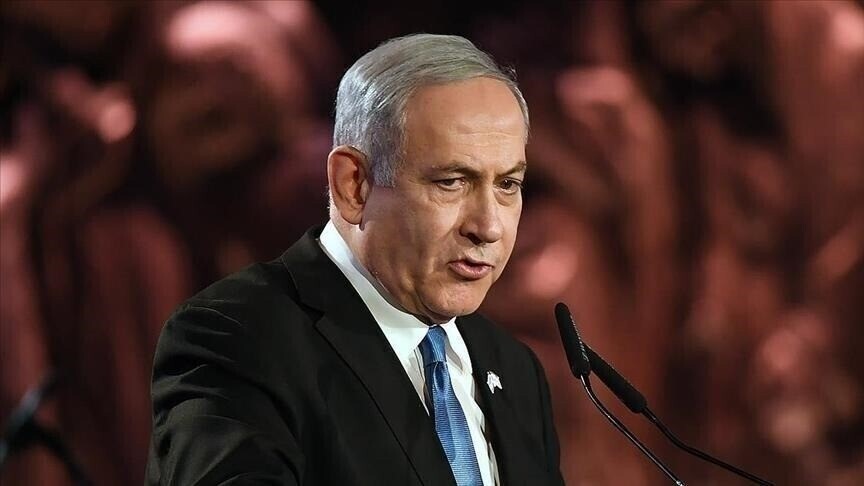
Analysts believe Israel’s growing interest in Somaliland is tied to broader military and intelligence objectives, including countering Yemen’s Houthi movement and expanding its strategic footprint near one of the world’s most important maritime corridors. Critics warn that Somaliland risks becoming entangled in wider regional confrontations, particularly as tensions linked to the Gaza genocide continue to reshape alliances and security calculations across the Middle East and East Africa.
During the anniversary celebrations, Somaliland President Abdirahman Mohamed Abdullahi Irro called on other countries to follow Israel’s example and formally recognise Somaliland as an independent state.
However, many regional governments remain reluctant to support any move they believe could further destabilise Somalia and intensify foreign competition in the Red Sea corridor.
The UAE’s expanding influence across Somalia
For many Somalis, the UAE has played a central role in deepening fragmentation inside Somalia while simultaneously advancing the broader strategic interests of Israel and its regional allies. Long before Israel’s reported recognition of Somaliland, Abu Dhabi had already spent years cultivating close relationships with regional administrations and political actors operating outside the authority of Somalia’s federal government in Mogadishu.
Somaliland, Puntland and Jubaland all developed increasingly close ties with the UAE, particularly through port agreements, security cooperation, infrastructure projects and investment deals. These tensions became even more visible following Ethiopia’s controversial 2024 agreement with Somaliland over sea access, which Somalia condemned as a direct violation of its sovereignty.

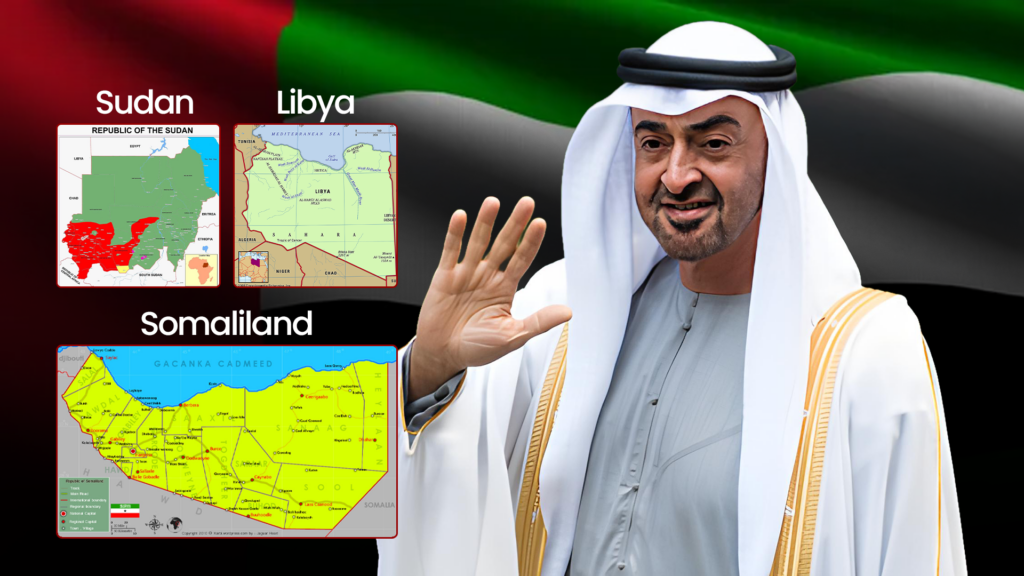
Many Somalis argue that Emirati involvement across Somalia has not simply been commercial, but deeply political. Critics accuse Abu Dhabi of using investment, security partnerships and economic leverage to cultivate local elites whose loyalties increasingly align with foreign interests rather than Somalia’s national priorities.
Over the years, the UAE expanded its footprint across Somalia through port management agreements, airport contracts, mining projects, security cooperation and agricultural investments. Critics argue many of these deals bypassed Somalia’s federal institutions, weakening national sovereignty while increasing foreign influence over strategic infrastructure and natural resources.
Berbera, Bosaso and the militarisation of Somali ports
In Puntland’s commercial city of Bosaso, Emirati companies assumed control over major port and airport development projects. While supporters promoted the agreements as economic development initiatives, critics argue they delivered limited transformation for ordinary communities and instead served broader geopolitical and logistical interests connected to regional conflicts, including Sudan.
Meanwhile, in Somaliland’s port city of Berbera, UAE-backed infrastructure projects attracted growing international attention amid reports and commentary surrounding the port’s possible military and intelligence value. Israeli commentators openly discussed the strategic importance of Berbera in countering Houthi operations in Yemen and expanding influence across the Red Sea corridor.
Critics warn that such ambitions risk dragging the Horn of Africa deeper into the geopolitical conflicts of the Middle East.
In southern Somalia, particularly the port city of Kismayo, Emirati influence also generated controversy. Abu Dhabi expanded agricultural investments and reportedly supported local security structures designed to protect its interests.
Many Somalis believe these dynamics contributed to recurring political crises and tensions between Somalia’s federal government and regional administrations. Ongoing disputes involving President Hassan Sheikh Mohamud, constitutional reforms and election models are viewed by some observers as part of a broader pattern of external interference and internal fragmentation.
Somalia’s pivot towards Turkiye and Muslim allies
As Israeli and Emirati influence expanded across the Horn of Africa, Somalia increasingly strengthened relations with countries seen as alternative regional partners, particularly Türkiye, Egypt and Pakistan.
The strategic agreements signed between Somalia and Türkiye include a ten-year defence and economic cooperation framework involving naval development, coast guard training, energy exploration and wider security coordination. Reports surrounding possible aerospace and satellite cooperation have further increased Somalia’s strategic significance.

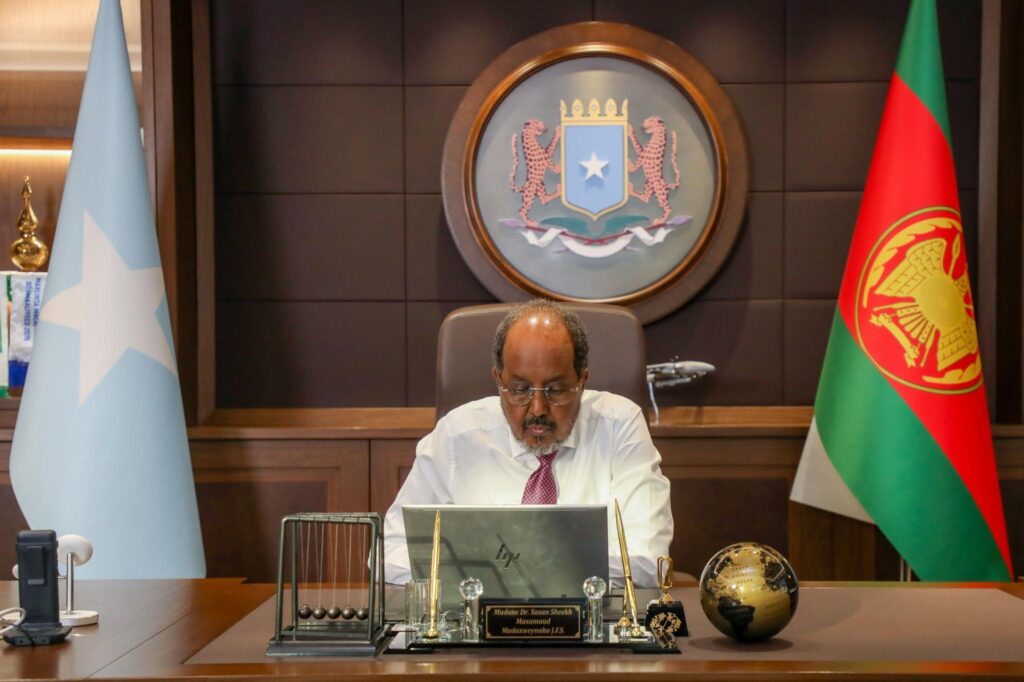
Egypt has also deepened ties with Somalia through defence agreements and participation in stabilisation missions, while Pakistan has expanded military and technical cooperation, including pilot training and institutional support.
Somalia’s long coastline and proximity to one of the world’s busiest maritime corridors have transformed the country into an increasingly important geopolitical battleground.
What was once viewed primarily as a domestic Somali political dispute now sits at the intersection of Red Sea militarisation, Gulf rivalries, Israeli expansionism, African security and the wider fallout from the Gaza genocide.
For many across the Muslim world, the growing Israeli and Emirati presence in the Horn of Africa is not simply about trade or investment, but part of a broader struggle for strategic dominance over critical Muslim lands and maritime routes.
As global powers continue competing for influence across the region, Somalia’s fragmentation risks becoming yet another opening through which foreign actors project power, deepen instability and reshape the political future of the Horn of Africa.
Mohammed Kahiye is a freelance journalist based in Mogadishu, Somalia.
Read The New Scramble for Africa by Nontobeko Hlela.