


As Muslims around the world mark Eid al-Fitr, the end of Ramadan is being observed under vastly different circumstances — from devastation in Gaza to vibrant markets in Iran and public celebrations in Afghanistan and the Gulf.
Gaza: Marking Eid Through Loss and Survival
In Gaza, Eid is unfolding under the weight of destruction.

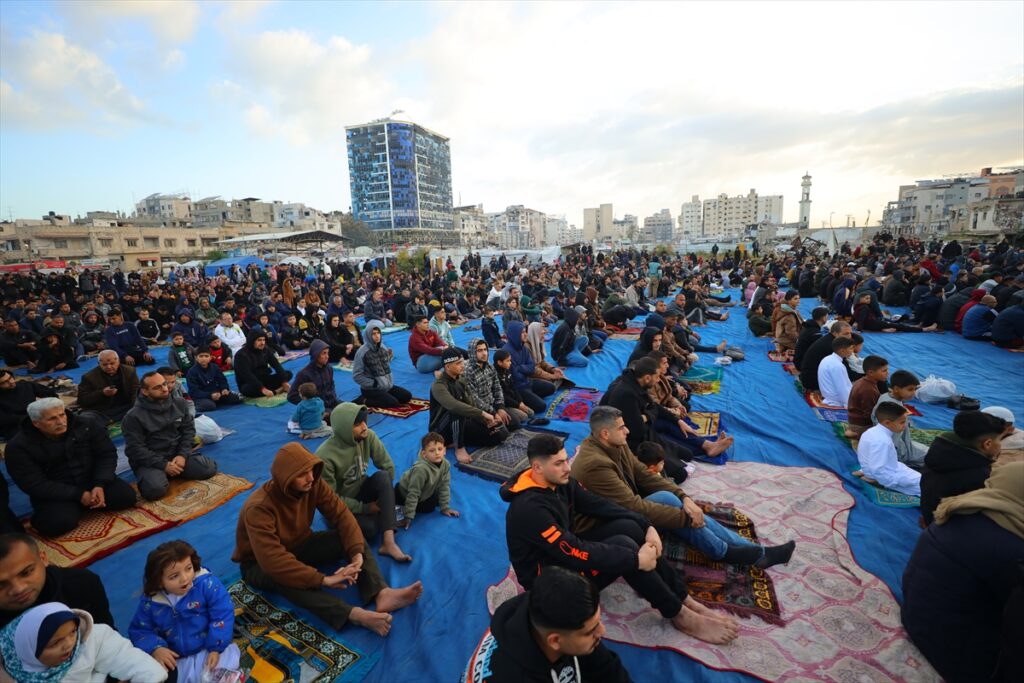
Families are attempting to observe the end of Ramadan while facing severe shortages, displacement, and the ongoing effects of Israel’s military campaign and blockade. In places like Khan Younis, temporary markets have sprung up between collapsed buildings, where people search for basic goods they can barely afford.
Despite a ceasefire announced in October 2025, conditions on the ground have not meaningfully improved. Aid remains restricted, and essential supplies from food to shelter materials are still limited.
This is now the third consecutive Ramadan under these conditions. Traditions that once defined Eid, such as new clothes, shared meals, and festive visits, have largely been replaced by uncertainty and survival.
With nearly 1.9 million people displaced, many living in worn tents or overcrowded shelters, Eid in Gaza is no longer about celebration, but endurance.
Iran: A Rare Moment of Dual Celebration
In Iran, the mood is busier, more layered.
In Tehran, large crowds gathered at Tajrish Bazaar in the lead-up to Eid, which this year coincides with Nowruz, the Persian New Year. The overlap has created a unique atmosphere, blending religious observance with long-standing cultural traditions.
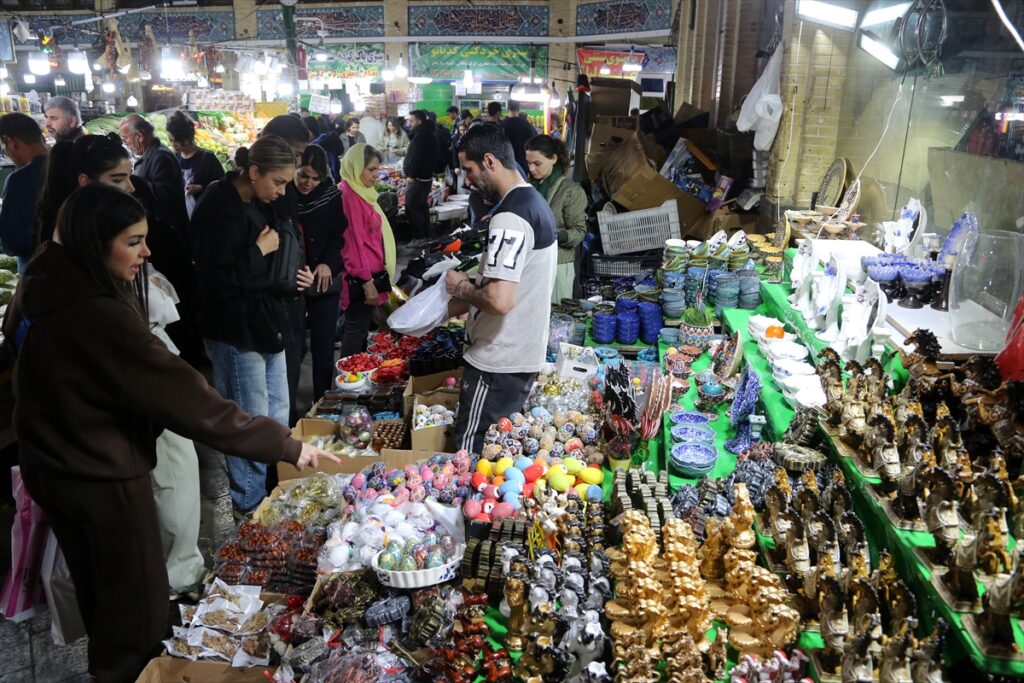
Shoppers filled the market buying sweets, clothing, gifts, and decorative items. Many also prepared the traditional Haft Sin display – a symbolic arrangement representing renewal and hope.
Nowruz, which marks the arrival of spring, carries themes of rebirth and fresh beginnings – ideas that sit naturally alongside Eid’s message of reflection and gratitude.
But even as markets remain lively, the backdrop is tense. The region has seen a sharp escalation in conflict since late February, with Iran caught in ongoing military exchanges involving the United States and Israel.
Afghanistan: Joy, With Caution
In Afghanistan, Eid began with visible excitement.
In Nangarhar province, families gathered in large numbers at parks and public spaces following the official moon sighting announcement. Children played on rides, and communities came together in celebration after a month of fasting.
The scenes reflected a sense of relief and normalcy, even if temporary.
However, celebrations took place under tight security, a reminder of the country’s fragile environment. Even in moments of joy, caution remains part of daily life.
The Gulf: Celebration Without Constraint
Across Gulf countries, Eid has been marked with its usual sense of festivity.
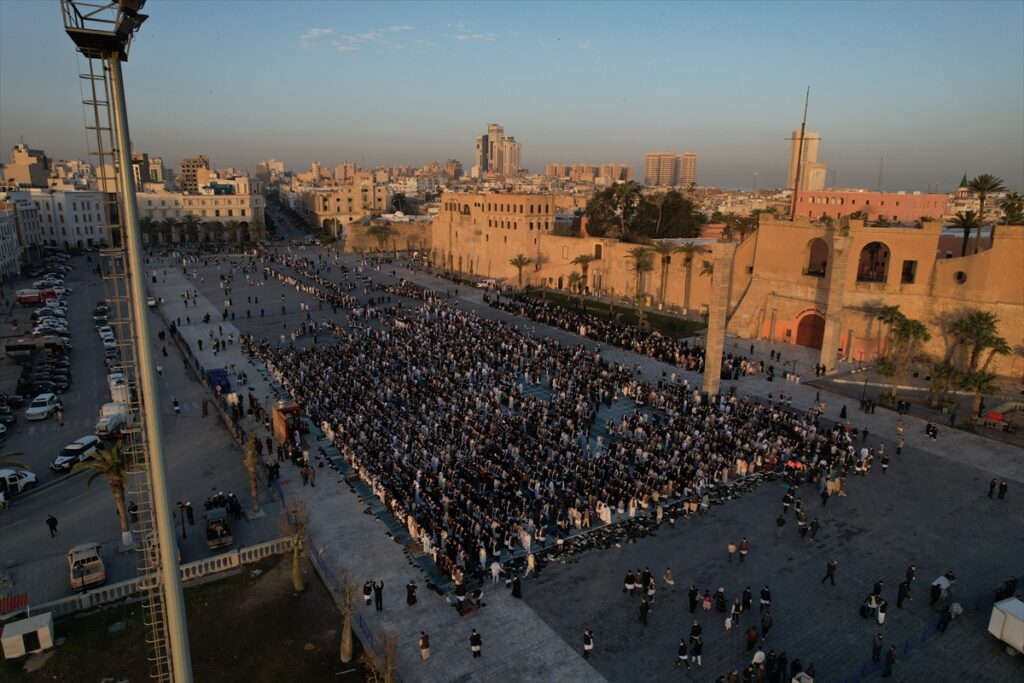
Cities are lit up, shopping centres are filled, and families are preparing for large gatherings and meals. Compared to conflict-affected regions, celebrations here continue largely uninterrupted – highlighting the contrast in lived realities across the Muslim world.
One Eid, Many Realities
Eid is meant to be a time of joy, generosity, and togetherness. But this year, like the last, it also reflects a divided reality.
In Gaza, it is about survival. In Iran, it is layered with culture and tension. In Afghanistan, it is joyful but cautious. And in the Gulf, it continues in comfort.
Different circumstances, same faith – and a reminder of how unequal the world can be, even on its most sacred days.
